
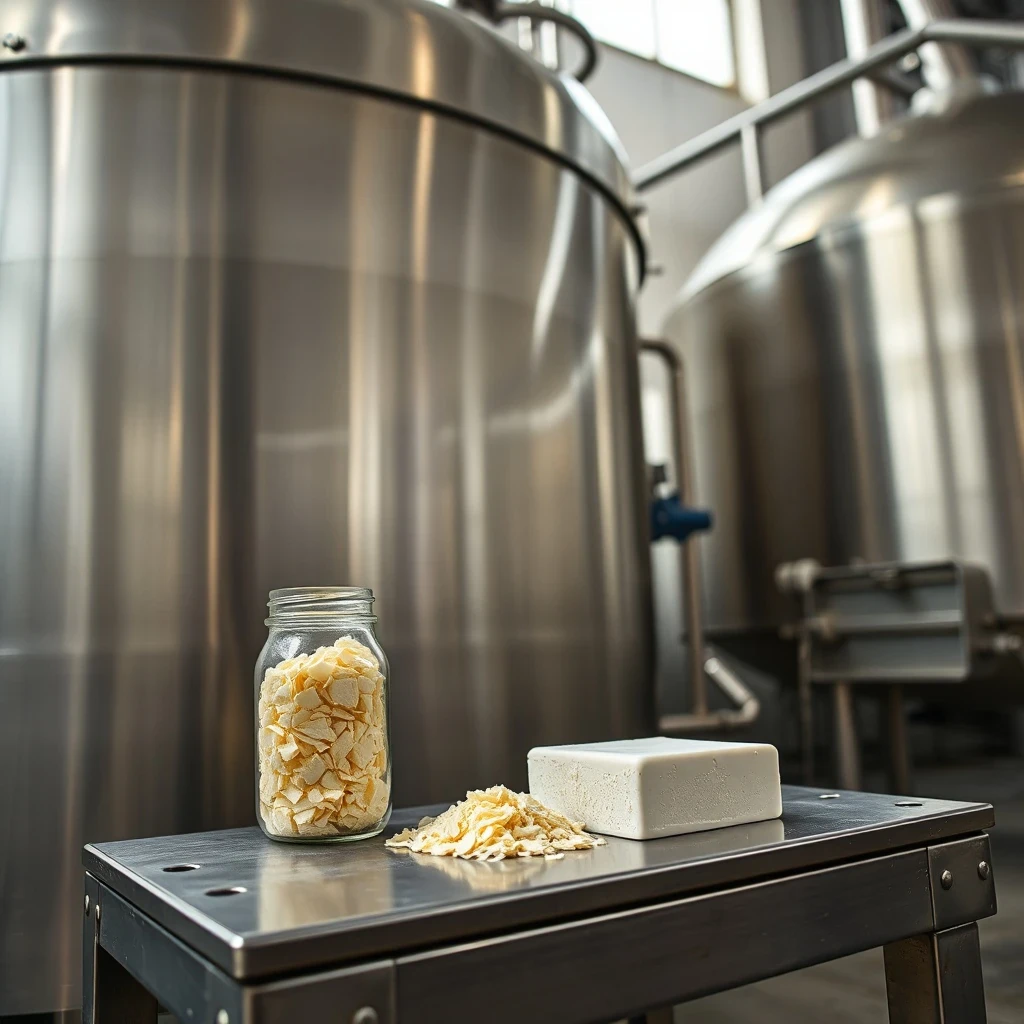
Industrial buyers choosing a hard fat often narrow the field to two very different options: palm stearin, the solid fraction of refined palm oil, and tallow, the rendered fat from animal processing. Both deliver the firm texture and melting profile that margarines, shortenings, frying fats, and specialty fats require, but they arrive at that function through different supply chains and with different trade-offs.
Supply and cost dynamics
Palm stearin is a vegetable fat produced in large volumes in Southeast Asia, with output closely tied to the palm oil refining industry. Its price tends to track crude palm oil and is influenced by weather, planting cycles, and biodiesel demand. Tallow is a by-product of the meat industry, so its availability depends on livestock slaughter rates and rendering capacity. In many markets, tallow has historically traded at a discount to palm stearin, but that gap narrows when meat demand is weak or when biofuel mandates pull tallow into renewable diesel feedstocks. Buyers should watch both vegetable oil and animal protein markets, as they are increasingly linked through energy policy.
Functional properties
Palm stearin is highly versatile because its iodine value can be adjusted during fractionation, giving formulators a range of melting points and solid fat contents. It is neutral in flavor and color, which suits products where a clean taste is essential. Tallow offers a distinct beefy note and a steep melting curve, which can be an advantage in traditional frying applications but a drawback in neutral-tasting consumer goods. Tallow also tends to have better oxidative stability in some frying conditions, though both fats require proper refining and antioxidant management.
Application fit
In bakery shortenings and puff pastry, palm stearin is often preferred for its consistent plasticity and lack of animal-derived connotations. Tallow remains a staple in institutional frying, certain biscuit fillings, and industrial pastry where its flavor profile is either acceptable or desired. Plant-based and halal-certified product lines generally rule out tallow, pushing those formulators toward palm stearin or other vegetable hard stocks. Conversely, operations seeking a low-cost, high-stability frying medium with a familiar taste may find tallow more economical.
Sustainability and regulatory context
Palm stearin faces scrutiny over deforestation and peatland conversion, though certified sustainable palm oil programs offer traceability options. Tallow avoids land-use concerns but raises animal-welfare and religious dietary questions, and its carbon footprint depends on livestock production systems. Regulations on trans fats have pushed both fats into re-formulation, as partially hydrogenated oils are phased out, making these natural hard fats more relevant.
Practical note for buyers
Choose palm stearin when you need a neutral, adjustable hard fat for consumer-facing products or when plant-based and religious certifications matter. Choose tallow when cost is the priority, the flavor is compatible, and your supply chain can tolerate animal-derived inputs. In many cases, blending the two can optimize both cost and function, so trial work with your supplier is advisable before committing to a single source.