Indonesia B50 Launch Reshapes Palm Oil Supply-Demand Balance
New biodiesel mandate lifts domestic demand as Malaysia holds duty steady; compliance buyers eye feedstock availability

Futures slip as rival oils soften; Indonesia’s B50 mandate and India’s import slump reshape demand signals.

Palm oil futures edged lower on 16 July, tracking losses in rival edible oils amid tepid market sentiment. The decline came despite a crude oil rally that had briefly supported vegetable oil prices earlier in the week. Traders noted that the market lacked fresh bullish catalysts, with buying interest subdued across the board.
Indonesia’s launch of the B50 biodiesel programme, confirmed by multiple reports, is expected to redirect a significant portion of domestic crude palm oil (CPO) supply toward fuel blending. Industry officials stated that current CPO output can support the mandate this year, though higher production will be needed in the medium term. The policy could reduce export availability and tighten global palm oil supplies, but it also risks diverting revenue away from overseas sales.
India, the world’s largest vegetable oil importer, saw a sharp 29-30% year-on-year drop in June imports, driven by lower palm and soybean oil purchases. The decline was attributed to a narrowing discount of palm oil to soft oils, which reduced its competitive edge. Over the eight months to June, however, total edible oil imports still rose 7%, with palm oil’s share climbing to 48%.
Malaysia raised its August crude palm oil reference price while keeping the export duty unchanged at 10%. This adjustment reflects ongoing price support from stronger crude oil and soybean oil markets earlier in the week. Meanwhile, Thailand’s tightening of palm oil exports is reshaping regional supply flows, potentially benefiting Malaysian exporters.
A pricing notice from Fastmarkets proposed discontinuing the palm oil RBD FOB US West Coast assessment and amending the US Gulf methodology, indicating shifting trade patterns and liquidity in North American markets.
The interplay between Indonesia’s B50 mandate, India’s import slowdown, and volatile crude oil prices will dominate near-term price direction. Buyers should monitor whether the biodiesel policy materially reduces export volumes and how India’s demand recovers in the coming months.
Sources: Finimize; Business Recorder; UkrAgroConsult; BioEnergy Times; TradingView; RuralVoice
New biodiesel mandate lifts domestic demand as Malaysia holds duty steady; compliance buyers eye feedstock availability
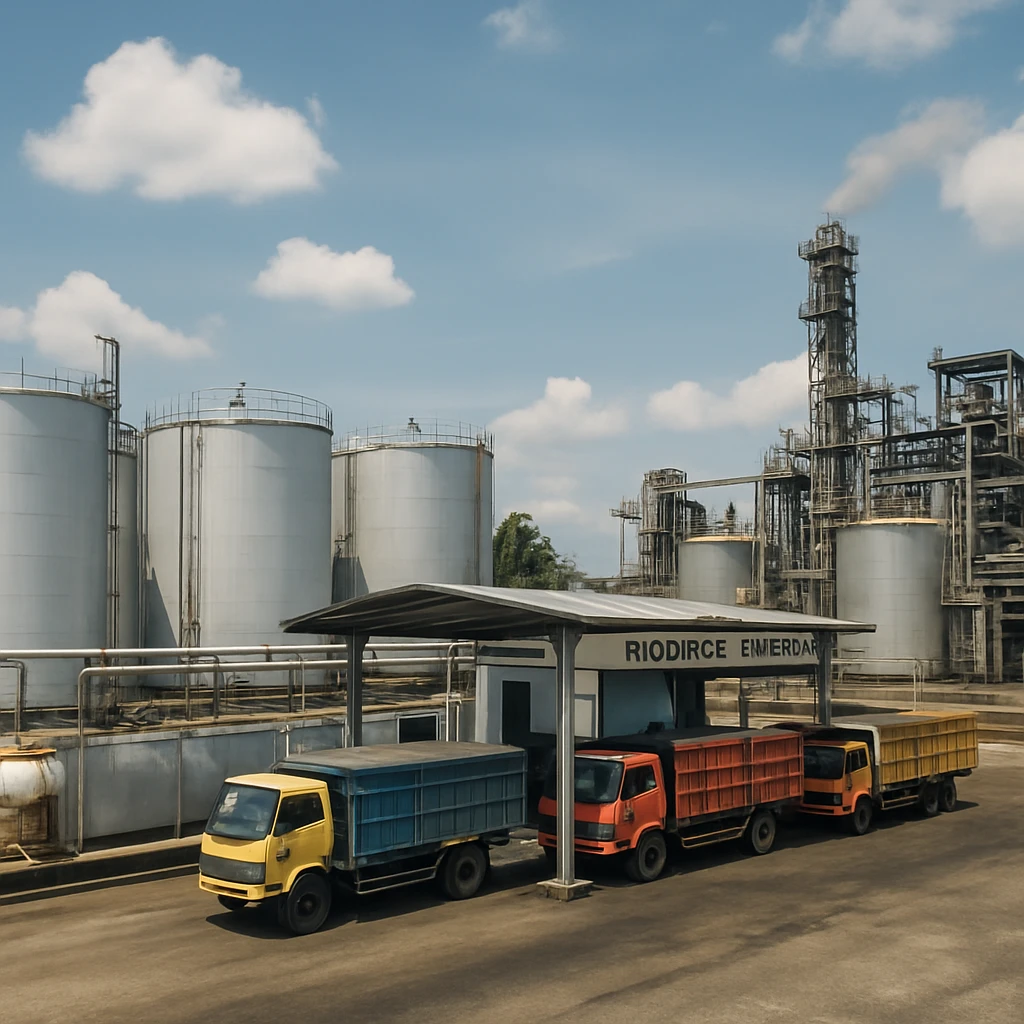
Indonesia’s formal launch of the B50 biodiesel programme on July 14 marks a structural shift in palm oil demand, with the government stating that current crude palm oil supply can support the mandate this year but that higher output will be needed ahead.
The B50 mandate requires a 50% palm oil blend in biodiesel, up from the previous B35 level. Analysts estimate the policy could divert up to $2.7 billion in export-grade palm oil to domestic fuel consumption, tightening global availability. The Jakarta Post reported that the programme is already lifting palm oil demand, while energynews.pro flagged the revenue risk for exporters.
Indonesian farmers have voiced worries about the mandate’s impact on their operations, according to the Jakarta Globe. The government acknowledges that while CPO supply is adequate for 2026, production must ramp up to sustain B50 in the medium term. This creates a delicate balance: higher domestic absorption may reduce exportable surpluses, supporting global prices but squeezing margins for producers who rely on export markets.
Malaysia raised its August crude palm oil reference price but kept the export duty unchanged at 10%, a move that keeps its palm oil competitive relative to Indonesian supplies facing higher domestic diversion. Some analysts suggest Malaysia’s sector could benefit if Indonesian exports shrink, as reported by mediaselangor.com.
For compliance-minded buyers, the B50 rollout reinforces the need to secure long-term supply contracts and monitor Indonesian policy shifts. The programme’s success hinges on feedstock availability and global oil prices, which have tested biofuel economics after recent crude price declines. Buyers should expect tighter CPO availability from Indonesia, potential price premiums for certified sustainable palm oil, and increased volatility as the mandate’s implementation unfolds.
The policy underscores a broader trend: major palm oil producers are prioritising domestic energy security over export maximisation, reshaping trade flows and risk profiles for global buyers.
A practical guide to the due diligence and documentation requirements for placing palm oil on the EU market
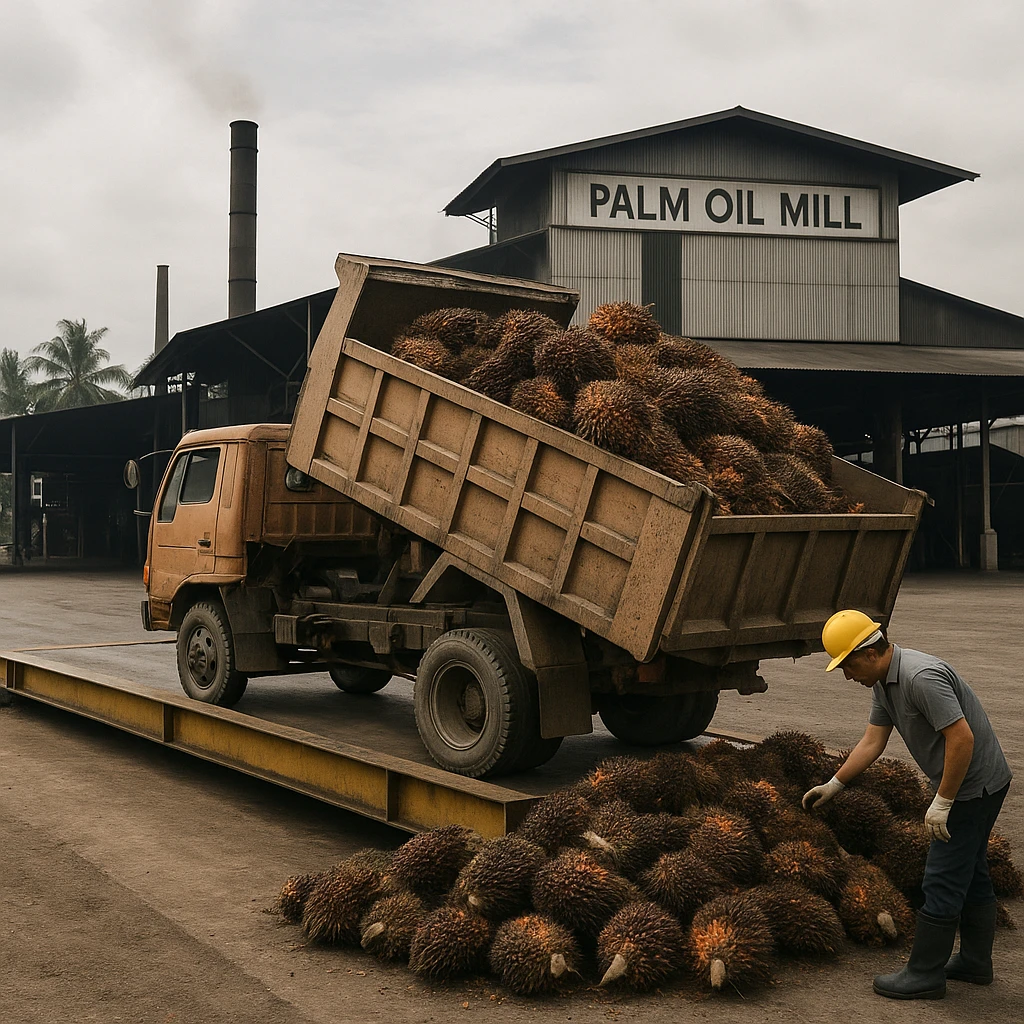
The European Union Deforestation Regulation (EUDR) sets mandatory due diligence rules for companies placing palm oil and other commodities on the EU market. Unlike earlier voluntary schemes, the EUDR is a legal requirement with enforcement and penalties.
Importers must prove three things for each shipment: the product is deforestation-free, it was produced in compliance with relevant local laws, and a due diligence statement has been filed.
Deforestation-free means the palm oil was produced on land that has not been subject to deforestation after 31 December 2020. This includes both legal and illegal deforestation. The definition also covers forest degradation.
Legal compliance requires verification that the producer adhered to all applicable laws in the country of production, including land-use rights, labour rights, environmental protection, and tax rules.
Importers must collect information, assess risk, and take mitigation steps. The process has three steps:
Geolocation is the cornerstone of the regulation. Each shipment must be traceable back to the individual plots of land. This requires a chain of custody system that links the crude palm oil or processed fractions to specific plantations.
Smallholder inclusion remains a practical challenge. Many smallholders lack formal land titles or the ability to provide precise coordinates. Importers must work with suppliers to map smallholder plots and establish traceability systems.
A due diligence statement must be submitted to the competent authority in the EU member state of first entry. The statement confirms that the product complies with the regulation and includes all supporting evidence. Statements are valid for a limited period and must be renewed.
Penalties vary by member state but can include fines proportional to the environmental damage, confiscation of products, temporary suspension of market access, and exclusion from public procurement. Repeat offenders may face criminal liability.
Procurement managers should:
The EUDR represents a shift from voluntary certification to mandatory legal compliance. Importers who build robust traceability and documentation systems will be best positioned to maintain market access.
This space reaches palm oil buyers, traders and industry readers every day. Sponsorship and advertising enquiries are welcome — get in touch:
[email protected]New biodiesel mandate lifts domestic demand as Malaysia holds duty steady; compliance buyers eye feedstock availability
A practical guide to the due diligence and documentation requirements for placing palm oil on the EU market
Futures slip as rival oils soften; Indonesia’s B50 mandate and India’s import slump reshape demand signals.
Palm oil futures edged lower on 16 July, tracking losses in rival edible oils amid tepid market sentiment. The decline came despite a crude oil rally that had briefly supported vegetable oil prices earlier in the week. Traders noted that the market lacked fresh bullish catalysts, with buying interest subdued across the board.
Indonesia’s launch of the B50 biodiesel programme, confirmed by multiple reports, is expected to redirect a significant portion of domestic crude palm oil (CPO) supply toward fuel blending. Industry officials stated that current CPO output can support the mandate this year, though higher production will be needed in the medium term. The policy could reduce export availability and tighten global palm oil supplies, but it also risks diverting revenue away from overseas sales.
India, the world’s largest vegetable oil importer, saw a sharp 29-30% year-on-year drop in June imports, driven by lower palm and soybean oil purchases. The decline was attributed to a narrowing discount of palm oil to soft oils, which reduced its competitive edge. Over the eight months to June, however, total edible oil imports still rose 7%, with palm oil’s share climbing to 48%.
Malaysia raised its August crude palm oil reference price while keeping the export duty unchanged at 10%. This adjustment reflects ongoing price support from stronger crude oil and soybean oil markets earlier in the week. Meanwhile, Thailand’s tightening of palm oil exports is reshaping regional supply flows, potentially benefiting Malaysian exporters.
A pricing notice from Fastmarkets proposed discontinuing the palm oil RBD FOB US West Coast assessment and amending the US Gulf methodology, indicating shifting trade patterns and liquidity in North American markets.
The interplay between Indonesia’s B50 mandate, India’s import slowdown, and volatile crude oil prices will dominate near-term price direction. Buyers should monitor whether the biodiesel policy materially reduces export volumes and how India’s demand recovers in the coming months.