
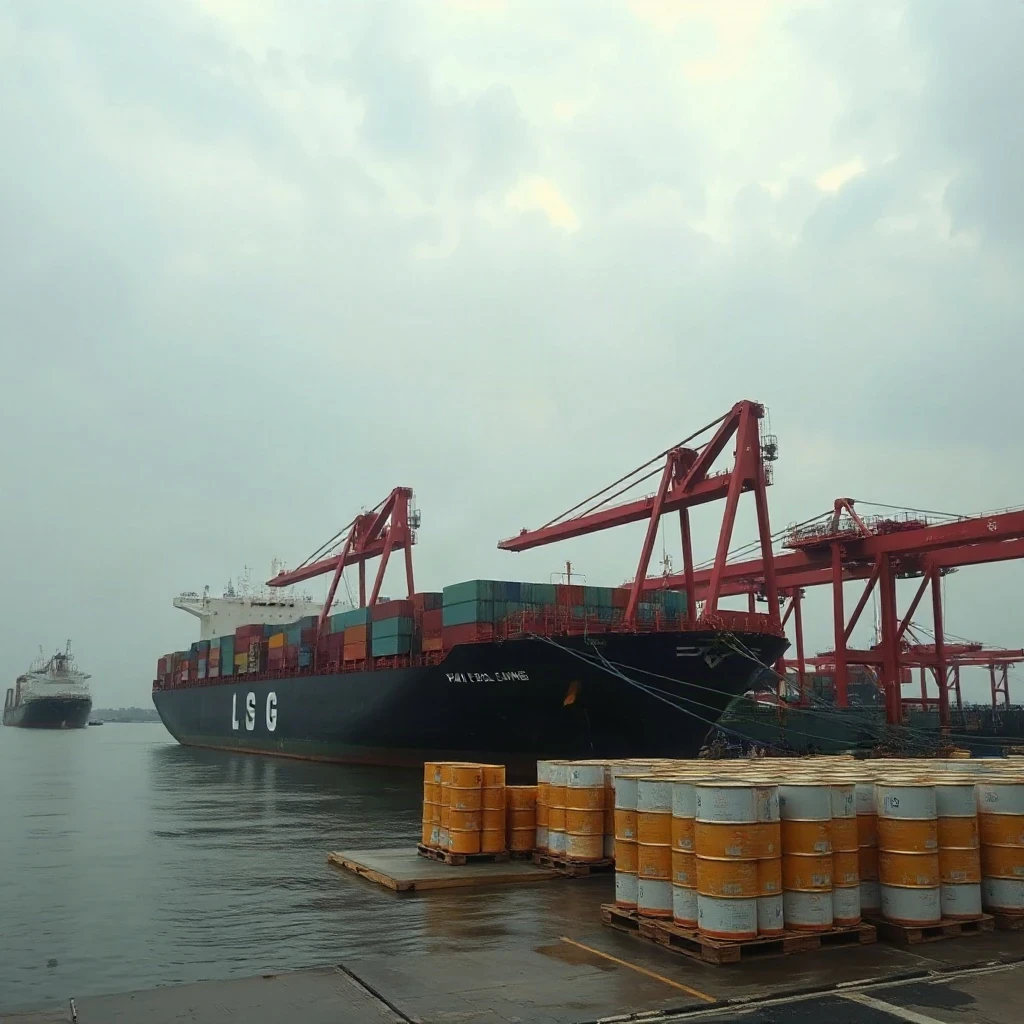
China's palm oil import framework rests on three interacting layers: tariff treatment, state reserves, and the Dalian futures market. For exporters and buyers, understanding how each layer is structured matters more than tracking any single headline figure.
Tariff treatment
China applies a most-favoured-nation tariff to palm oil, with separate lines for crude and refined grades. The gap between the two is the main policy lever: a wider spread favours crude imports for domestic refining, while a narrower spread makes refined product more competitive. Under trade agreements, preferential rates can apply to specific origins, but eligibility depends on rules of origin and documentation. The structure is what to watch - not today's rate, which can be adjusted.
State reserves
State reserves act as a buffer. When reserves are built, additional buying can tighten available supply; when they are released, extra volume can weigh on prices. Reserve operations are not routine and are typically announced with little advance notice. For importers, the key is that reserve activity can override normal commercial signals for short periods.
Dalian futures
The Dalian Commodity Exchange lists palm oil futures, priced in yuan per tonne. These contracts give Chinese buyers a transparent reference for forward pricing and a tool to hedge. Import decisions often reference the Dalian price against the landed cost of foreign origin. When the spread between domestic futures and import parity is wide enough, buying interest tends to rise; when it narrows, buyers may wait. The exchange also publishes deliverable grades and quality standards, which influence which origins and specifications are most tradable.
What would have to change
A shift in the picture would require a change in at least one of the three layers. On tariffs, a change in the crude-refined spread or in preferential eligibility would alter the mix of what is imported. On reserves, a sustained programme of buying or releasing would change the effective supply-demand balance. On futures, a change in contract specifications, delivery rules or participation would alter how closely the Dalian price tracks import parity.
Signals to watch first
The earliest signals are usually procedural. Customs notices on tariff classification, updates to reserve announcements, and exchange notices on contract terms are all published before any change shows up in trade flows. For exporters and buyers, these are the leading indicators.
Practical consequence
For documentation, importers should ensure certificates of origin and grade specifications match the tariff line claimed, especially where preferential treatment is sought. For specification, the deliverable grades on Dalian set a de facto quality benchmark that can influence which origins are easiest to sell. For cost, the interplay of tariff spread, reserve activity and futures parity determines the effective import price - and that is what ultimately shapes buying decisions. ---
*This article reflects the position as of 15 September 2026. Duty structures, levies and mandates change often, sometimes at short notice. Please verify the current position, and any changes made after this date, before relying on it.*