
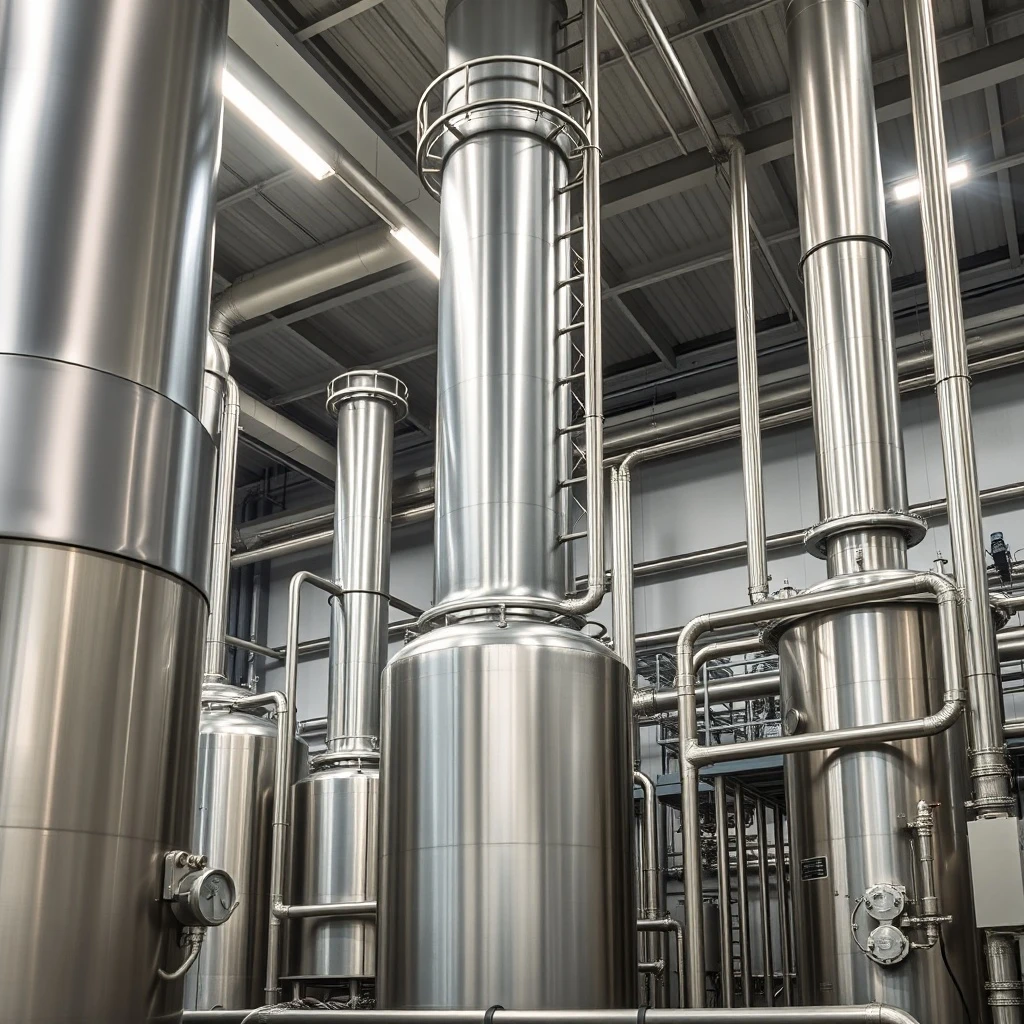
Palm oil is naturally semi-solid at room temperature because it contains a mix of triglycerides with different melting points. Fractionation separates these into distinct products without any chemical change. This process matters to buyers because the two main outputs—palm olein and palm stearin—behave very differently in storage, transport, and final applications.
What fractionation does
Fractionation starts with refined, bleached, and deodorized (RBD) palm oil. The oil is cooled in a controlled way so that higher-melting triglycerides crystallize. A filter press then separates the solid crystals from the remaining liquid. The liquid portion is palm olein; the solid portion is palm stearin. No solvents or chemical reactions are used. A second fractionation step can split these further into super olein (more liquid) and a harder stearin or palm mid fraction.
Key differences
- Palm olein is the liquid fraction. It has a lower cloud point and stays clear in warm climates, though it may cloud or solidify in cool storage. It is widely used for frying, cooking oil blends, and liquid shortenings.
- Palm stearin is the solid fraction. It has a higher slip melting point, typically in the range of about 44–56°C depending on grade. It provides hardness and structure, making it useful for margarines, shortenings, vanaspati, and some non-food applications.
Roughly, a single fractionation of RBD palm oil yields about 70–80% olein and 20–30% stearin by weight, but this ratio can be adjusted. Olein usually has an iodine value of about 56–60, while stearin has an iodine value of about 35–48. These numbers are useful shorthand for the degree of unsaturation and melting behavior.
Why buyers should care
The choice between olein and stearin is not just about product specification. It affects total cost of ownership.
- Storage and handling: Olein may remain pumpable without heating in tropical ambient conditions, but in temperate climates it often needs tank heating or insulation. Stearin is solid at room temperature and almost always requires heated tanks, traced lines, and temperature-controlled transport.
- End-use performance: A frying operation needs olein for clarity and resistance to gumming at moderate temperatures, while a bakery fat needs the solid profile of stearin. Blending olein and stearin can produce intermediate textures, but it must be done before specification is fixed.
- Contract specifications: Buyers should specify iodine value, cloud point (for olein) or slip melting point (for stearin), free fatty acid content, moisture, and whether the material is RBD. Double-fractionated super olein offers better cold stability but may come at a different cost structure.
Procurement teams new to palm products often assume “palm oil” is one commodity. Understanding that fractionation creates a family of products with distinct physical properties helps avoid ordering the wrong grade, paying for unnecessary heating, or reformulating after delivery.