
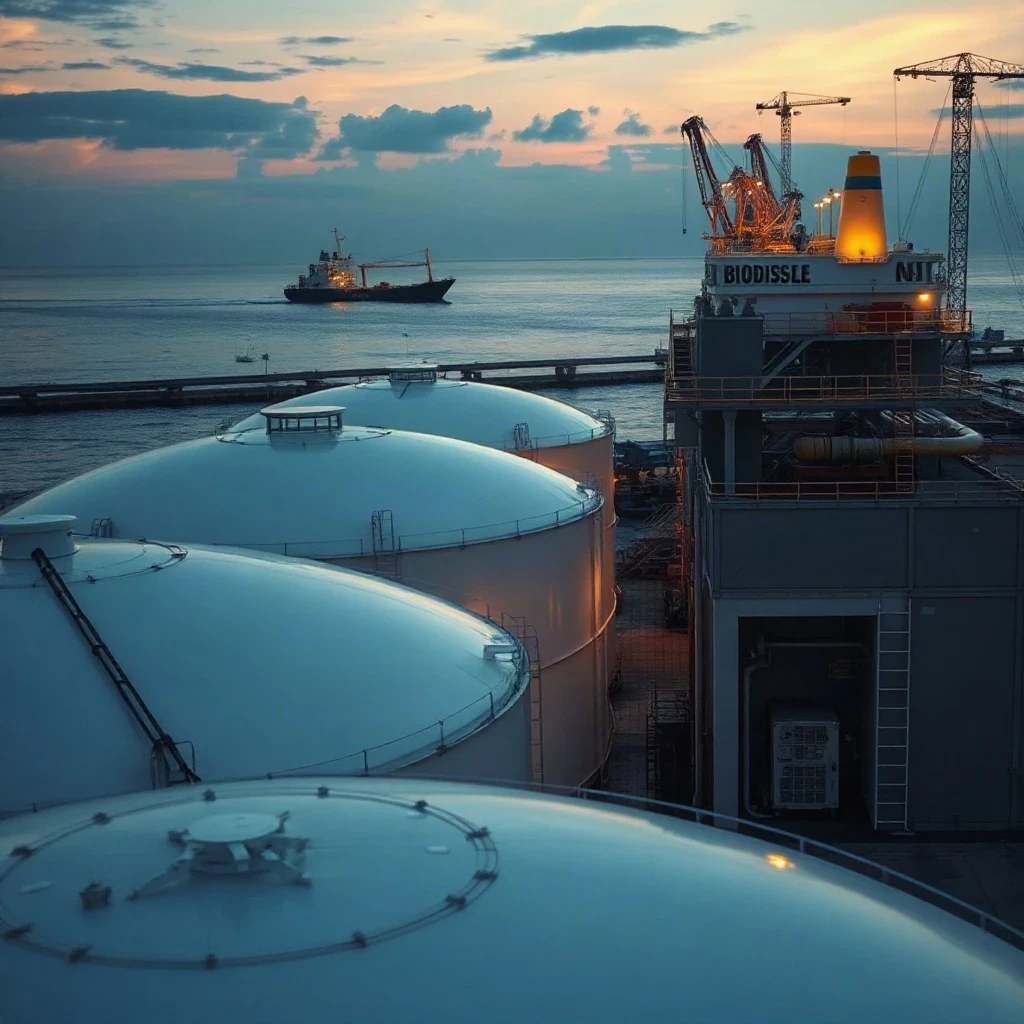
Indonesia's biodiesel programme is moving toward full implementation, with state energy company Pertamina reporting that B50 distribution has reached 95% of its targeted volumes and aiming for complete coverage by the end of September. The mandate, which raises the palm-oil-derived biodiesel blend from B40 to B50, represents a structural shift in domestic consumption of palm oil in the world's largest producer.
Demand-Side Implications
The scale of the programme matters for global balances. Indonesian authorities have indicated the B50 rollout is expected to cut diesel imports substantially, with reported savings of around IDR 170 trillion. That figure reflects the substitution of imported fossil diesel with domestically produced fatty acid methyl ester, the bulk of which is derived from palm oil.
For the palm oil market, the key mechanic is straightforward: higher domestic blending obligations absorb CPO volumes that would otherwise be available for export. When a producer country of Indonesia's size lifts its blend rate, the effect is a reduction in exportable surplus, which tightens the pool available to price-sensitive buyers in India, China, the EU and elsewhere.
Price Support and Compliance Considerations
Industry commentary has framed the B50 mandate as a factor likely to support palm oil prices through 2027, and the policy has drawn attention as a template for other producing nations considering higher biofuel blending. For compliance-minded buyers, the practical considerations are twofold.
- Supply allocation: Export availability may be less predictable as domestic absorption rises, particularly during periods of peak production or when biodiesel economics are favourable.
- Certification and traceability: Buyers subject to sustainability requirements will need to monitor how Indonesian domestic mandate volumes interact with certified sustainable supply chains, since an increasing share of national output may be directed to the domestic energy market.
Market Context
The Malaysian crude palm oil benchmark traded at about $1,128 per tonne, while the World Bank global palm oil benchmark stood near $1,117 per tonne and Indonesia's Kemendag reference was about $1,008 per tonne. Brent crude at about $108 per barrel underpins biodiesel blending economics, keeping the spread between palm oil and gasoil attractive for mandate-driven demand.
Malaysian Palm Oil Board data for August showed closing stocks rising 15.2% month-on-month to 1,645,570 tonnes, with production up 1.4% at 1,817,499 tonnes and exports down 7.5% at 1,294,664 tonnes. That stock build and seasonal peak output are near-term bearish factors, though the B50 ramp-up, wide biodiesel spread and a weaker ringgit at about 4.07 per dollar cap the downside.
Our model outlook expects choppy consolidation with a slight downward bias, with high uncertainty given missing cargo surveyor, Bursa FCPO and Dalian data.