
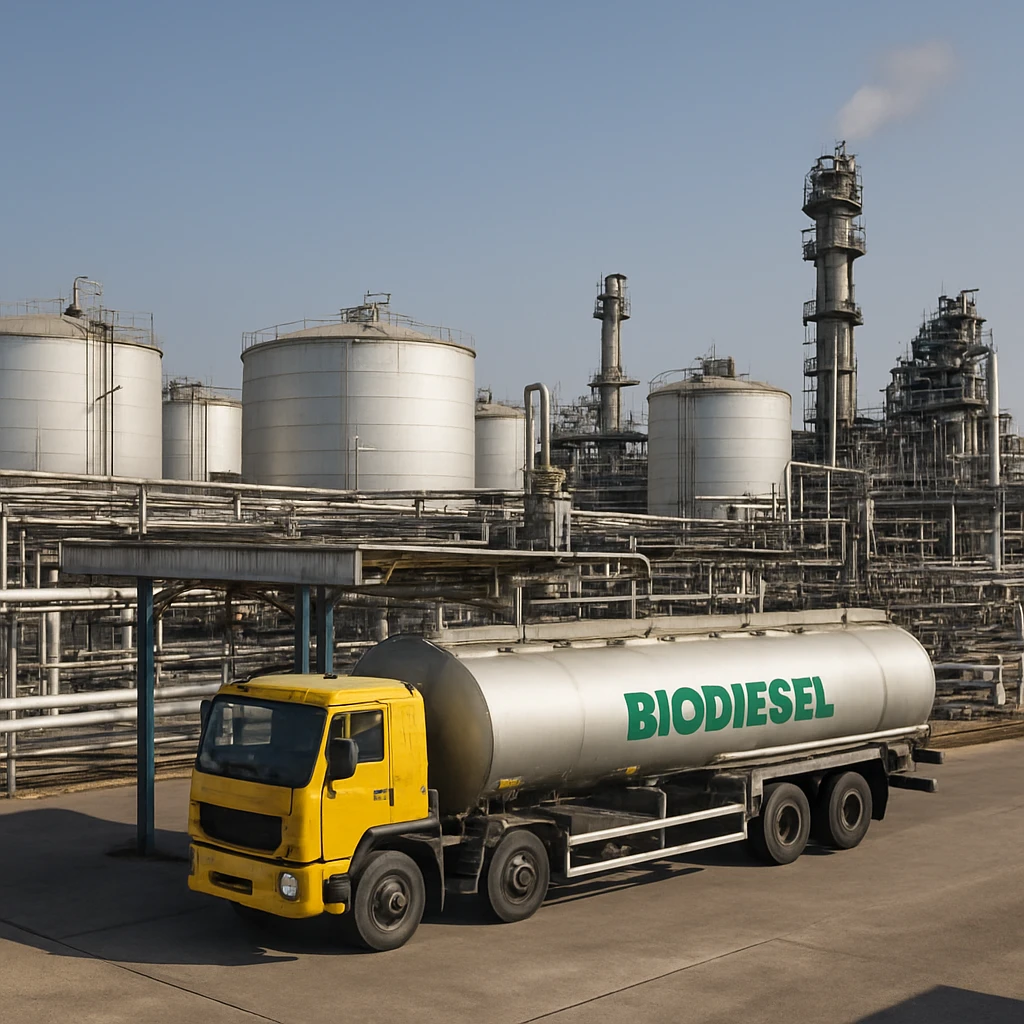
Indonesia’s biodiesel mandate is moving into a new operational phase. State energy firm Pertamina has set a target for B50 distribution to reach 100 percent by the end of September, according to local reports. This signals that a 50 percent palm-based biodiesel blend is becoming the usual standard rather than a pilot project. The timing matters for palm oil balances because fuel blending competes directly with food and oleochemical demand for the same feedstock.
Supply-side implications
The domestic energy sector is set to absorb a larger share of crude palm oil. As B50 distribution expands, the volume of palm oil diverted into biodiesel rises. That can reduce the exportable surplus of Indonesian palm oil and tighten feedstock availability for refiners and oleochemical producers outside the fuel sector. Reported fiscal savings of around IDR 170 trillion from lower diesel imports give policymakers a strong incentive to keep the mandate on track, and possibly push for deeper blending later.
Indonesia is also presenting itself as a world reference for B50 development, and the program is being described as a global first. Interest from Japanese and European stakeholders is being highlighted, which suggests that the implementation lessons, feedstock logistics, and engine compatibility are being studied beyond Southeast Asia. That external attention raises the bar for documentation and sustainability assurance.
Demand and compliance for buyers
For palm oil buyers outside Indonesia, the key question is how much feedstock remains available for food and industrial uses. If domestic biodiesel consumption continues to climb, Indonesian export volumes will face more competition from the energy sector. This can support prices but also introduces policy-driven volatility. Buyers need to monitor monthly blending realization, not just announced targets.
Compliance-minded buyers, particularly in Europe and Japan, face additional layers. B50 increases the visibility of palm-derived fuel, so questions about deforestation-free sourcing, traceability, and greenhouse gas savings become more prominent. Even if the fuel itself is consumed domestically, the policy affects global palm oil flows and may intensify scrutiny along the supply chain. Buyers should expect more requests for verified sustainable sourcing and clearer carbon footprints as the B50 experience informs international biofuel discussions.
What to watch
- Pertamina’s actual distribution rate relative to the end-September target.
- Any adjustments to export levies or domestic market obligations that could shift feedstock allocation.
- Signals from Japanese and European regulators or industry groups on how B50 experience informs their own biofuel or import standards.
The overall direction points to tighter palm oil supply in export markets and a stronger energy-policy pull on Indonesian feedstock. Neutral observers should treat the end-September target as a near-term check on implementation, while the broader policy signal is that palm oil’s role in domestic fuel remains a structural fixture, not a temporary measure.