
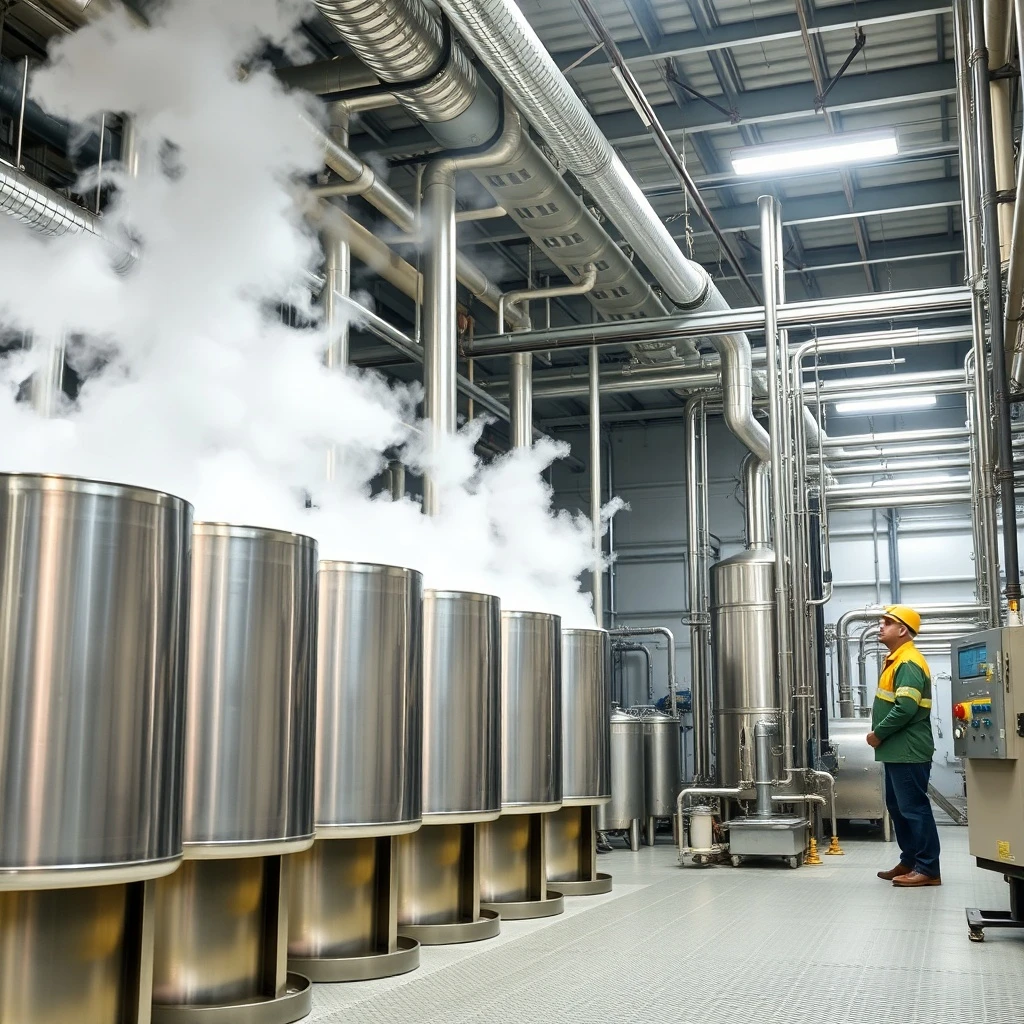
Palm oil fractionation is a physical process that separates refined palm oil into two main products: palm olein (the liquid portion) and palm stearin (the solid portion). No chemical modification is involved. The process relies on the fact that palm oil is a mixture of triglycerides with different melting points.
How fractionation works Refined, bleached and deodorized palm oil is slowly cooled under controlled conditions. Higher-melting triglycerides crystallize first; lower-melting ones remain liquid. The slurry is then passed through a membrane filter or a crystallizer-and-press system. The liquid fraction is palm olein; the solid cake is palm stearin. Further processing can create super olein, palm mid fraction, or harder stearin, depending on target specifications.
Palm olein: the liquid fraction Palm olein is the larger fraction in a typical single fractionation. It has a higher proportion of unsaturated fatty acids than whole palm oil. It remains clear at normal tropical ambient temperatures but may cloud or solidify in cooler storage or transit. It is widely used as cooking oil, frying oil, and as a base for liquid blends. Buyers often specify cloud point, iodine value, and free fatty acid content. Lower cloud point means better cold stability but usually comes from double fractionation and at a higher cost.
Palm stearin: the solid fraction Palm stearin is harder and has a higher melting point. It is not a waste byproduct: it is a valuable raw material for solid fats, shortenings, margarine hard stocks, vanaspati, and some specialty fats. It can also be used in soap manufacturing and oleochemicals. Buyers for these applications typically check slip melting point, solid fat content profile, and iodine value. A stearin with a higher melting point gives more structure to bakery fats; a softer stearin may be preferred for certain shortenings.
Why buyers care For a procurement manager, choosing between palm olein and palm stearin is rarely about one being “better.” It is about matching the fraction’s physical and chemical profile to the end use, storage conditions, and processing requirements.
- Liquid frying and cooking applications usually need olein with good oxidative stability and a cloud point that suits the local climate.
- Solid fat applications need stearin with a consistent melting curve, so the final product is not too hard or too soft.
- Specifications matter: iodine value, slip melting point, cloud point, free fatty acids, moisture and impurities, and colour all affect price and usability.
- Fractionation efficiency and feedstock quality influence consistency. Buyers commonly request a certificate of analysis and, where feasible, a pre-shipment sample.
When requesting quotations, be explicit about the fraction name, any double-fractionated grade, and the key physical specifications. That reduces the risk of receiving a product that meets a generic “palm oil” description but fails in the application. Understanding the simple split between olein and stearin is the first step to buying the right palm fraction for the job.