
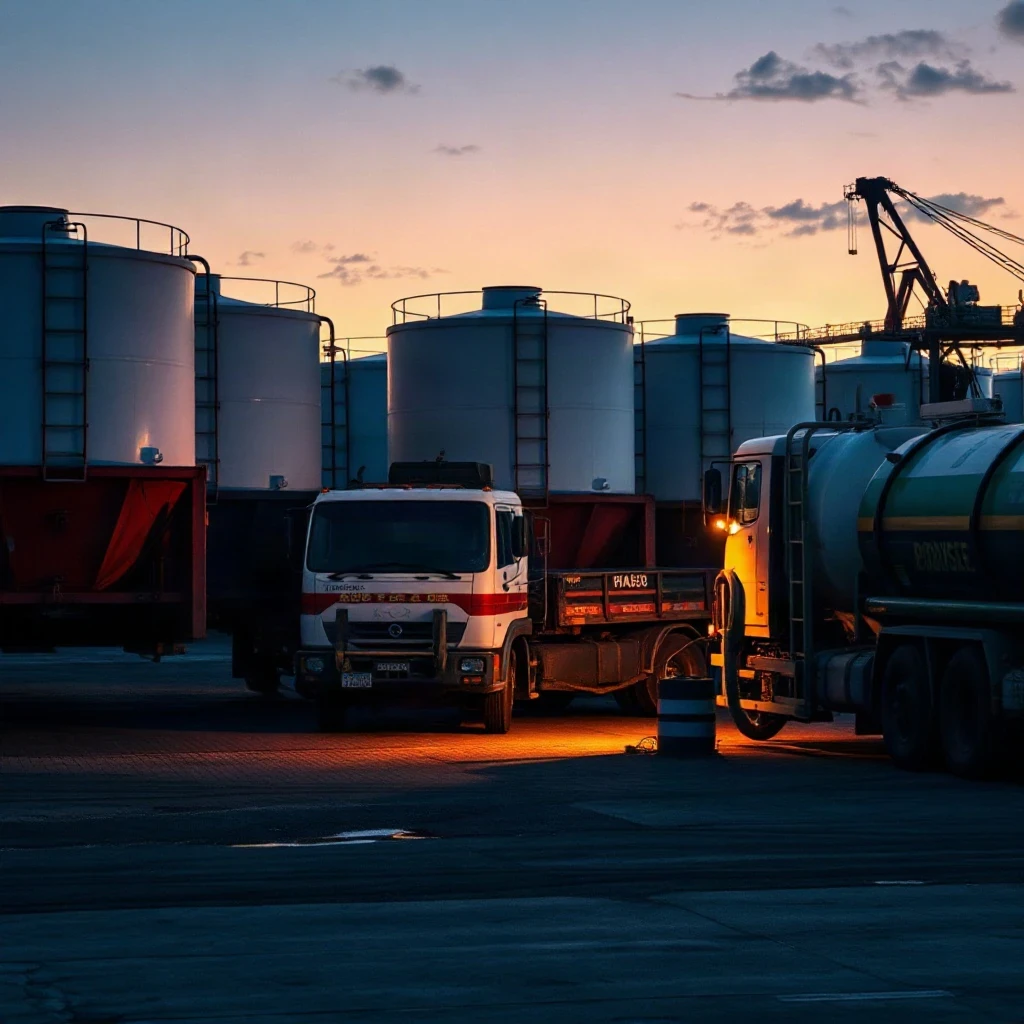
Indonesia's biodiesel programme is moving toward a fuller blend mandate, with Pertamina targeting complete distribution of B50 biodiesel by the end of September, according to the state distributor. The timeline puts the world's largest palm oil producer on course to absorb more of its own output into domestic fuel, a shift that matters well beyond Indonesia's borders.
What the policy push means
GAPKI, the Indonesian palm oil association, has urged a flexible approach to B50 implementation while warning about two constraints: the possible impact of El Niño conditions and the slow progress of smallholder replanting. That combination frames the central tension in the market.
- Higher blending lifts domestic consumption of palm-based methyl ester, tightening the volume available for export.
- El Niño typically brings drier weather to parts of Indonesia, and current conditions show notable dryness in Kalimantan.
- Replanting of smallholder oil palm remains a drag on future fruit supply, meaning the age profile of Indonesian plantations stays skewed toward mature, lower-yielding trees.
Indonesia has also been positioned as an international reference point for B50 development, reflecting the country's ambition to lead on biodiesel policy.
Supply, demand and the wider market
The demand side of the equation is firming. Brent crude around $104/bbl keeps biodiesel blending economics generally workable, and a wide palm discount to competing oils supports both food and fuel uptake. Malaysia's August data showed crude palm oil production at 1,817,499 tonnes, up 1.4% month on month, while closing stocks rose 15.2% to 1,645,570 tonnes and exports fell 7.5% to 1,294,664 tonnes. The stock build is a bearish near-term signal, but peak production season is a familiar seasonal pattern.
Our model outlook frames the next week as a tug-of-war: bearish Malaysian stock build and peak output against bullish biodiesel demand, a wide palm discount and an El Niño risk premium. The published path is +0.3% over seven sessions, with the anchor two days stale at $1,137/MT.
What compliance-minded buyers should watch
For buyers with sustainability and traceability obligations, the B50 rollout adds a layer of complexity. More domestic absorption in Indonesia can tighten export availability and shift trade flows toward other origins. Buyers should track:
- The pace of Pertamina's distribution and any adjustment to blending rules.
- Indonesian export levy and duty settings, which influence the cost of leaving volumes at home.
- Weather developments linked to El Niño, particularly in Kalimantan and Sumatra.
- Certification and traceability requirements, which remain a condition of access for many European and premium Asian buyers.
The policy direction is clear, but implementation details and weather will decide how much supply actually reaches the export market.