
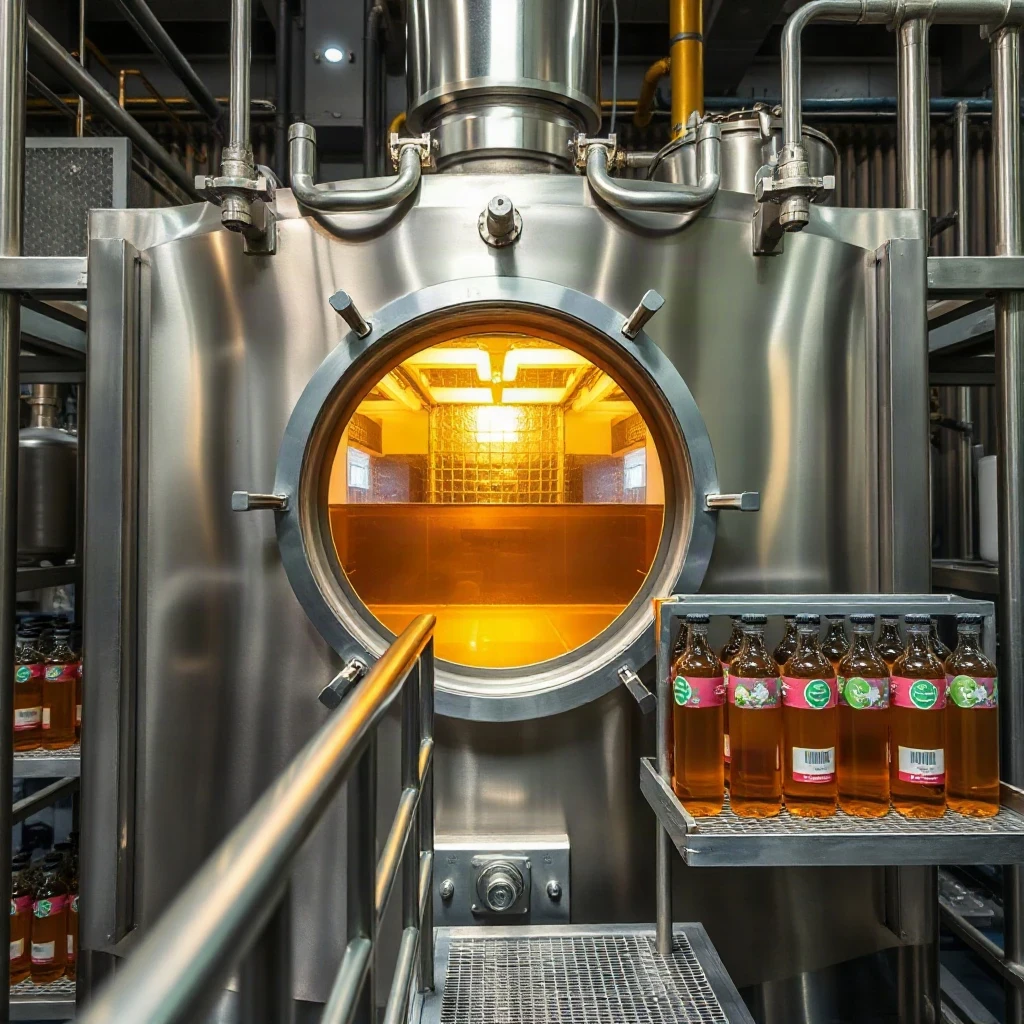
Palm oil does not burn well in a modern diesel engine. Its molecules are too large and too viscous, and its behaviour in cold weather is poor. The fix is a chemical reaction called transesterification, which converts the oil into fatty acid methyl esters - the material sold as palm biodiesel, or palm methyl ester (PME).
The chemistry
A triglyceride is a glycerol backbone carrying three fatty acid chains. In transesterification, methanol reacts with the oil in the presence of a catalyst - typically sodium hydroxide or sodium methoxide - and the glycerol is displaced. Each fatty acid chain is converted into a methyl ester, and glycerol emerges as a dense co-product. The overall reaction is reversible, so industrial plants run with excess methanol to push conversion towards the esters.
The industrial process
- Pre-treatment. Crude palm oil is degummed, dried and checked for free fatty acid (FFA) content. High FFA consumes catalyst and forms soap, so it is either limited or handled by acid-catalysed pre-esterification.
- Reaction. Oil, methanol and catalyst meet in stirred tank or continuous reactors at roughly 60-65°C under moderate pressure. Molar ratios commonly run around 6:1 methanol to oil.
- Separation. Glycerol settles out and is drawn off. Excess methanol is recovered by distillation and recycled, which matters for both cost and yield.
- Purification. The ester phase is washed or dry-purified, then vacuum-distilled or stripped to meet specification.
Why it matters commercially
Transesterification links two markets. The biodiesel maker competes with food and oleochemical buyers for the same palm oil, so the price of the feedstock usually sets the floor for PME. Glycerol output adds a second revenue stream, and methanol and catalyst costs sit on the other side of the margin. Policy - blending mandates and sustainability rules in importing countries - often drives demand more than engine technology does.
What to check when sourcing
- Feedstock origin and traceability, especially where sustainability certification is required.
- FFA and moisture content, which affect processing cost and yield.
- Cold-flow properties, since palm methyl ester clouds and gels at relatively warm temperatures compared with other esters.
- Oxidative stability, which influences storage life and blending limits.
- Specification conformity - ester content, glyceride residues, sulphur and acid value - against the standard your end use demands.
Understanding the reaction helps buyers see why quality, price and policy are so tightly connected in the palm biodiesel chain.