
Where each oil comes from
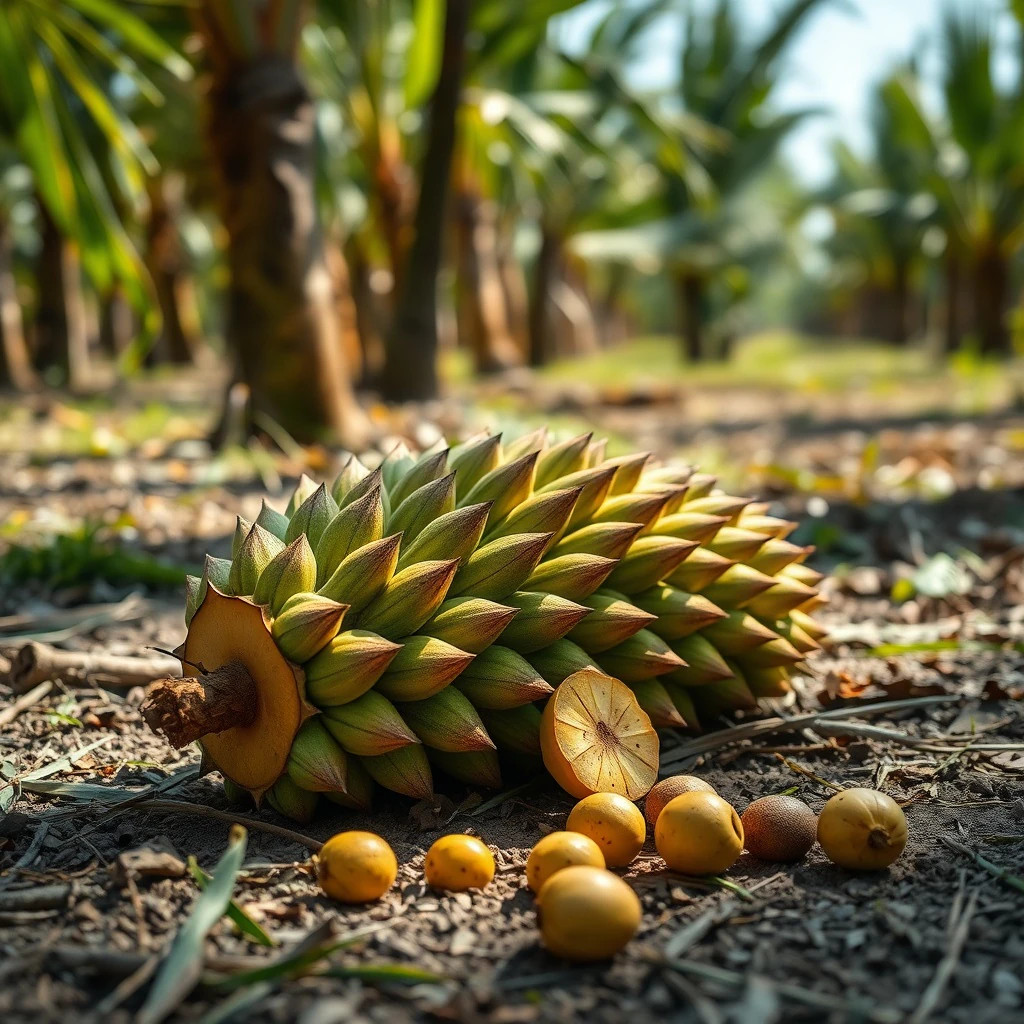
The oil palm fruit contains two oil-bearing parts. The fleshy outer mesocarp yields crude palm oil. The inner kernel yields palm kernel oil after crushing. These are separate products with distinct properties and markets.
Composition and physical form
Crude palm oil is semi-solid at room temperature in temperate climates, with a roughly balanced mix of saturated and unsaturated fatty acids. Palm kernel oil is more highly saturated, similar to coconut oil, and is solid at room temperature. This difference drives functionality.
Typical uses
- Crude palm oil: cooking oil, frying, margarine, shortening, and biodiesel after refining
- Palm kernel oil: confectionery fats, cocoa butter substitutes, soaps, personal care products, and oleochemicals
- Palm kernel meal, a by-product of kernel crushing, is used in animal feed
Procurement considerations
Specify clearly whether you need palm oil or palm kernel oil, and whether crude or refined. Ask for fatty acid profile, iodine value, and melting point to match your application.
Palm kernel oil often trades at a premium to crude palm oil due to different supply dynamics. Both can be certified under sustainability schemes, but certification applies to the specific product and supply chain.
Check product form. Crude palm oil is commonly shipped as CPO or refined. Palm kernel oil is often sold as crude PKO or refined. For food applications, refined, bleached, and deodorised grades are typical.
Key takeaway
Do not treat palm oil and palm kernel oil as interchangeable. They come from different parts of the same fruit, have different fatty acid profiles, and suit different applications. Matching the right oil to your process avoids costly reformulation.