
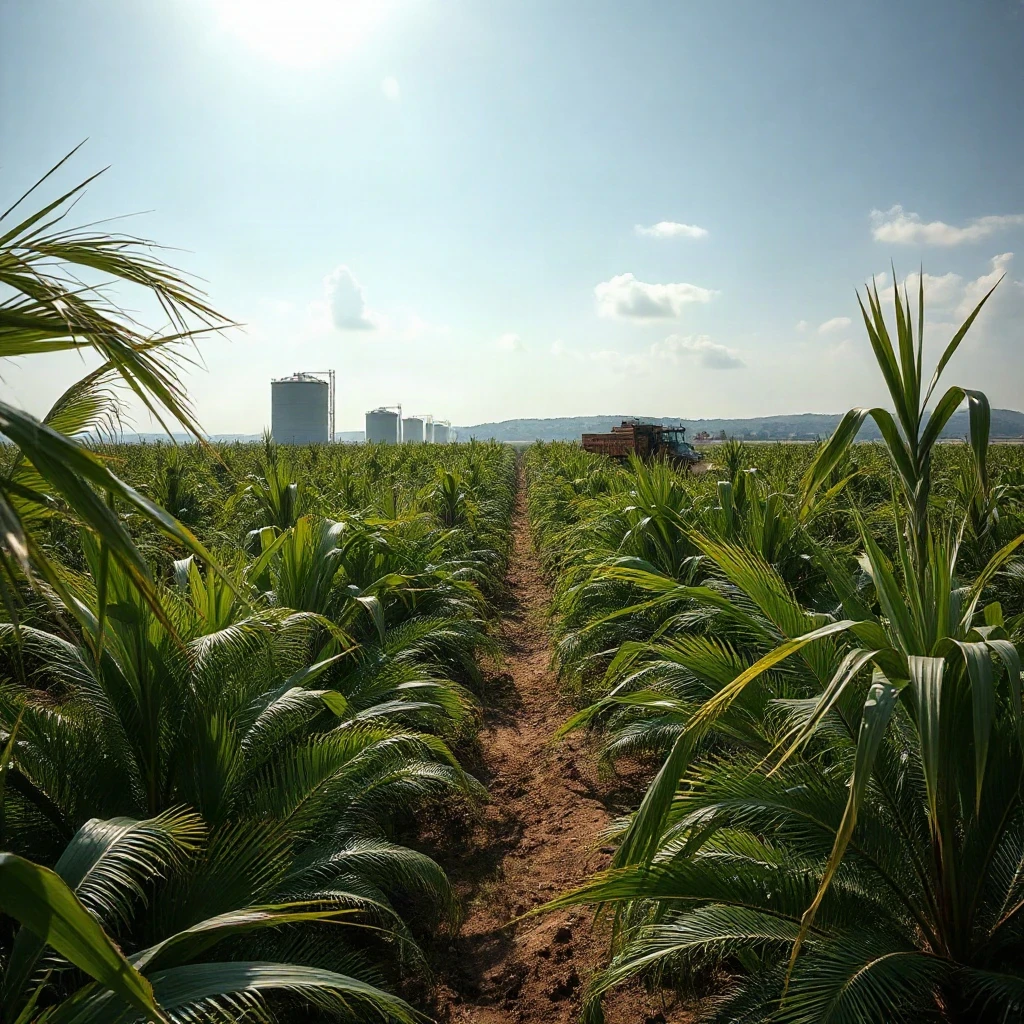
Indonesia's push to expand its biodiesel mandate is drawing attention from Japanese and European parties, according to local industry reports, signaling broader international engagement with the country's biofuel program. The reports, published this week, highlight Indonesia's claim as a global pioneer in implementing the B50 blend, a mix of 50% palm oil-based biodiesel and 50% diesel.
Separately, the East Kalimantan plantation agency has voiced support for the B50 rollout, underscoring regional alignment with the national policy. These developments come as Indonesia prepares for an even more ambitious B60 mandate, slated for 2027, according to industry trade media.
Market context
The policy push arrives as global palm oil benchmarks remain elevated. Malaysian crude palm oil futures traded near $1,152 per metric ton, up slightly from the prior session, with the ringgit at 4.06 per dollar. The Indonesian reference price stood at about $1,008 per metric ton, while the World Bank's global palm oil benchmark was around $1,117. Brent crude held near $100 per barrel, a level that improves the economic case for biodiesel blending.
For palm oil supply, the biodiesel ramp-up is a key demand-side factor. Each step higher in the blend rate—from B35 to B50 and eventually B60—locks in a larger share of domestic palm oil for fuel use, reducing the volume available for export. This dynamic is particularly relevant as Indonesia's domestic consumption grows alongside its mandate schedule.
Compliance and buyer implications
For compliance-minded buyers, the developments signal tighter supply conditions ahead. The B50 program's expansion, supported by regional agencies, suggests a coordinated implementation effort. Meanwhile, the early groundwork for B60 indicates a long-term policy trajectory that could keep Indonesian export availability constrained.
Buyers tracking sustainability and regulatory compliance should note that Indonesia's biodiesel policy is becoming a structural feature of the palm oil market, not a temporary measure. The interest from Japan and Europe—markets with stringent fuel standards—may add pressure for verified, traceable palm oil feedstocks.
Our model outlook suggests crude palm oil holds near 52-week highs despite ample Malaysian stocks and peak-season pressure. The wide soy-palm spread, firmer crude, and Indonesia's B50 ramp provide support, but the imminent MPOB release—expected to show a seven-month high in August stocks—and seasonal September softness argue for a cautious near-term bias. We see a choppy week with a slight downward tilt, roughly -0.1% over seven trading days.
As the B50 rollout gains traction and B60 preparations advance, market participants will watch for policy announcements, export permit changes, and any signals on domestic supply allocation. These factors are set to remain central to palm oil pricing and trade flows in the coming months.