
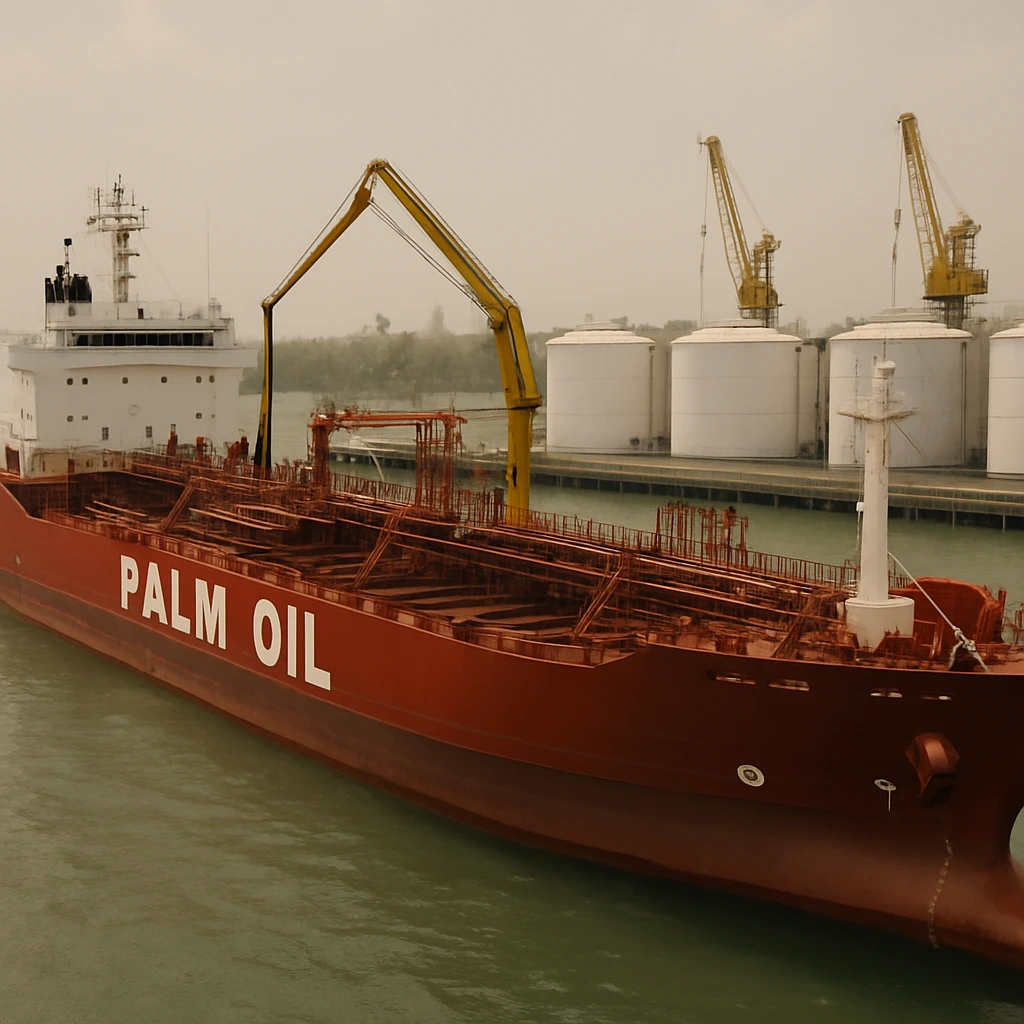
Indonesia’s biofuel policy signals are moving on multiple fronts at once. Parliamentary discussion around optimizing the RU III Plaju refinery and making the Sumbagsel region energy self-sufficient through B50 biodiesel and E20 ethanol suggests that blending ambitions are now being discussed at a regional level, not just as a national fuel standard. At the same time, industry association GAPKI has cautioned that the B50 mandate planned for 2027 will need flexibility because palm oil supply remains a core challenge. These signals arrive as Jakarta reports that B50 biodiesel has reached 90% of Pertamina fuel stations. Industry commentary is already assessing the mandate’s impact on palm oil producers and processors.
What this means for palm oil demand
The expansion of B50 blending directly raises the volume of palm oil absorbed by the domestic fuel pool. When a state-owned distributor reports that B50 is available at 90% of its stations, the implication is that physical blending infrastructure and fuel distribution are maturing quickly. For palm oil markets, that means a growing share of crude palm oil output is being locked into domestic energy use, reducing the quantity available for food processing and export. Regional initiatives such as the Sumbagsel self-sufficiency push could create additional localized demand if provinces or refining hubs pursue their own blending targets.
The ethanol component adds a different layer. E20 focuses on sugar- or starch-based feedstocks rather than palm oil, but it signals a broader political willingness to raise biofuel mandates across feedstocks. If biodiesel and ethanol targets advance together, the overall bioenergy policy environment becomes more interventionist, which can influence how palm oil flows are prioritized between fuel, food and export markets.
Supply constraints and flexibility debate
GAPKI’s public caution that the 2027 B50 mandate needs flexibility points to real feedstock constraints. Palm oil production does not expand instantly; replanting cycles, weather variability, smallholder yields and competing export demand all limit how much additional oil can be directed to biodiesel without squeezing other users. Flexibility could take the form of phase-in periods, temporary blending adjustments or differentiated treatment for certain regions. From a market perspective, the debate itself is important: it acknowledges that a mandate on paper may not translate into stable physical supply unless feedstock availability and logistics keep pace.
Signals for compliance-minded buyers
For buyers who need to manage supply-chain compliance and secure palm oil or palm-based derivatives, the current developments suggest several watchpoints. First, the reported 90% coverage at Pertamina stations shows that the transition from announced mandate to physical blending is already underway; buyers may want to monitor whether that coverage stabilizes or expands. Second, regional political support for B50 and E20 could produce new local demand centers around refineries such as RU III Plaju, potentially altering regional trade flows. Third, the flexibility discussion for 2027 signals that official blending levels may be adjusted if palm supply tightens, which would affect both domestic availability and exportable volumes. Finally, the overlap between biodiesel and ethanol policy means compliance teams may need to track a wider set of feedstocks and fuel standards, even when their direct interest is palm oil.
In sum, Indonesia’s B50 rollout and regional biofuel ambitions are reinforcing the structural shift of palm oil toward domestic energy use, while supply-side warnings highlight the risk that mandates outrun feedstock availability. The policy mix is still evolving, and the degree of flexibility granted in the coming months will be a key signal for how much palm oil remains available for non-fuel buyers.