
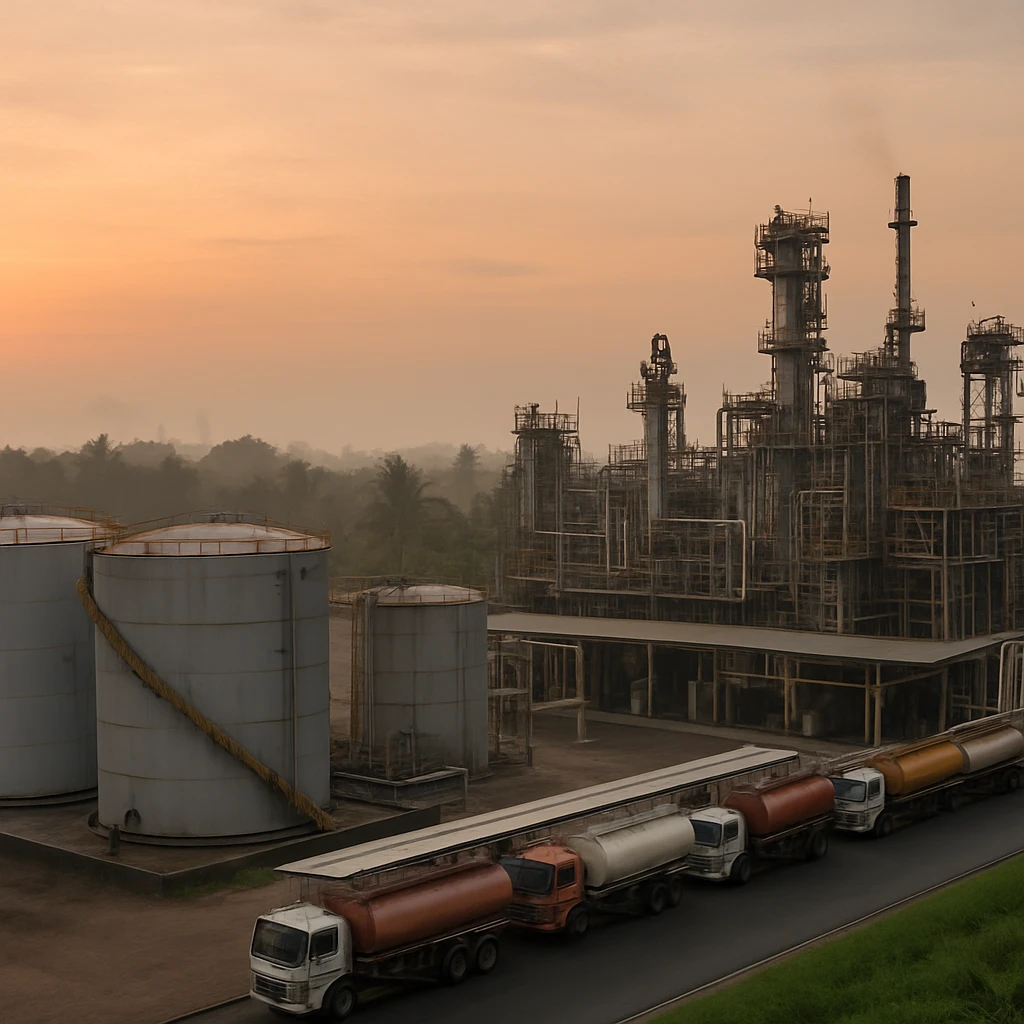
Indonesia’s move to B50 biodiesel has moved from announcement to active rollout. Recent reports indicate the blend is now officially applied, with national distribution reaching 80 percent and coverage extending to around 90 percent of Pertamina fuel stations. A full implementation target is set for the beginning of October 2026. These milestones matter because biodiesel blending in Indonesia is almost entirely palm-based, so each percentage point of blend directly affects how much palm oil stays in the domestic energy system rather than entering export markets.
Supply implications
Palm oil is the primary feedstock for Indonesia’s biodiesel mandate. A rising blend rate increases the volume of crude palm oil absorbed by the energy sector. GAPKI, the national palm oil producers’ association, has called for flexibility around the B50 mandatory program, pointing to palm oil supply as a challenge for the 2027 horizon. That warning suggests the domestic market may face tighter feedstock availability as the blend scales up. For buyers in food, oleochemical and specialty fat segments, more palm oil being reserved for biodiesel can reduce the exportable surplus and make feedstock procurement more competitive.
Demand and market balance
The expansion to B50 shifts demand from the export market to domestic energy use. When distribution reaches a wide share of retail fuel outlets, the effective consumption of palm-based biodiesel becomes more predictable and harder to reverse quickly. This creates a structural demand floor for palm oil within Indonesia. Compliance-minded buyers may see less spot availability of certain grades, longer lead times, or firmer domestic prices as the blending requirement absorbs more supply. The reports of 80 percent distribution and 90 percent Pertamina station coverage suggest the rollout is well underway, which can reduce uncertainty about whether the mandate will be enforced, but it also locks in significant feedstock demand.
What to watch
For companies buying palm oil or palm derivatives, several policy signals are worth monitoring. The targeted full implementation date of 1 October 2026 will show whether the government maintains the schedule or adjusts for supply constraints. GAPKI’s call for flexibility for a 2027 mandate may indicate ongoing discussions about blend rates, export levies, or feedstock availability. Buyers should also track whether distribution gains continue beyond 80 percent and whether any adjustments are made to domestic market obligations or export policies. A key question is whether non-energy palm users will face increased competition for certified or traceable supply, as the biodiesel sector typically draws on large volumes of crude palm oil.
Overall, Indonesia’s B50 policy is reshaping the palm oil demand picture. The policy desk notes that the blend is no longer a distant proposal; it is being distributed across the fuel network. With supply flexibility flagged by producers and full implementation approaching, the main watch items are feedstock availability, exportable surplus, and any policy fine-tuning.