
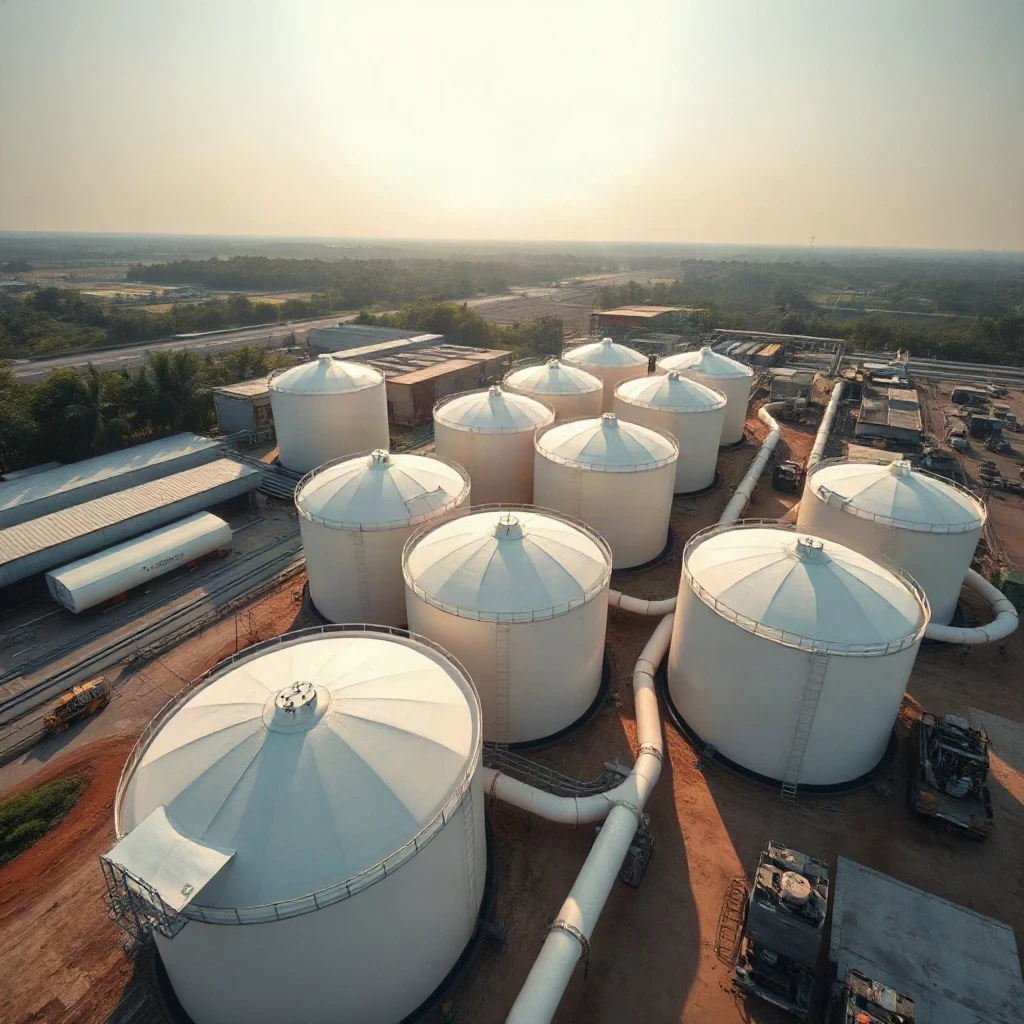
Indonesian biodiesel policy is entering a critical phase as the full B50 mandate is slated to take effect on Oct. 1, with national distribution already reported at 80 percent. Industry association GAPKI has stressed the need for flexibility in the 2027 B50 mandate, pointing to palm oil supply as a key constraint as the country simultaneously steps up preparations for a B60 blend in 2027.
Supply-demand tension
The push toward higher blend rates comes at a time when feedstock availability is under scrutiny. GAPKI's call for flexibility suggests that even the current B50 path may strain domestic supply chains, particularly if production growth lags the pace of fuel demand. A B60 mandate would raise the bar further, requiring either a significant increase in crude palm oil output or a reallocation of exports toward domestic consumption.
For compliance-minded buyers, the implication is straightforward: more Indonesian palm oil diverted into biodiesel means less available for the export market. This dynamic is already visible in the reference price gap, with Indonesia's official palm oil reference at about $1008 per metric ton versus a global benchmark near $1117 and the Malaysian CPO contract around $1153.
Market context
These policy signals land against a mixed fundamental backdrop. Malaysian July data showed production up 9.4 percent month on month at 1.79 million tons, with stocks climbing 7.2 percent to 1.43 million tons. Exports rose a stronger 14.5 percent to 1.39 million tons, but imports fell sharply. The market is now bracing for an August MPOB report expected to show a seven-month high in stock builds.
Our model outlook sees near-term bias as mixed-to-soft, with September seasonality and weak soybean oil adding pressure. Yet the wide BOPO spread, persistent El Niño concerns, and rising Brent crude at about $96 per barrel all offer support to the downside. Technicals remain bullish, though crowded soyoil longs and the absence of fresh cargo-surveyor data widen the uncertainty band.
What to watch
- Confirmation that B50 is fully operational from Oct. 1 across all distribution channels
- Any formal adjustment to the 2027 mandate timeline or blend rate in response to GAPKI's supply concerns
- Monthly Indonesian palm oil export data for signs of tightening availability
- Weather developments in Kalimantan and Sarawak, where dry conditions could pressure production
For buyers, the policy trajectory points to a structurally tighter Indonesian export balance over the medium term. The base case in our model sees modest negative drift before a possible post-report relief bounce, with medium confidence, but policy-driven supply diversion is a factor that could shift that path.
Indonesian domestic consumption is becoming a more powerful price-setting force with each blend-rate increase. The transition from B35 to B50 and the early groundwork for B60 signal that this is not a temporary measure but a structural shift in how the world's largest palm oil producer allocates its output.