
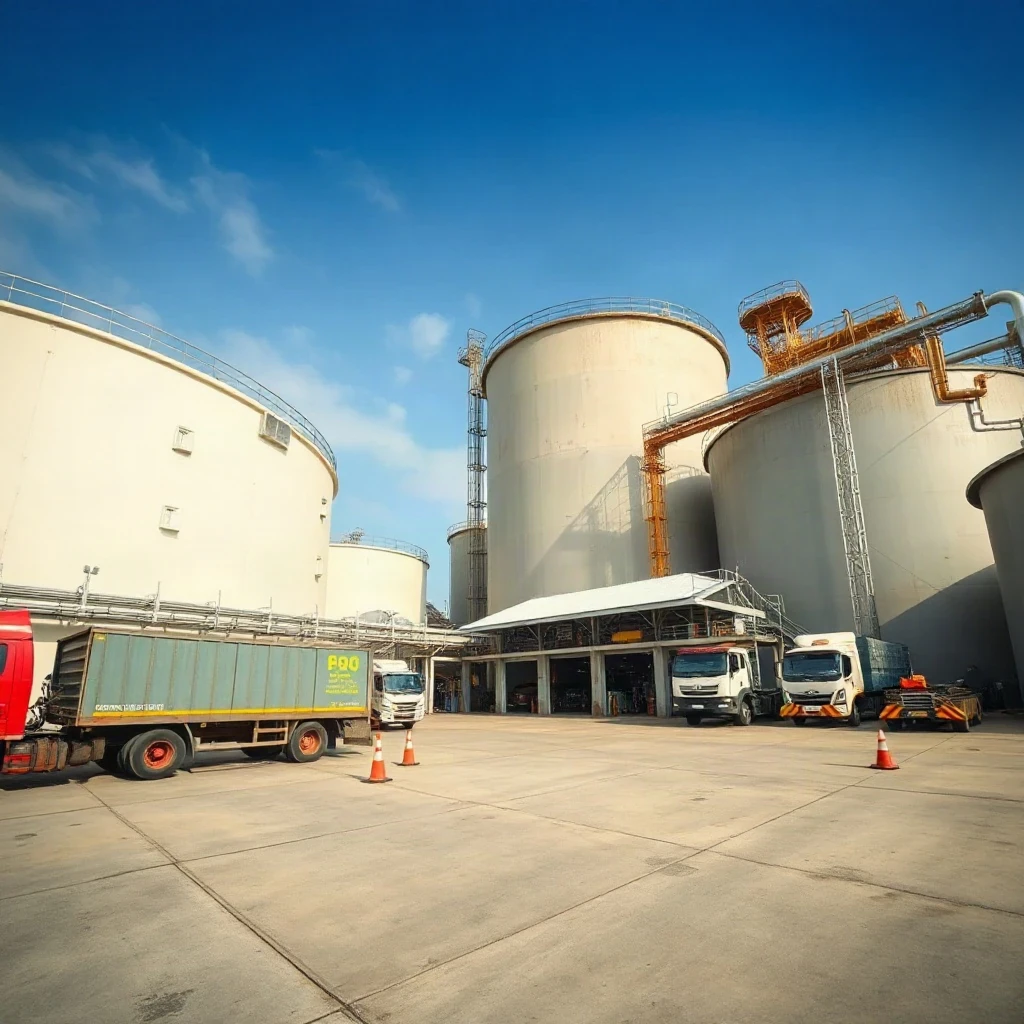
Indonesia’s B50 biodiesel program is approaching full implementation, with distribution reaching 80% of the national target and covering 90% of Pertamina stations, according to industry reports. The milestone comes about a month before the mandate is due for complete rollout, signaling that logistics and blending capacity are largely in place. For palm oil markets, the key question is how much additional crude palm oil (CPO) demand this creates and whether feedstock supply can keep pace.
Supply constraints and flexibility calls
The Indonesian Palm Oil Association (GAPKI) has cautioned that the 2027 B50 mandate will require flexibility, with palm oil supply emerging as a key challenge. The statement underscores growing tension between ambitious biodiesel targets and the availability of feedstock, especially as the industry also eyes a B60 mandate in 2027. If CPO supply tightens, biodiesel blenders may need to adjust procurement strategies or rely on carry-over stocks, which could affect export availability.
For compliance-minded buyers, the policy direction reinforces that a larger share of Indonesian palm oil will be diverted to domestic fuel use. That structural demand is a supportive factor for global CPO prices, but it also raises the risk of supply disruptions if the mandate outpaces plantation output growth.
Market context
Malaysian CPO futures are trading near $1,153 per tonne, close to 52-week highs, with a bullish technical structure but stretched momentum. Our model outlook suggests choppy trading with a slight downside bias into the upcoming MPOB data release, though demand-side support from biodiesel mandates limits losses. The BOPO spread—the gap between CPO and gasoil—stands at $372 per tonne, making palm oil attractive for biodiesel production. Brent crude at about $96 per barrel further improves blending economics.
Implications for buyers
Buyers should monitor Indonesia’s biodiesel distribution pace and any policy adjustments, as these directly influence export supply. GAPKI’s call for flexibility could lead to regulatory tweaks, such as relaxed blending ratios or import allowances for feedstocks, which would alter CPO demand forecasts. With El Niño warnings for 2027 supply, the interaction between weather risk and biodiesel demand will be critical for price direction. For now, the market is balancing robust policy-driven demand against near-term stock builds and seasonal headwinds.