
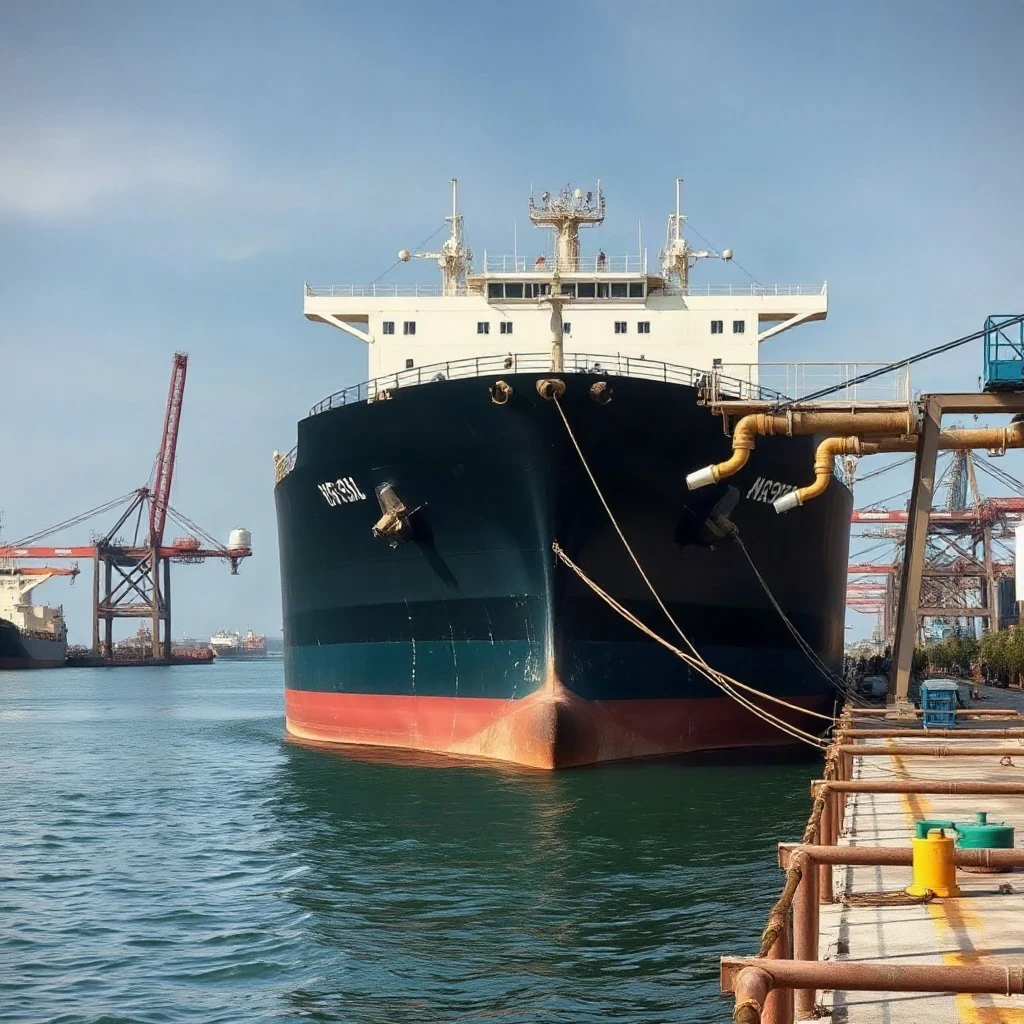
For procurement managers new to palm oil, understanding the timeline from contract to discharge is essential. This explainer outlines the typical stages and lead times for shipping crude palm oil (CPO), refined, bleached, and deodorized (RBD) palm olein, and other palm products from major Southeast Asian origins.
Key Stages in the Supply Chain
The journey begins with the seller (often a refiner, trader, or major plantation group) and the buyer agreeing on terms. After the contract is signed, the seller arranges for the cargo to be ready at the port. This involves coordinating with the mill or refinery, securing storage tanks, and booking a vessel.
The main stages are:
- Contract finalization: This includes agreeing on the product specification, quantity, price, and Incoterms.
- Cargo preparation: The product is produced, tested, and moved to the port's storage tanks.
- Vessel nomination and berthing: The buyer or seller (depending on the Incoterm) nominates a vessel. The vessel must arrive at the port and wait for a berth.
- Loading: The cargo is pumped from shore tanks to the vessel's tanks. This can take 24 to 48 hours for a standard parcel.
- Documentation: Bills of lading, certificates of origin, and quality/quantity documents are processed.
Typical Lead Times
Lead times vary depending on the product, destination, and port congestion. As a general guide:
- For nearby Asian destinations (e.g., India, China, Japan): Expect a total lead time of 4 to 6 weeks from contract to port of discharge. This includes about 2–3 weeks for production and vessel nomination, and a sea voyage of 5–10 days.
- For longer destinations (e.g., Europe, Africa, Americas): Lead times are typically 6 to 10 weeks. The sea voyage alone can be 25–35 days, depending on the route and whether the vessel transits the Suez or Panama Canal.
These are rough estimates. In practice, delays can occur due to weather, port congestion, or vessel availability.
Practical Planning Tips
- Build in buffer time: Always add 1–2 weeks of buffer to your internal deadlines to account for unforeseen delays.
- Understand Incoterms: Clarify who is responsible for chartering the vessel and paying freight. Under CIF or CFR, the seller arranges shipping; under FOB, the buyer does.
- Monitor the vessel schedule: Once the vessel is nominated, use its tracking system to monitor the estimated time of arrival.
- Plan for documentation: Ensure your bank and customs brokers are ready to handle the shipping documents promptly to avoid demurrage.
Common Pitfalls
- Underestimating loading time: Even at efficient ports, loading can be slower than expected due to weather or technical issues.
- Ignoring tank availability: If your storage tanks are full when the vessel arrives, you may incur demurrage charges.
- Assuming uniform quality: Palm oil quality can vary slightly by origin and season. Always specify your required free fatty acid (FFA) content and other parameters in the contract.
By understanding these typical lead times and planning accordingly, you can reduce the risk of costly delays and ensure a smoother procurement process. For more detailed market intelligence, keep following Palm Oil Economics.