
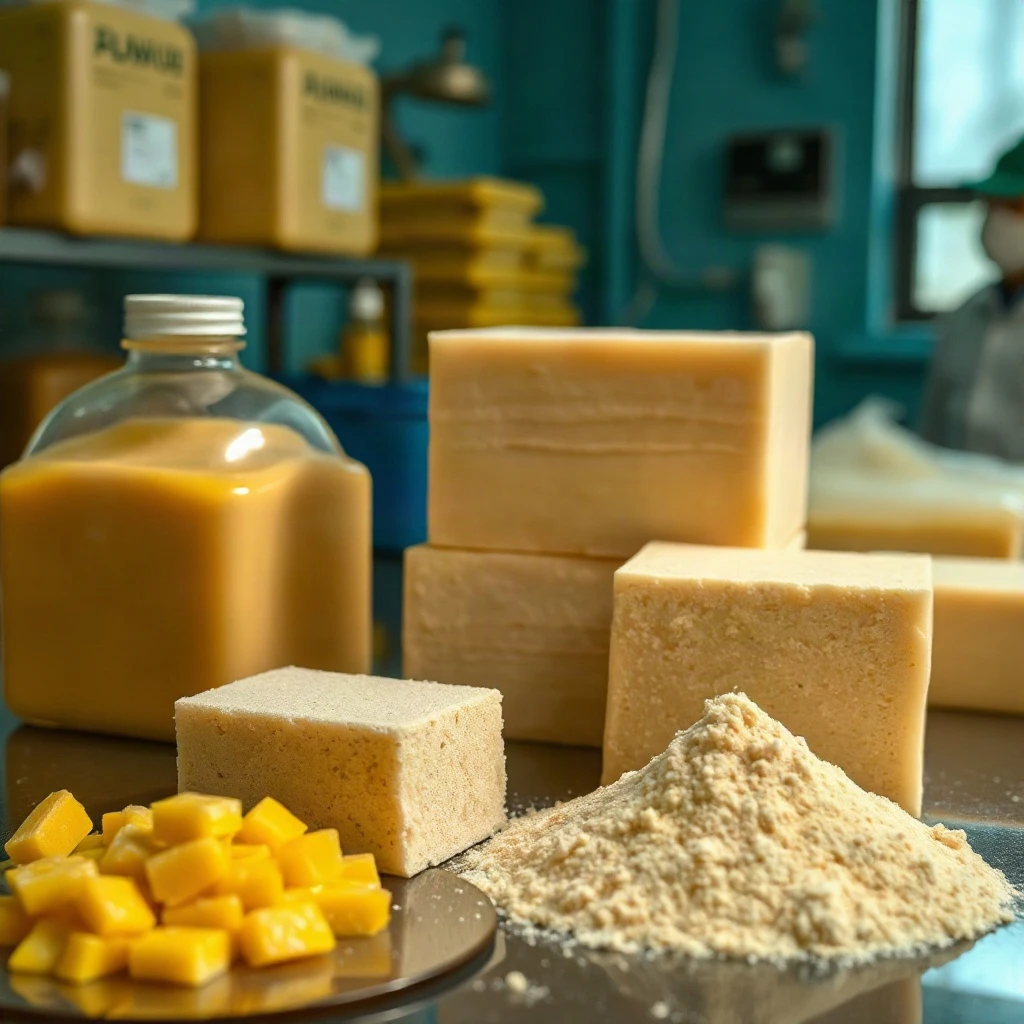
Hydrogenation in palm processing
Hydrogenation is a standard fat-modification process. It adds hydrogen to unsaturated double bonds in vegetable oils using a metal catalyst, heat and pressure. The result is a more saturated fat with a higher melting point and longer oxidative shelf life. Palm oil and its solid fraction, palm stearin, are common feedstocks because they already have a high proportion of saturated fatty acids and need relatively mild hydrogenation to reach hard-fat specifications.
Partial hydrogenation leaves some double bonds but can form trans isomers. Full hydrogenation converts nearly all double bonds and produces a very hard, stable fat with negligible trans content. Buyers should always ask whether a product is fully or partially hydrogenated and request a trans fatty acid value on the certificate of analysis.
HPO: hydrogenated palm oil
Hydrogenated palm oil (HPO) is made from refined, bleached and deodorized palm oil. The process raises its slip melting point and solid fat content, turning the oil into a hard, waxy solid at room temperature. HPO is used as a hardstock in bakery shortenings, margarine blends, non-dairy creamer fats and coating fats. Key purchasing specifications include: - iodine value (low, indicating high saturation) - slip melting point and solid fat content at relevant temperatures - free fatty acids and peroxide value - trans fatty acid content if the product is partially hydrogenated - moisture and impurities
HPS: hydrogenated palm stearin
Palm stearin is the solid fraction obtained by fractionating palm oil. It already has a high melting point and high solid fat content. Hydrogenating palm stearin produces an even harder, lower-iodine-value fat with excellent heat stability and a steep melting curve. HPS is often chosen for confectionery coatings, compound chocolate, cookie fillings and hard fats for industrial bakery lines where a crisp snap and resistance to softening are needed.
Because HPS is harder than HPO, substitution is not always direct. A buyer should compare melting profiles and solid fat content curves before replacing one with the other.
Powdered fats
Powdered fats are produced by spray chilling or spray cooling molten hydrogenated fat into small, uniform particles. The powder is free-flowing, easy to dose and blends well with dry ingredients. Common uses include cake and bakery premixes, instant soup and sauce bases, non-dairy creamer powders, and dry seasoning blends. Typical checks for powdered fats include: - particle size distribution and bulk density - flowability and resistance to caking - fat content and moisture content - melting point of the fat component - free fatty acid and peroxide values
Practical procurement notes
Request a full certificate of analysis from the supplier and keep retained samples. Store hydrogenated palm products in a cool, dry area away from strong odors and direct sunlight. Powdered fats are sensitive to temperature cycling; repeated melting and resolidifying can cause clumping and uneven performance. Compare packaging options such as cartons, bags or bulk containers based on your handling equipment and usage rate.
Hydrogenated palm products remain workhorse fats where hardness and oxidative stability matter. Asking the right specification questions helps first-time buyers avoid mismatches in melting behaviour, powder flow and trans fat requirements.