
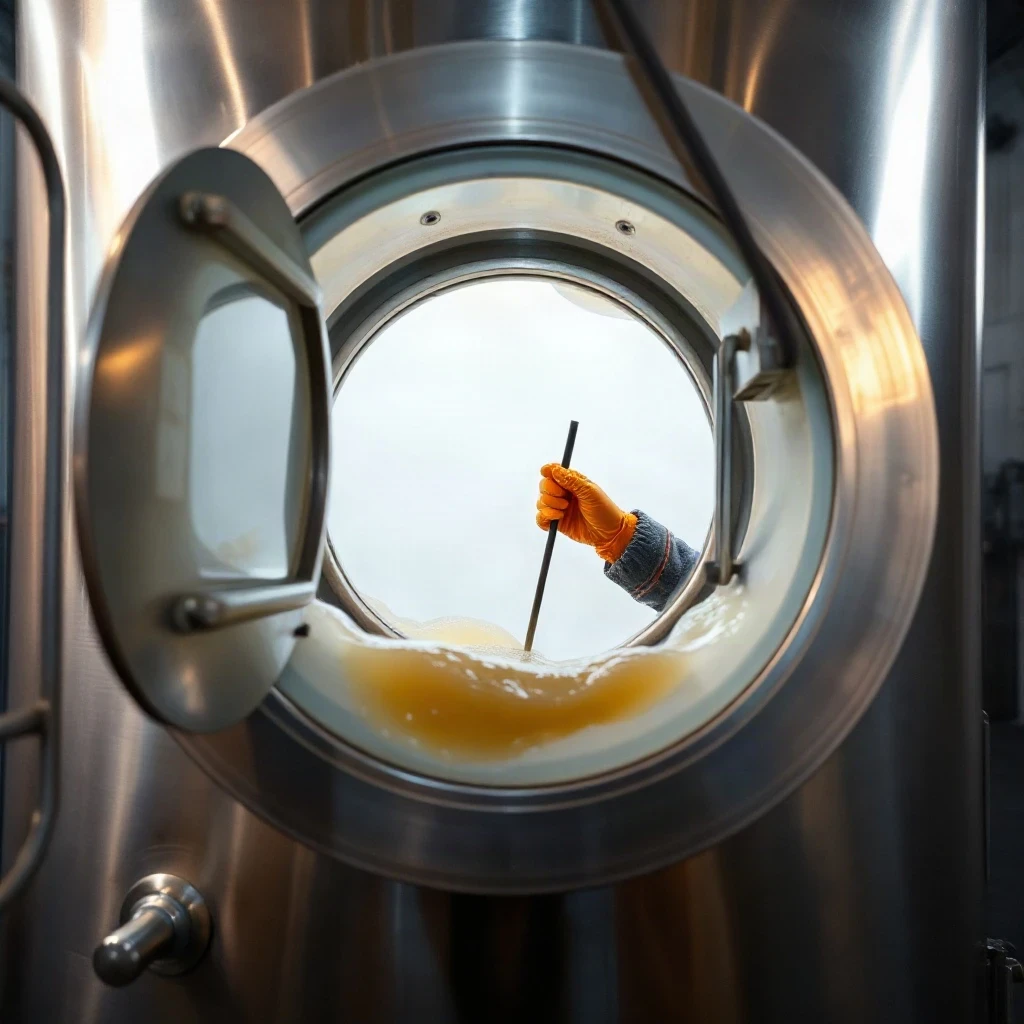
For buyers new to palm oil, its semi-solid consistency at room temperature can be surprising. Unlike liquid vegetable oils such as soybean or rapeseed, palm oil holds a thick, butter-like texture. This is not a defect—it is a natural property rooted in the oil's chemical makeup.
The chemistry behind the texture
Palm oil is roughly balanced between saturated and unsaturated fatty acids. About half of its fatty acids are saturated, primarily palmitic acid. Saturated fatty acids pack tightly together, giving the oil a higher melting point than most other vegetable oils. As a result, palm oil is semi-solid at typical indoor temperatures—around 20–25°C (68–77°F).
This balance is what makes palm oil versatile. It can be fractionated into different components: a liquid olein for frying and a solid stearin for margarine and shortening. The natural semi-solid state means less energy is needed to modify it for various applications.
Practical advantages for manufacturers
For food producers, semi-solid palm oil provides structure and stability. It gives baked goods their flaky texture, keeps spreads spreadable, and resists oxidation better than highly unsaturated oils, extending shelf life. In confectionery, it helps maintain a firm yet melt-in-the-mouth feel.
In the oleochemical industry, palm oil's saturated nature makes it a preferred feedstock for producing fatty acids, soaps, and cosmetics. The solid fraction is ideal for candles and personal-care products that need to hold shape at room temperature.
Storage and handling considerations
For procurement managers, the semi-solid state has practical implications. Palm oil must be stored in heated tanks—typically around 30–40°C (86–104°F)—to keep it fluid for pumping and transport. Buyers need to ensure their facilities can maintain these temperatures, especially in cooler climates.
When receiving deliveries, it is common to see a cloudy or partially solid appearance. This is normal and does not indicate quality issues. Gentle heating with agitation will restore a uniform liquid state without harming the oil's properties.
The cost-efficiency angle
Palm oil's semi-solid nature also contributes to its cost-effectiveness. Because less processing is required to achieve desired textures compared to fully hydrogenated liquid oils, manufacturers save on energy and equipment. Moreover, the oil's natural stability reduces the need for added antioxidants in many applications.
For first-time buyers, understanding this characteristic helps in planning storage, handling, and formulation. Palm oil's semi-solid state is not a complication—it is a feature that has made it a staple in global food and industrial supply chains.