
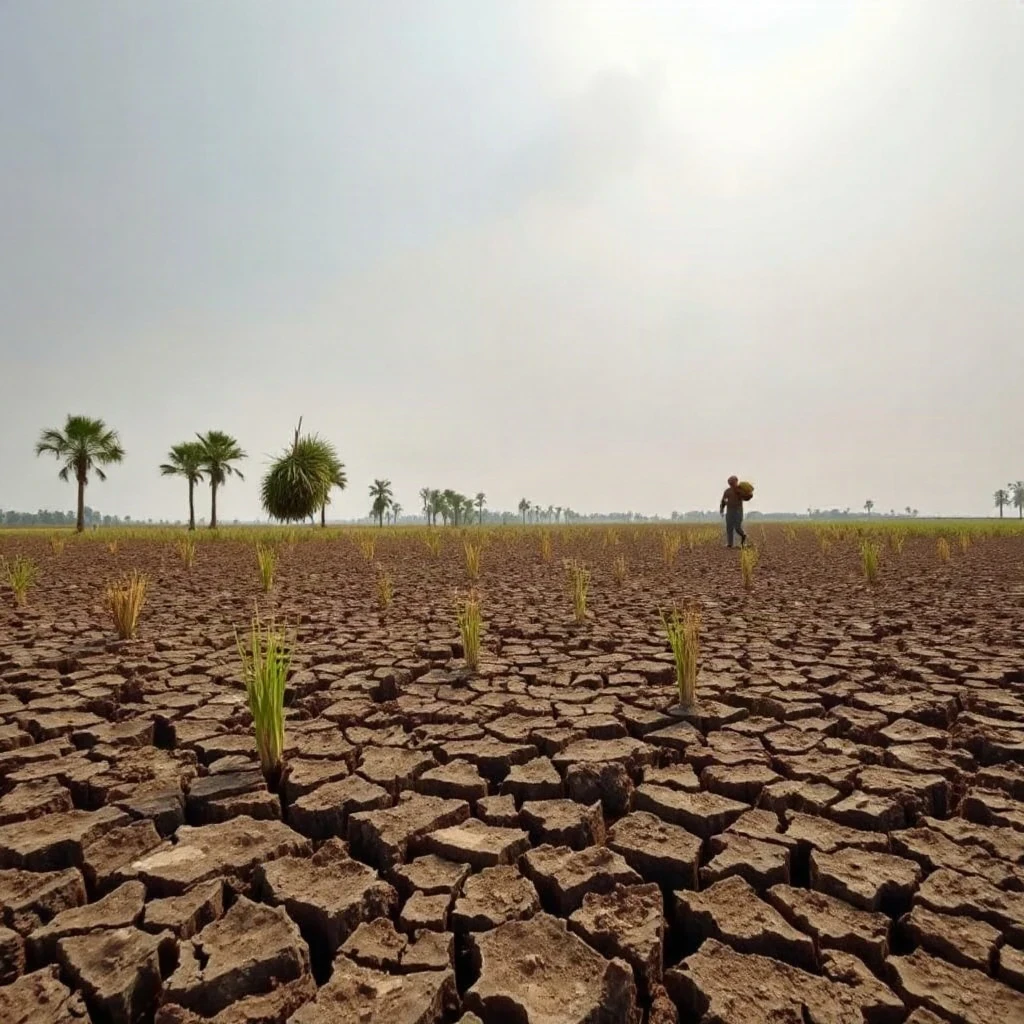
The palm oil market enters the final week of August with the El Niño signal still firmly in place. The Oceanic Niño Index (ONI) stands at +1.4, a moderate-to-strong reading that continues to shape rainfall patterns across the Malaysian and Indonesian palm belts. Recent observations show notably dry conditions in Sarawak and Kalimantan, two of the region's most productive zones.
Rainfall and Immediate Operations
For the near term, the dry spell is a double-edged sword. On one hand, the absence of heavy rain supports harvesting and logistics—teams can move fruit to mills without the delays that typically accompany downpours. On the other, extended dryness stresses trees, particularly in rain-fed areas. In Sarawak, estates are already reporting lower soil moisture, which can trim fruit bunch weight over the coming months.
In Kalimantan, the Indonesian side of the island is similarly dry. This matters for the broader Indonesian supply picture, as the province is a major contributor to national output. While the current July data from Malaysia shows production rising 9.4% month-on-month to 1.79 million tonnes, that reflects conditions from earlier in the season, before the full effect of the current dry weather is felt.
The Lag Effect: 6-12 Months
El Niño's most significant impact on palm yields is delayed. Drought stress today reduces the number and weight of fruit bunches harvested six to twelve months from now. With the ONI still elevated, the trees that are now experiencing dry conditions are likely to show reduced yields in the first half of 2027. This lag is a key reason why the market is pricing in supply risk despite ample near-term stocks.
Malaysia's July closing stocks were 1.43 million tonnes, up 7.2% from June, and exports jumped 14.5% to 1.39 million tonnes. That combination suggests current supply is adequate, but the forward-looking yield risk from the El Niño dry spell is what keeps the market on edge.
La Niña Prospects
Historical patterns suggest La Niña often follows a strong El Niño, bringing wetter conditions to Southeast Asia. If that transition occurs in late 2026 or early 2027, it would likely ease drought stress and support recovery. However, the timing and intensity of any La Niña remain uncertain, and until then, the dry belts in Sarawak and Kalimantan remain the focus.
Market Context
Our model outlook notes that benchmark Malaysian crude palm oil is at 52-week highs after five straight sessions, though technical indicators like RSI at 78 suggest a near-term pullback is possible. The wide spread between biodiesel and gasoil, coupled with Indonesia's B50 mandate and ongoing El Niño supply risks, provides a floor under prices, while ample stocks and peak production cap upside. We expect a modest net decline over the next seven days, but the weather-driven yield outlook remains a supportive factor for the medium term.
For now, the market watches the skies over Sarawak and Kalimantan—and the ocean temperatures that drive them.