
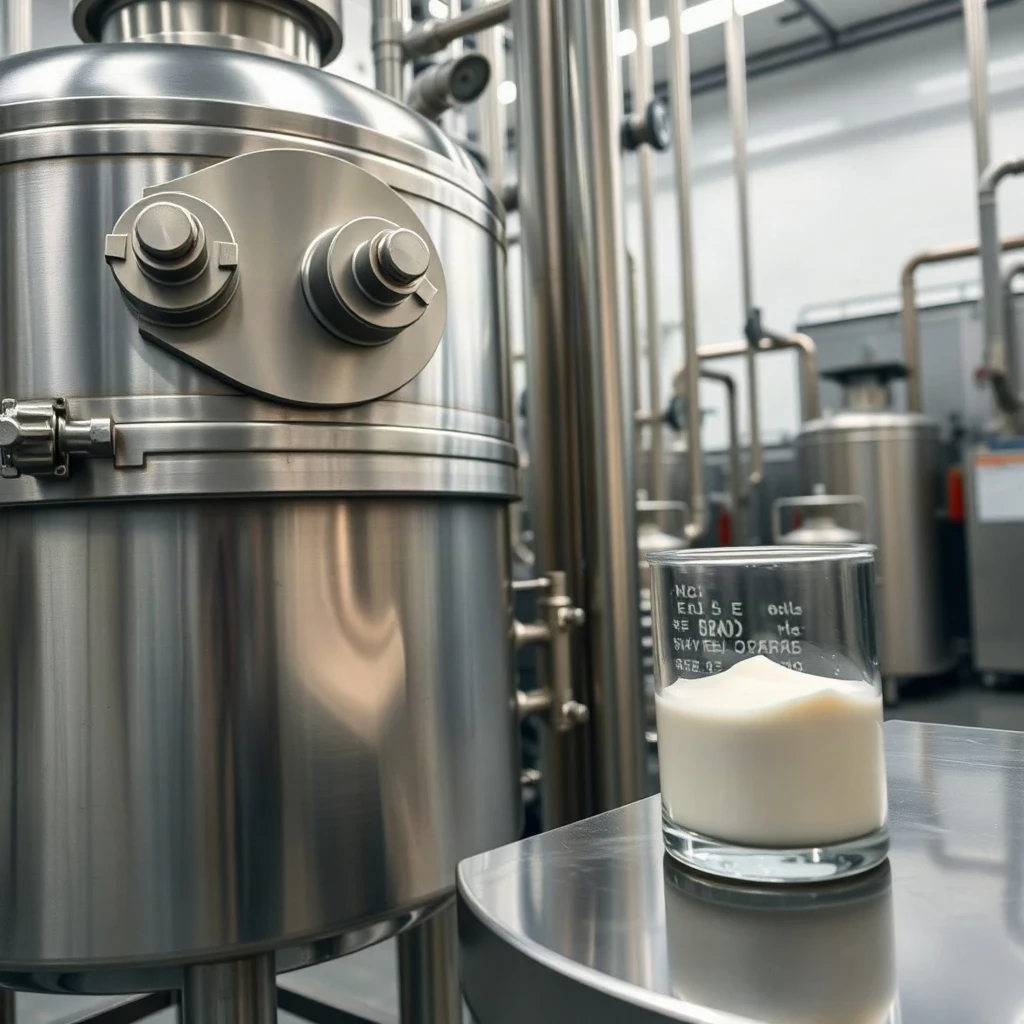
Palm oil is a semi-solid fat at room temperature because it naturally contains a mix of higher-melting triglycerides and lower-melting triglycerides. To make bakery shortenings, refiners first split palm oil into two main fractions: palm stearin (the harder, higher-melting portion) and palm olein (the softer, lower-melting portion). This separation is usually done by controlled cooling and filtration — a physical process known as dry fractionation. No chemical modification is required, which is one reason palm-based shortenings can be produced without partial hydrogenation and the associated trans fats.
Fractionation basics: how stearin and olein are separated
Crude palm oil is refined, bleached, and deodorised, then cooled slowly in a crystalliser. As the oil cools, the higher-melting triglycerides crystallise first. The slurry is passed through a membrane filter press; the solid cake is palm stearin, and the liquid that passes through is palm olein. Additional fractionation rounds can produce harder stearins or super olein with even lower cloud points. The exact melting behaviour depends on cooling rate, agitation, and filtration temperature, so suppliers can tailor fractions to a degree.
Building a bakery shortening: blending for function
A shortening is not a single fraction; it is a blend. A formulator combines palm stearin and palm olein in different ratios — sometimes with palm kernel oil or a small amount of fully hydrogenated palm oil — to hit a target solid fat content (SFC) profile. SFC is the proportion of fat that is solid at a given temperature. It determines:
- Plasticity: the fat must be soft enough to cream with sugar but firm enough to hold air.
- Melting range: a shortening that melts too sharply can make pastries greasy; one that melts too slowly leaves a waxy mouthfeel.
- Crystal habit: palm-based shortenings tend to form beta-prime crystals, which are small and stable, giving smooth texture and good aeration in cakes and icings.
A typical all-purpose bakery shortening might blend roughly equal parts stearin and olein, but the exact ratio shifts with the application. Biscuit and puff-pastry fats use more stearin for laminating strength; cake and icing shortenings use more olein for softer creaming.
What procurement should check
When buying palm-based shortenings, ask the supplier for the solid fat content curve (usually reported at several temperatures from about 10°C to 40°C), the free fatty acid level, peroxide value, and melting point. Also request whether the product is a straight blend or has been interesterified — interesterification rearranges fatty acids to create a smoother melting curve without hydrogenation. Storage matters: palm shortenings should be kept away from heat and temperature swings to avoid crystal changes that make the product grainy or hard.
For a first-time buyer, the key is to match the shortening's functional specification to the bakery process rather than simply choosing the cheapest palm stearin. A well-specified palm fraction blend can replace partially hydrogenated shortenings while delivering consistent creaming, layering, and shelf stability.