Indonesia's push to expand the B50 biodiesel mandate is colliding with El Nino-driven dry weather, tightening feedstock availability and reshaping export levy dynamics. The policy drive, backed by industry bodies and state plantation efforts to lift yields, signals sustained domestic demand for crude palm oil (CPO) at a time when global benchmarks hover near 20-month highs.
B50 Mandate and Domestic Demand
The B50 program, which requires 50% palm oil blending in biodiesel, remains a central pillar of Indonesia's energy policy. Recent campaigns by the Indonesian Biofuel Producers Association (Aprobi) and the Oil Palm Plantation Fund Management Agency (BPDP) aim to educate thousands of Scouts about the mandate, underscoring the government's commitment to socialize the program. State plantation companies are also focusing on higher yields to support feedstock needs, according to state media.
These efforts come as the mandate's implementation is projected to significantly increase domestic CPO consumption. While the exact figures are not specified here, the policy direction is clear: more palm oil will be diverted to fuel, potentially reducing export availability.
El Nino and Supply Concerns
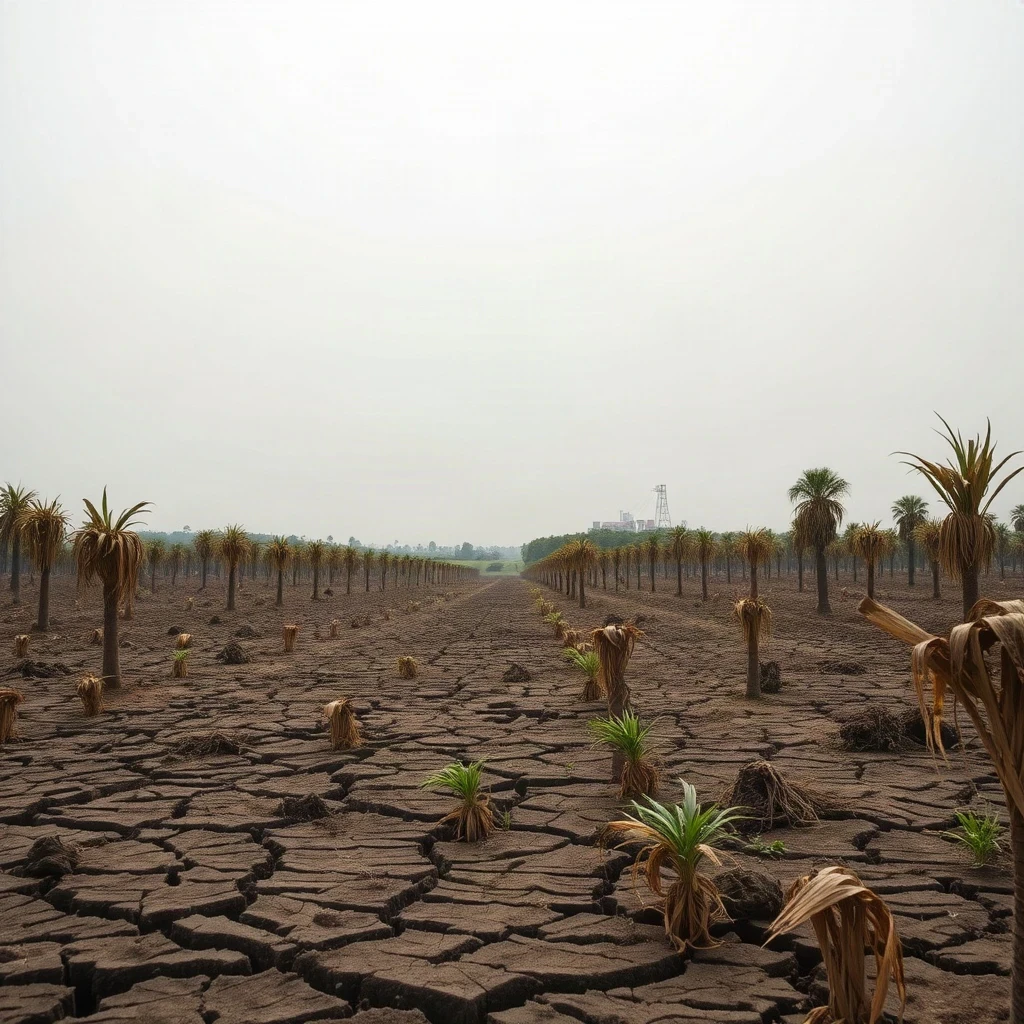
El Nino conditions, with an ONI of +1.4, have brought notably dry weather to Kalimantan, a key production region. This raises concerns about palm fruit yields in the coming months, potentially tightening supply. The market is already reacting: Malaysian CPO futures rose 1.2% to about $1144/MT, while Indonesia's reference price stands at about $997/MT.
Despite a strong July production report from MPOB—showing a 9.4% month-on-month increase in CPO output and a 7.2% rise in stocks—the market's focus is on forward supply risks from El Nino. The potential for reduced yields could offset current ample inventories.
Export Levy and Fiscal Dynamics
The government has raised export levies by 73%, and expects collection to jump about 31% this year, according to reports. This levy is used to fund biodiesel subsidies, but higher rates may discourage exports, especially if global prices soften. The BPDP claims that B50 does not hurt palm oil exports, but analysts note that the levy increase adds to the cost burden for shippers.
With Brent crude steady at $94/bbl, biodiesel blending remains economically viable, but any drop in crude prices could widen the gap between diesel and biodiesel costs, pressuring the levy fund.
Market Outlook and Compliance
Our model outlook suggests modest near-term upside for CPO prices, with a possible technical pullback given overbought conditions. For compliance-minded buyers, the key watchpoints are: the pace of B50 implementation, El Nino's impact on yields, and levy adjustments. Buyers should monitor Indonesian export availability and policy announcements, as these will directly affect supply contracts and pricing.
In summary, the B50 mandate is a structural demand driver, but El Nino and levy hikes introduce supply and cost uncertainties. The market remains sensitive to policy shifts and weather updates.