
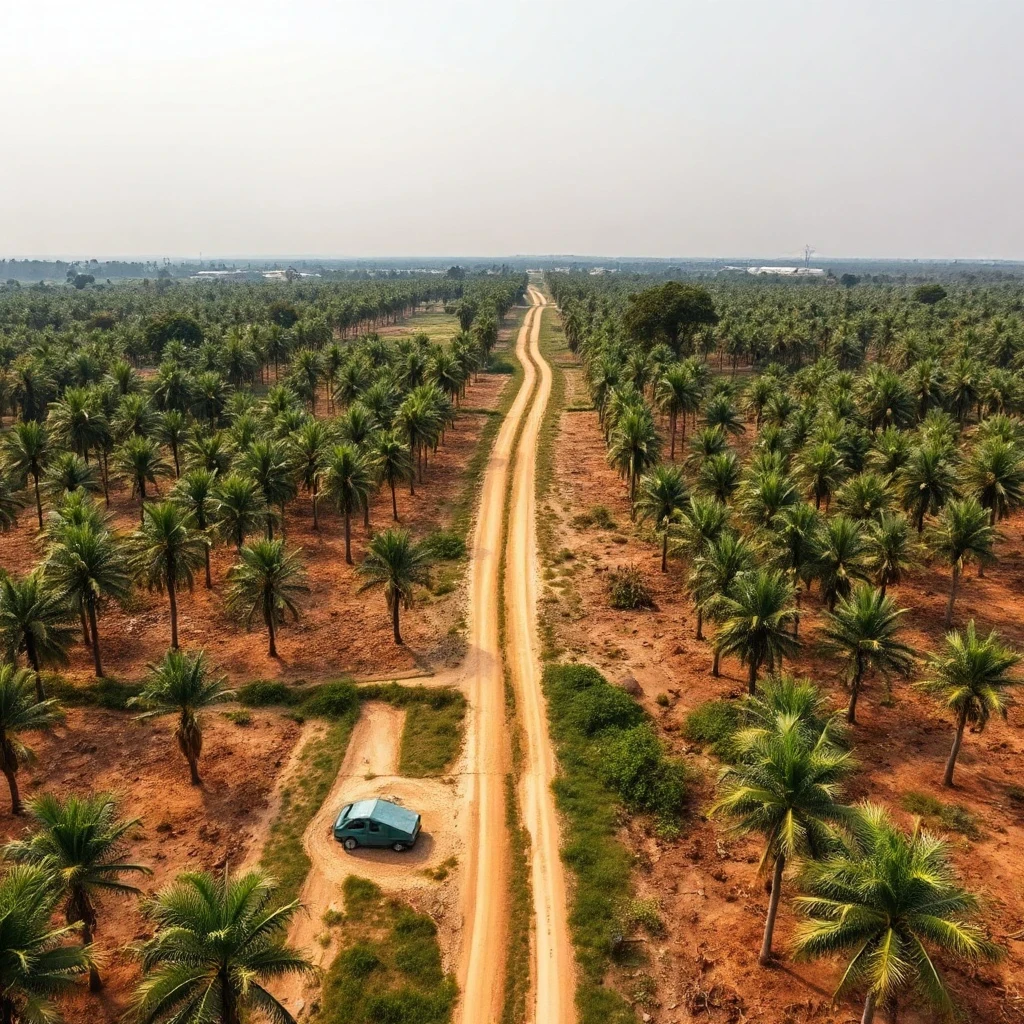
CPO benchmarks steady
Malaysian crude palm oil futures settled the week near $1,101 per metric ton (RM 4,498), down 0.3% from the previous session. The global benchmark, as tracked by the World Bank, stood at about $1,105/MT, while Indonesia's reference price was set near $1,030/MT. Prices have been rangebound, with gains capped by seasonal supply pressure and losses cushioned by weather concerns.
Energy and currency context
Brent crude traded at about $90 per barrel, unchanged on the session, but our model outlook notes a sharp 6.9% slide over the past seven days. That drop undermines biodiesel blending economics, reducing the incentive for palm-oil-based fuel demand. In currencies, the ringgit held at 4.09 per dollar, while the rupiah weakened to 18,069 per dollar, adding pressure on Indonesian exporters' margins but potentially boosting competitiveness.
MPOB June data: output and stocks climb
The Malaysian Palm Oil Board released June figures showing CPO production at 1,638,777 tonnes, up 8.1% from May, reflecting the seasonal peak. Closing stocks rose 3.7% to 1,332,697 tonnes, while exports increased 5.7% to 1,198,567 tonnes. Imports jumped 135.3% to 103,113 tonnes, likely due to arbitrage opportunities. The FFB reference price slipped 1.3% to RM 48.90. The stock build, though modest, aligns with the peak production narrative.
Weather: El Niño dry spell
ENSO conditions are in El Niño territory, with the ONI at +1.0. Notable dryness in Kalimantan, a key Indonesian producing region, raises concerns about future yields. Our model outlook flags this as a supportive factor, though the full impact may take months to materialize.
Our model outlook
Our model outlook sees near-term pressure from the crude slide, peak production, and rupiah weakness, but support from a wide BOPO spread and El Niño dryness. Stale anchoring and mixed demand signals keep confidence low; we expect a mild bearish bias with volatile daily moves.
Week ahead
Market participants will watch for any updates on Indonesian export levies or biodiesel mandates, as well as weekly export data from cargo surveyors. Seasonal patterns suggest continued high output, but weather developments in Kalimantan and crude price direction remain key swing factors. The ringgit's path and any shifts in China or India demand will also be monitored.