
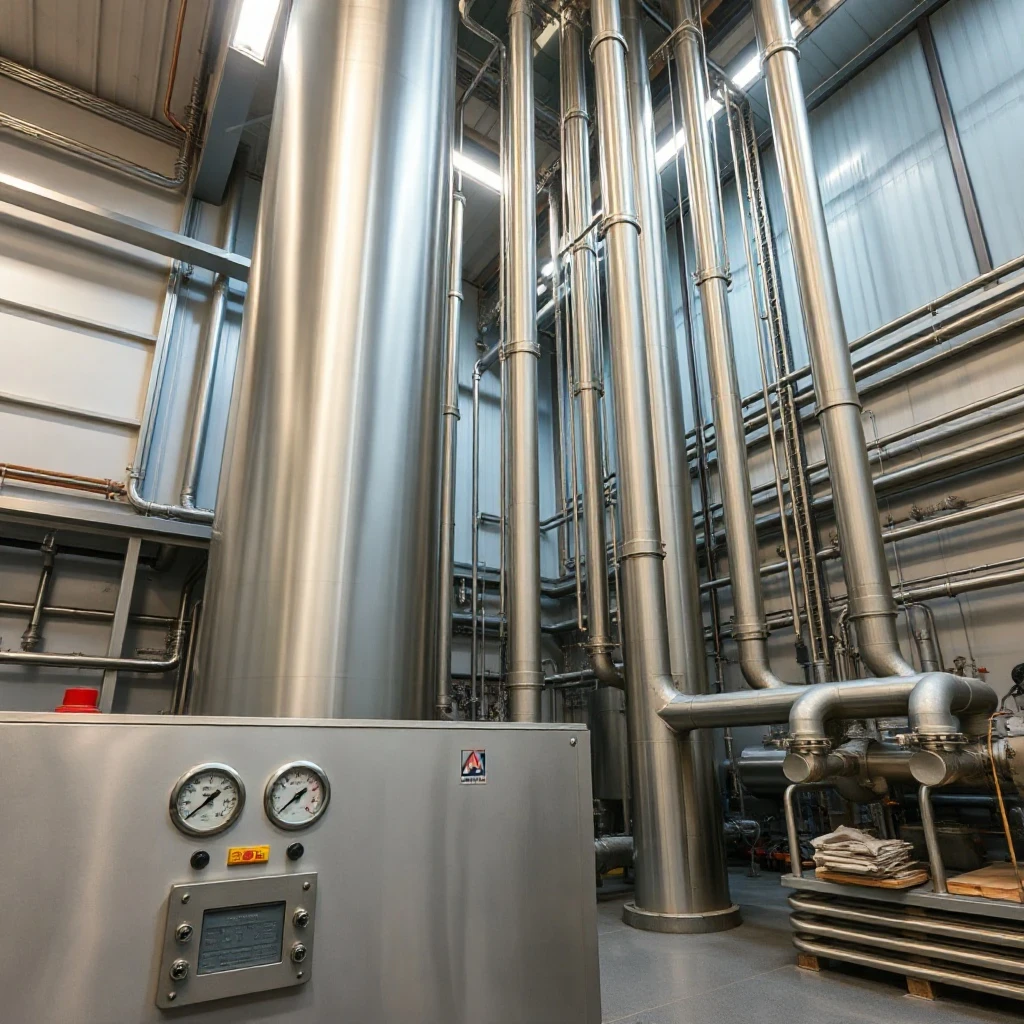
For procurement managers new to oleochemicals, the journey from a palm oil refinery to a fatty acid plant can seem opaque. One of the most common routes is fat splitting, a hydrolysis process that breaks triglycerides into their constituent parts. Understanding this step helps buyers specify products correctly and anticipate quality variations.
What Fat Splitting Does
Palm stearin, the harder fraction of palm oil, is a common feedstock for splitting. The process uses water under high temperature and pressure to cleave the triglyceride molecule. The result is a mixture of free fatty acids and glycerine. No catalyst is required in the classic continuous high-pressure method, though some batch processes use a catalyst.
The output is then separated. The fatty acid layer is further distilled and fractionated to yield specific cuts, such as stearic acid. The glycerine-rich water phase is concentrated and purified to produce crude or refined glycerine.
Key Process Variables
- Temperature and pressure: Continuous splitting typically operates around 250°C and 50 bar. Higher temperatures accelerate the reaction but increase energy costs.
- Water ratio: Excess water drives the reaction toward completion, but too much raises separation and evaporation costs.
- Feedstock quality: The iodine value and free fatty acid content of the palm stearin influence the color and composition of the final fatty acid. Buyers should specify these parameters.
Product Characteristics
Stearic acid from palm stearin is a waxy solid at room temperature. It is used in rubber processing, candles, cosmetics, and as a release agent. The C16/C18 ratio varies with the feedstock and fractionation, affecting melting point and hardness.
Glycerine from splitting is a clear, viscous liquid. It can be sold as crude (about 80% purity) or refined to USP grade. The refining route—distillation, bleaching, deodorization—determines the final quality and price.
Practical Buying Considerations
- Specify the fatty acid profile: For stearic acid, confirm the palmitic/stearic ratio and the iodine value. These affect performance in your application.
- Check glycerine grade: If you need pharmaceutical-grade glycerine, ensure the supplier's refining capacity meets pharmacopoeia standards.
- Understand co-product economics: The value of both fatty acids and glycerine fluctuates. Splitting economics depend on the sum of both products, so a low price for one may be offset by the other.
- Ask about traceability: Some buyers require palm oil from certified sustainable sources. Confirm the supply chain for both stearic acid and glycerine.
Fat splitting is a mature, reliable technology. For buyers, the key is to align specifications with your end-use requirements and to understand how feedstock choices and process conditions shape the final product. With this foundation, you can negotiate more effectively and avoid costly mismatches.
Palm Oil Economics provides independent market intelligence to help buyers navigate these decisions with confidence.