
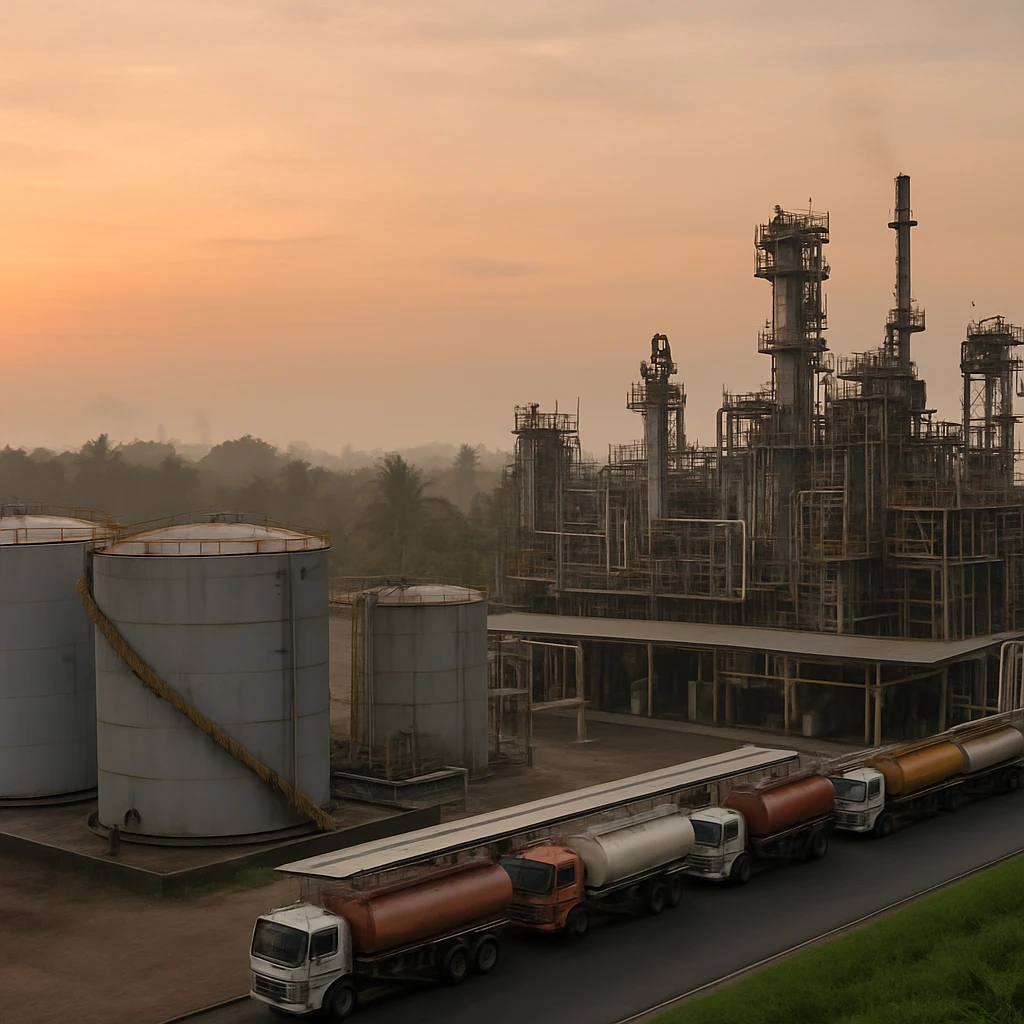
Indonesia has officially rolled out its B50 biodiesel mandate, requiring a 50% palm oil-based biodiesel blend in diesel fuel. The policy, announced in early July 2026, is designed to cut fuel imports and strengthen energy security. Industry sources estimate the mandate could divert up to $2.7 billion worth of palm oil from export markets to domestic biodiesel production.
Supply and Demand Dynamics
The B50 program represents a structural shift in palm oil demand. Domestic biodiesel consumption will absorb a significantly larger share of Indonesia's crude palm oil output, tightening availability for traditional buyers in India, China, the EU and other importing regions. The mandate comes at a time when global supply is already under pressure from El Niño-related weather concerns, which have raised production uncertainty across Southeast Asia.
Analysts have revised palm oil price forecasts upward for 2026-27, citing both the biodiesel demand boost and potential output shortfalls. Higher domestic absorption means less palm oil flows into export channels, potentially supporting benchmark prices in the near to medium term.
Compliance and Buyer Implications
For compliance-minded buyers, the B50 mandate introduces new layers of risk and complexity. Export volumes from Indonesia are likely to shrink, forcing importers to seek alternative origins such as Malaysia or Thailand, or to adjust their vegetable oil procurement strategies. Buyers with sustainability commitments should monitor how the increased domestic biodiesel demand affects land-use and deforestation pressures, as well as the availability of certified sustainable palm oil.
Energy Security vs Trade Revenue
The policy underscores a classic trade-off: Indonesia gains energy independence and supports its domestic palm oil industry, but risks losing export revenue and market share. The $2.7 billion export revenue estimate highlights the scale of potential displacement. Market participants will watch how the government balances these competing priorities, and whether any adjustments to export levies or domestic supply obligations follow.
Palm oil economics now hinges on the interplay between biodiesel blending mandates, weather-driven production risks, and shifting global trade flows. Buyers and traders should factor in tighter supply fundamentals and elevated price volatility as the B50 mandate takes effect.