
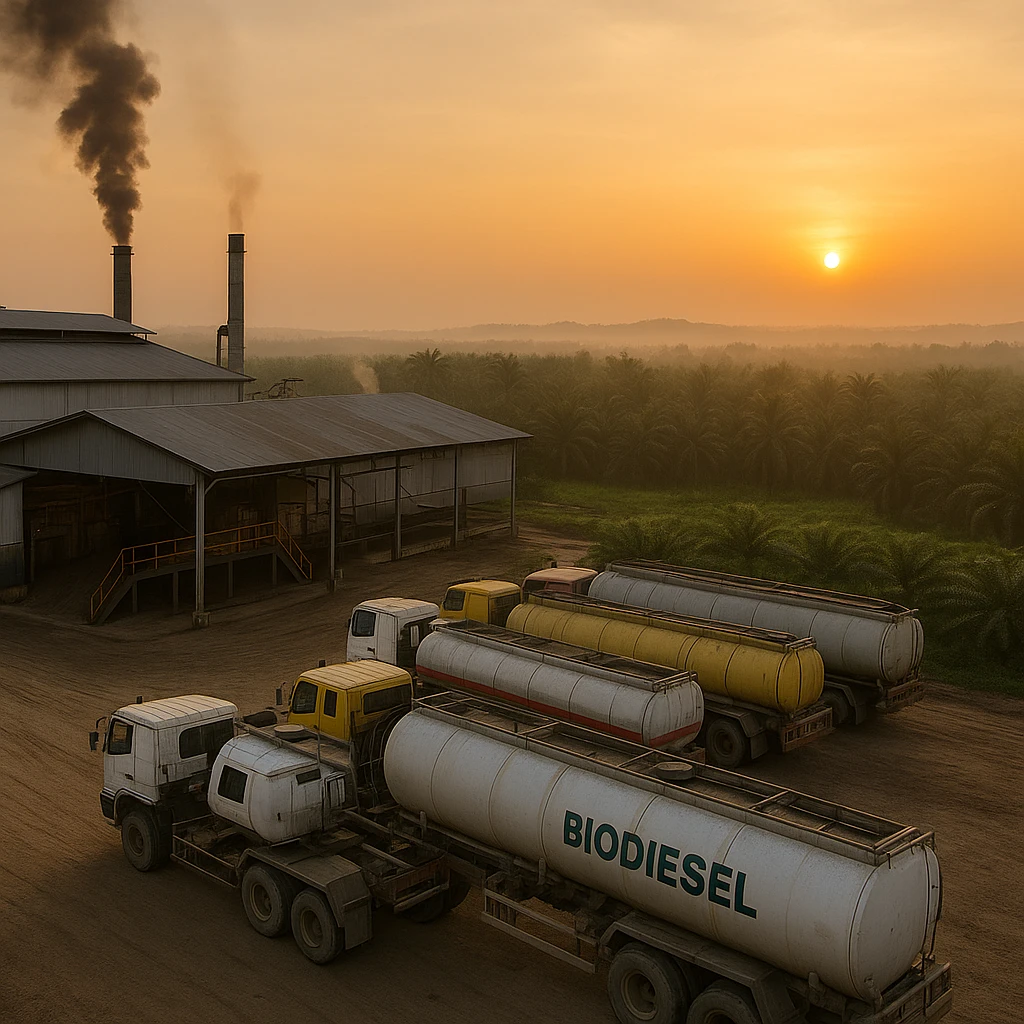
Indonesia’s formal launch of the B50 biodiesel mandate marks a major escalation in the country’s biofuel policy, with immediate implications for global palm oil supply and demand. The 50% palm-oil-based blend requirement, confirmed by multiple reports in early July 2026, is designed to curb fuel imports and strengthen energy security. However, the policy is already creating uncertainty in palm oil markets, as traders assess how much crude palm oil will be diverted from exports to meet domestic biodiesel obligations.
Supply Tightening and Price Support
Industry analysts estimate that the B50 program could reduce palm oil export availability by up to $2.7 billion in value, according to trade projections. This diversion comes at a time when global supply is already under pressure from El Niño-related weather concerns in key growing regions. The combination of rising biodiesel demand and potential production shortfalls has prompted several research houses to raise their price forecasts for 2026 and 2027. Higher crude oil prices have also improved the economic case for biodiesel blending, encouraging broader adoption among Indonesian consumers.
Market Volatility and Compliance Risks
Despite the official launch, market participants remain cautious. Reports indicate ongoing uncertainty over the allocation mechanism for biodiesel volumes, which has contributed to recent price slips in palm oil futures. The policy’s success depends on consistent enforcement and adequate infrastructure, both of which have faced challenges in previous mandate rollouts. A sharp decline in global oil prices, as seen in late June, could undermine the blending economics and test the mandate’s resilience.
Implications for Buyers
For compliance-minded buyers, the B50 mandate signals a structural shift in Indonesia’s palm oil supply chain. Export volumes are likely to tighten further if domestic biodiesel consumption rises as planned. Buyers should monitor allocation quotas and any adjustments to the mandate’s implementation timeline. The interplay between energy policy, weather risks and global crude prices will remain key drivers of palm oil price volatility in the coming months. Market intelligence on Indonesian biodiesel uptake and export clearance rates will be essential for managing procurement risk.