
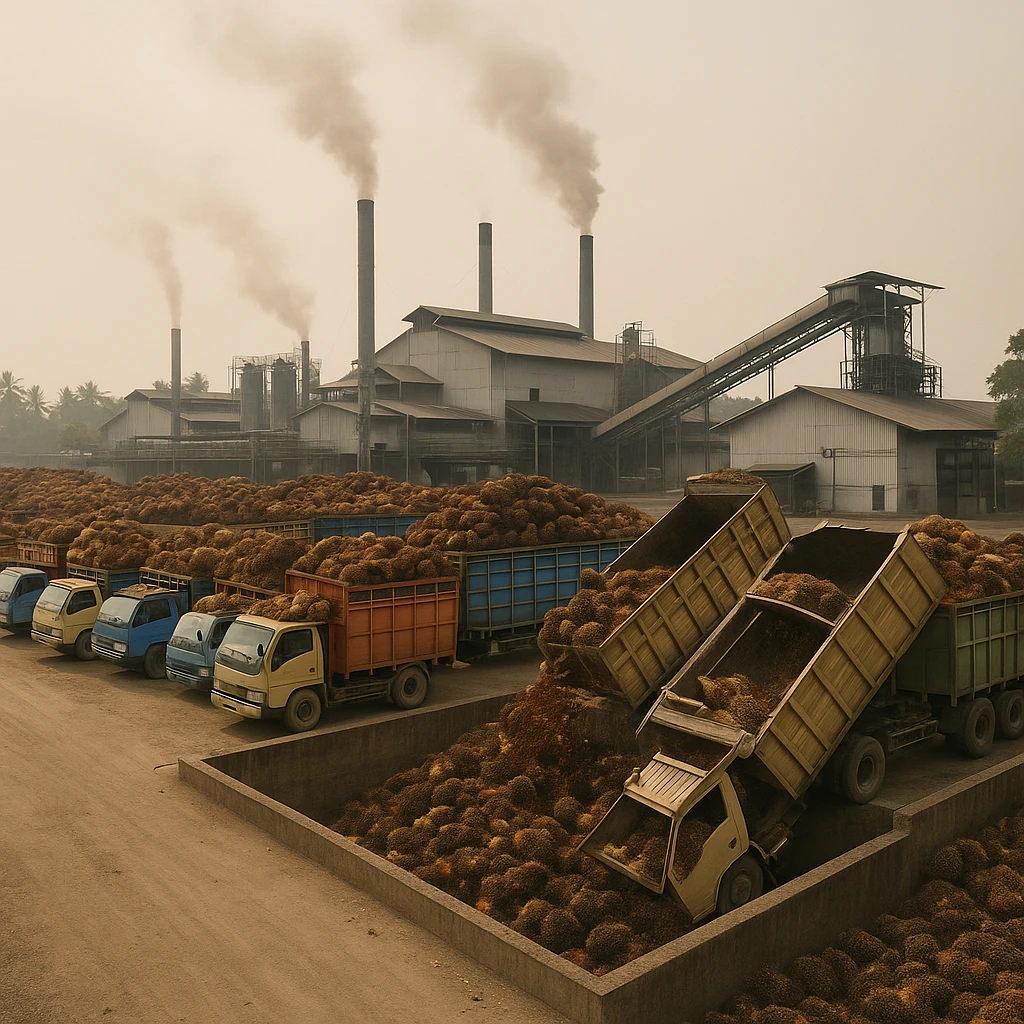
Palm oil futures rallied to a two-week high on Wednesday, buoyed by Indonesia's formal launch of its B50 biodiesel mandate and strength in rival vegetable oils and crude oil.
Indonesia's B50 mandate takes center stage
Indonesia officially rolled out the B50 biodiesel blend on July 9, a policy aimed at curbing fuel imports and bolstering energy security amid rising global oil prices. The mandate mandates a 50% palm oil-based biodiesel blend, which analysts estimate could divert up to 2.7 billion dollars worth of palm oil from export markets annually, according to a Jakarta Globe report.
However, market enthusiasm was tempered by ongoing uncertainty over allocation details. Business Recorder noted that palm futures slipped earlier in the session as traders awaited clarity on how the mandate will be implemented and what volumes will be absorbed domestically.
Supply tightness fears intensify
Beyond biodiesel, supply-side concerns are mounting. El Niño weather patterns are threatening yields in key producing regions, with HLIB raising its price forecasts for 2026-27 on expectations of tighter supply. ChemAnalyst reported that palm oil surged on a combination of El Niño fears and the biodiesel boom.
Thailand has also tightened palm oil export controls, reshaping regional supply dynamics, according to the Indonesia Business Post. Meanwhile, EU imports of Malaysian palm oil rose year-on-year, signaling steady demand from the bloc despite sustainability scrutiny.
Rival oils and crude lend support
Soybean oil hit a three-week high amid US-Iran tensions that lifted crude oil prices and biofuel demand. Reuters noted palm rose over 1% on July 8, supported by strength in rival oils and crude. The positive cross-commodity sentiment has provided a tailwind for palm, which competes for share in the global vegetable oil pool.
Market outlook
Palm oil prices are now trading near the upper end of MPOC's forecast range of RM4,400 to RM4,650 for July, as supply outlook tightens. The combination of Indonesia's B50 mandate, El Niño risks, and export restrictions from Thailand is reshaping the supply-demand balance.
What to watch
Buyers should monitor Indonesia's final allocation rules for B50 and any updates on El Niño's impact on yields. Any clarity on domestic absorption volumes could either ease or amplify export supply fears, directly influencing price direction in the weeks ahead.