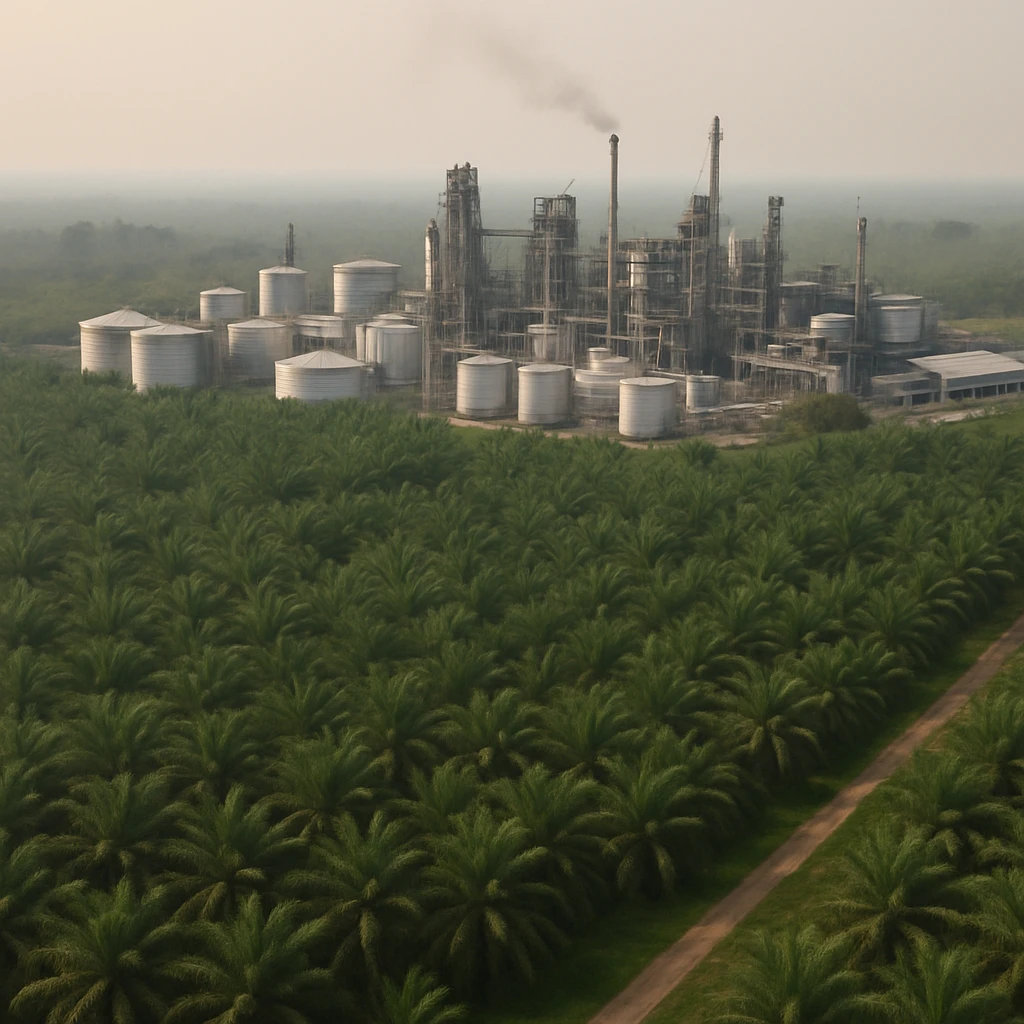
Palm oil futures extended gains on Wednesday, hitting a two-week high as bullish catalysts from Indonesia’s biodiesel mandate and El Niño supply fears outweighed broader vegetable oil market weakness.
Palm Oil Futures Rally on Biofuel Mandate, El Niño Supply Fears
Indonesia’s B50 rollout and tightening supply drive prices higher, but global demand pressures persist.
Sources
- US-Iran Conflict Lifts Soybean Oil to Three-Week High as Biofuel Demand Surges — ChemAnalyst, 2026-07-08
- Indonesia's B50 Biodiesel Program Could Cut Palm Oil Exports by $2.7 Billion — Jakarta Globe, 2026-07-08
- Indonesia’s July B50 Biodiesel Rollout Seen As Key Demand Catalyst For Sector — BusinessToday Malaysia, 2026-07-08
- Palm Oil Surges as El Niño Fears and Biodiesel Boom Tighten Global Supply — ChemAnalyst, 2026-07-08
- HLIB raises palm oil price forecasts for 2026-27 on El Niño, Indonesia biodiesel demand — BioEnergy Times, 2026-07-08
- Vegetable oil prices remain under pressure from lower global demand and increased supply of rapeseed oil — електронна зернова біржа України, 2026-07-08
Need this grade priced or sourced?
Tell us the product and rough volume and we will come back with indicative pricing and supplier options. No account, no obligation — or just email [email protected].