
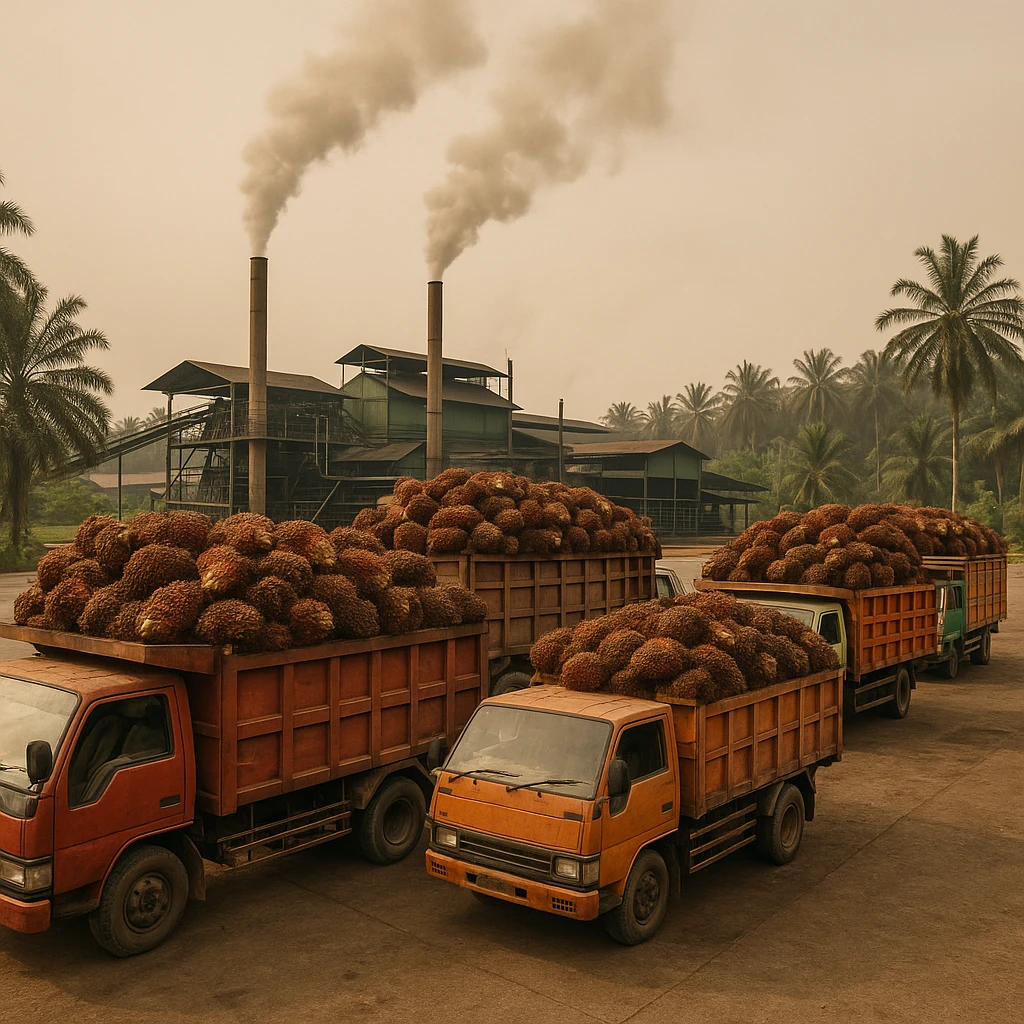
Malaysian palm oil futures bounced back on Wednesday, tracking gains in rival edible oils and crude oil, as a weaker ringgit added support. The rebound follows a volatile week where prices had slipped on profit-taking and softer export data.
Supply Squeeze Takes Centre Stage
El Niño’s lingering impact on Southeast Asian yields continues to dominate the supply narrative. HLIB has lifted its CPO price forecasts, citing the weather anomaly alongside Indonesia’s aggressive biodiesel push. Malaysia’s palm oil output is expected to decline in the 2026-27 season, tightening global availability just as demand from the fuel sector accelerates.
Industry body MPOC projects CPO prices will trade between MYR 4,400 and MYR 4,650 per tonne in July, reflecting the increasingly constrained supply picture.
Biofuel Boom Strains Feedstock
Indonesia’s rollout of the B50 biodiesel mandate—requiring 50% palm oil-based fuel—is reshaping demand dynamics. While the policy supports energy self-sufficiency, analysts warn it risks straining food supplies and public finances. The mandate comes at a time when global crude oil prices have tumbled, raising questions about the economic viability of blending targets.
EU imports of Malaysian palm oil have risen year-on-year, signalling steady demand from the bloc despite ongoing deforestation regulations. In Asia, India’s market remains firm even as CPO export prices soften, with the country’s recent edible oil trade deal with China expected to boost soybean oil flows, potentially easing some pressure on palm oil.
Market Outlook
With supply tightening and biofuel mandates locking in structural demand, palm oil prices are likely to remain supported near current levels. The key variable is crude oil: a sustained drop could undermine Indonesia’s B50 economics and shift the demand balance. Buyers should monitor biodiesel policy implementation and weather updates in Malaysia and Indonesia for signs of further supply disruption.