
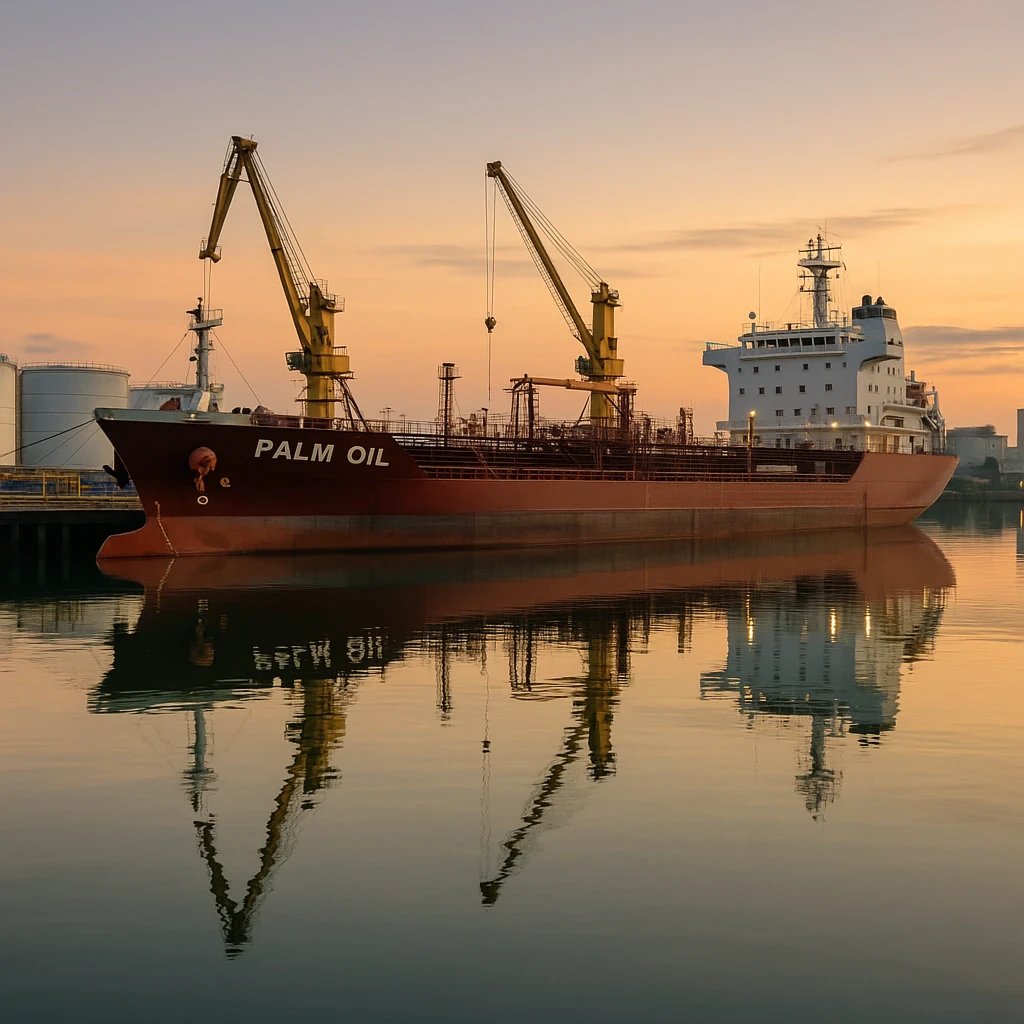
Indonesia, Malaysia and Thailand have all raised their biodiesel mandates for 2026, a policy shift that is set to deepen domestic palm oil consumption across Southeast Asia and potentially tighten export availability. The move, which includes Indonesia's planned B50 rollout, signals a structural increase in demand for palm oil as fuel feedstock, a development that could support benchmark prices over the medium term.
For traders and buyers, the immediate implication is a smaller pool of palm oil available for export, as more of the region's output is diverted to biodiesel blending. This comes at a time when global markets are already watching supply dynamics closely, with Malaysian crude palm oil (CPO) benchmark trading at about $1106 per metric ton (RM 4520/MT), up a marginal 0.1% from the previous session.
The mandate hikes are not isolated. According to industry reports, all three major producers are moving in tandem, a coordinated push that underscores the region's commitment to energy security and lower emissions. Indonesia's B50 program, which would require a 50% palm oil blend in biodiesel, is the most ambitious, and its phased implementation is expected to absorb significant volumes of domestic crude palm oil.
Market Context
This policy development arrives against a backdrop of mixed fundamentals. Malaysia's July 2026 data from the Malaysian Palm Oil Board (MPOB) showed a 9.4% month-on-month rise in CPO production to 1,792,979 tons, while closing stocks climbed 7.2% to 1,429,316 tons. Exports, however, jumped 14.5% to 1,392,178 tons, suggesting robust overseas demand despite the stock build.
Our model outlook indicates that CPO is consolidating near current levels after a flat week, with low realized volatility and a neutral RSI. The bullish technical crossover and wide BOPO support are offset by bearish signals from the MPOB stock build and peak seasonal output. The next seven sessions are likely to be mean-reverting with a slight upward drift, with key risks including Indonesia's policy execution, crude oil price swings, and speculative long liquidation.
Biodiesel and Crude Prices
Brent crude's recent strength, up 1.6% to about $88 per barrel, also plays into the biodiesel calculus. Higher crude prices make palm oil-based biodiesel more competitive, reinforcing the economic case for higher mandates. With Indonesia's reference price at about $1030 per metric ton and the global benchmark at $1101, the region's policy choices are becoming a central driver for palm oil pricing.
For now, the market is absorbing the news with relative calm, but the long-term demand signal is clear: Southeast Asia's biodiesel push is set to be a persistent factor in palm oil supply-demand balances, potentially tightening export availability and underpinning prices in the months ahead.