Origins in West Africa
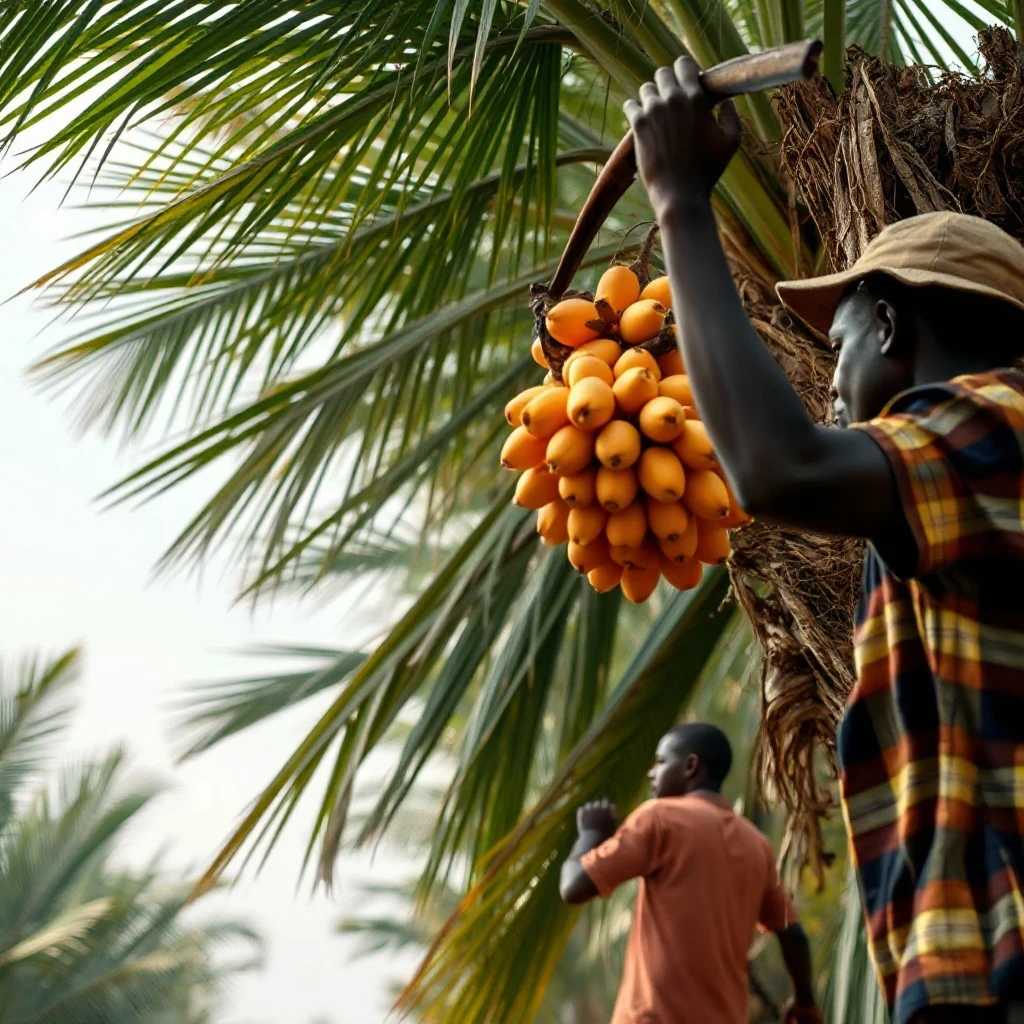
Oil palm (Elaeis guineensis) is native to the tropical forests of West Africa, where it has been used for millennia. Archaeological evidence suggests palm oil was part of local diets and trade as far back as 5,000 years ago. Early uses were practical: cooking oil, soap-making, and a source of illumination. The fruit's high oil content and natural preservative qualities made it a valuable commodity in pre-colonial African economies.
The Atlantic Trade Era
European traders encountered palm oil along the West African coast in the 15th century. By the 18th and 19th centuries, it became a significant export to Europe, primarily for industrial uses such as lubricants and candle-making. The trade was centered on coastal ports, where local producers supplied processed oil to European merchants. This period established the basic supply chain of palm oil as a bulk commodity moving from producer regions to industrial consumers.
Colonial Plantation Expansion
In the early 20th century, colonial powers introduced oil palm to Southeast Asia, notably Malaysia and Indonesia. The crop thrived in the equatorial climate and was organized into large-scale plantations, a departure from the smallholder model in Africa. Plantation systems allowed for standardized harvesting, milling, and quality control, which reduced costs and increased output. This shift laid the groundwork for Southeast Asia to become the dominant production region.
Modern Processing and Products
Today's palm oil supply chain is highly mechanized. Fresh fruit bunches are harvested, sterilized, and pressed at mills within hours to prevent free fatty acid buildup. The crude oil is then refined, bleached, and deodorized to produce neutral-tasting oil suitable for food manufacturing. Fractionation separates it into olein (liquid) and stearin (solid) fractions, each with distinct uses. This versatility explains why palm oil appears in packaged foods, personal care products, and industrial applications.
What Buyers Should Know
For procurement managers, understanding the journey matters practically. First, palm oil's long history of trade means mature logistics networks exist, but supply chains vary by origin and mill. Second, quality parameters such as moisture, impurities, and free fatty acids are set at the mill level and affect shelf life. Third, the distinction between crude and refined products changes storage requirements. Finally, sustainability certification schemes have become standard practice in many markets, so verifying chain-of-custody documentation is a routine part of due diligence.
A Global Commodity Today
Palm oil now accounts for a major share of global vegetable oil production, with Indonesia and Malaysia supplying the bulk of exports. West Africa remains a producer but on a smaller scale. The crop's high yield per hectare, relative to other oilseeds, keeps it cost-competitive. For first-time buyers, the key takeaway is that palm oil is a mature, standardized commodity, but each step of its journey—from fruit to fractionated product—affects price, quality, and end-use performance.