
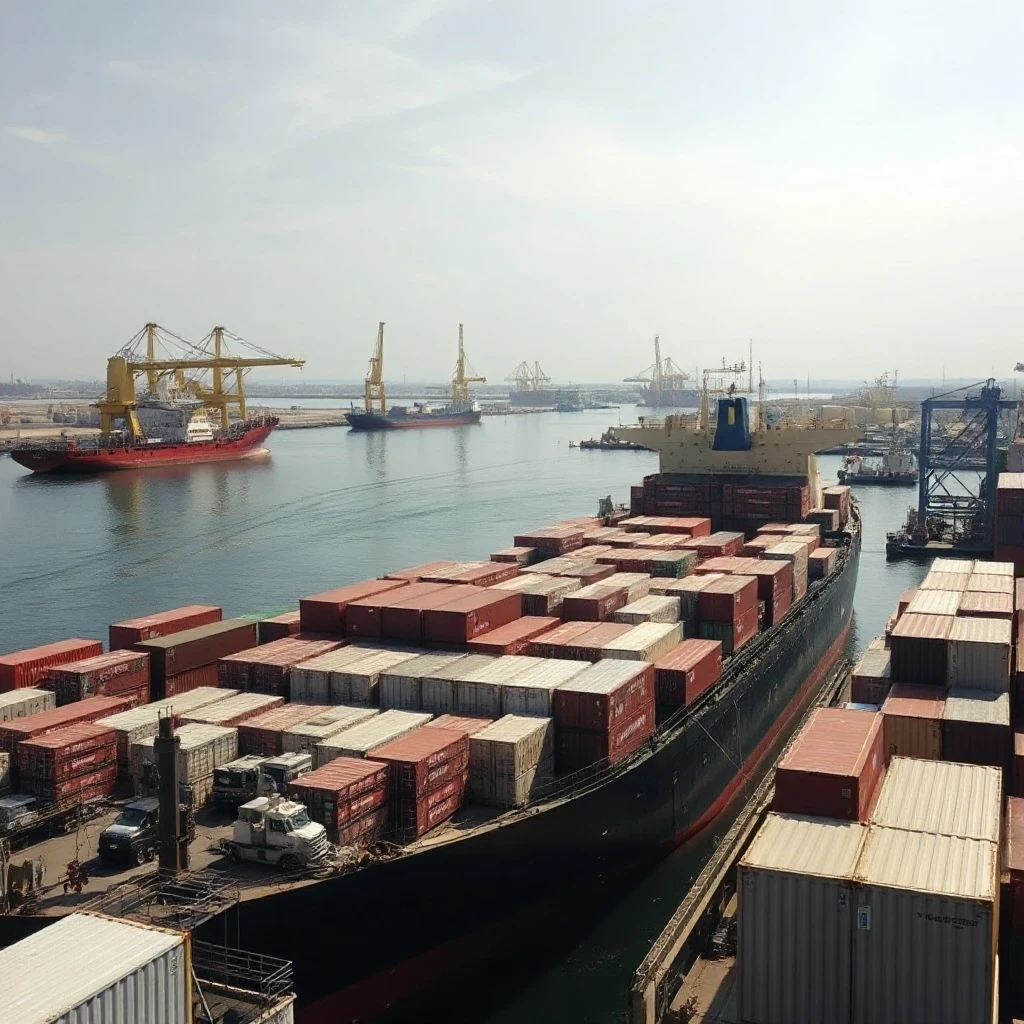
For buyers of palm oil, the policy environment in producing countries is as influential as global supply and demand. In West Africa, and particularly Nigeria, government measures to boost domestic production and conserve foreign exchange have a direct and often underestimated impact on the cost of palm oil delivered to your port.
This explainer breaks down the mechanics of these policies, how they interact, and what to watch as you plan your procurement strategy.
Import Restrictions: The First Layer
Nigeria, like several West African nations, has long pursued a policy of import substitution for agricultural commodities, including palm oil. The primary tool is a combination of tariffs and non-tariff barriers.
- Tariffs: A high import duty is applied to crude and refined palm oil. This is not a flat rate; it is structured as a percentage of the cost, insurance, and freight (CIF) value, and can be adjusted by the government. The effective rate can be further increased by supplementary levies or surcharges.
- Non-Tariff Barriers: Beyond tariffs, importers often face a range of administrative hurdles. These can include import licenses, product standards, and phytosanitary requirements. Such measures are designed to make importing less attractive and to protect local refiners and growers.
The commercial effect is straightforward: every layer of restriction adds to the landed cost, pushing the final price above the international market benchmark. For a buyer, this means Nigerian palm oil is rarely the cheapest option on a pure price basis, but it is often the only option if you need to source locally to meet contractual or regulatory obligations.
Forex Measures: The Second Layer
A second, and often more volatile, policy lever is foreign exchange (forex) management. Nigeria has, at various times, maintained a managed currency regime, with the central bank controlling access to dollars and other hard currencies.
- The Mechanism: Importers of palm oil (and other goods) must obtain forex through official or parallel channels. The central bank may restrict the availability of official forex for certain imports, effectively forcing importers to the parallel market, where the exchange rate is significantly weaker.
- The Cost Impact: The gap between the official and parallel exchange rates is a hidden tax on imports. Even if the import tariff is moderate, the cost of acquiring dollars at a premium can add a substantial percentage to the landed cost. This is often the single largest variable in the final price.
For a procurement manager, understanding this mechanism is critical. A sudden tightening of forex availability can make an otherwise viable import deal uneconomical overnight, or it can signal a shift in government policy that will affect pricing for months.
The Push to Rebuild Domestic Production
The rationale behind these policies is the long-term goal of self-sufficiency. By making imports expensive and difficult, the government aims to incentivize local production and processing. This has led to significant investment in plantations and mills, but the transition is neither quick nor smooth.
- Supply Response: Domestic production is growing, but it is still far from meeting local demand. This means that even with restrictions, imports remain necessary, and the policy creates a structural premium for local product.
- Price Dynamics: When domestic supply is tight, local prices can spike, and importers face a choice: pay the high landed cost of imports or pay the even higher local market price. This dynamic often results in a price floor that is above international levels.
What Buyers Should Watch
For those sourcing from West Africa, the key is to track policy signals, not just market prices. Here are the indicators that matter:
- Forex Policy Announcements: Any statement from the central bank about exchange rate management, import restrictions, or the availability of official forex is a leading indicator of cost changes.
- Tariff Reviews: Budget announcements or trade policy reviews often signal adjustments to import duties or levies.
- Domestic Production Data: Monthly or quarterly production figures from local mills provide insight into whether the supply gap is widening or narrowing.
- Parallel Market Premium: The spread between official and parallel exchange rates is a real-time barometer of import cost pressure.
In practice, a buyer who monitors these signals can anticipate price movements and adjust sourcing strategies. For example, if forex restrictions are expected to tighten, it may be prudent to lock in longer-term contracts or secure forex early. Conversely, if domestic production is ramping up, the premium for local product may narrow, offering negotiating leverage.
The bottom line: West African palm oil policy is not a static backdrop but a dynamic force that directly shapes your landed cost. By understanding the mechanics of import restrictions and forex measures, you can better navigate the market and protect your supply chain from policy-driven volatility. ---
*This article reflects the position as of 12 August 2026. Duty structures, levies and mandates change often, sometimes at short notice. Please verify the current position, and any changes made after this date, before relying on it.*