
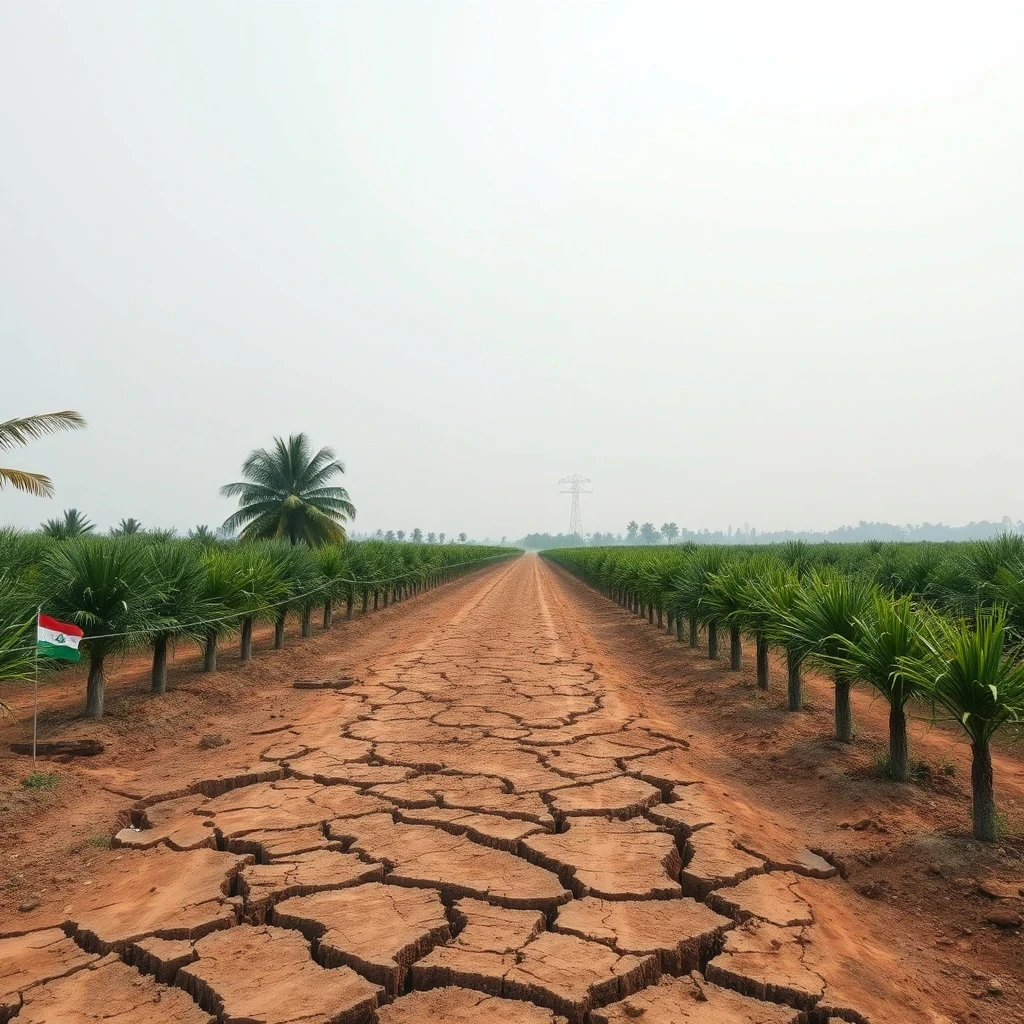
Malaysian crude palm oil futures settled around $1,109 per tonne on August 11, up 0.6% on the session, tracking a firmer Brent crude market. The global benchmark, as measured by the World Bank, stood near $1,101, while Indonesia's reference price was about $1,030. The narrow gap between Malaysian and Indonesian prices reflects ample supply in the region, even as weather risks linger.
Supply and stocks
The Malaysian Palm Oil Board's July data showed production climbing 9.4% month-on-month to 1.79 million tonnes, while closing stocks rose 7.2% to 1.43 million tonnes. Exports jumped 14.5% to 1.39 million tonnes, but imports fell sharply. The production surge is typical for the seasonal peak, and it has kept a lid on price rallies despite firm demand.
Weather remains a wildcard. The El Niño event, with an ONI of +1.4, has brought notably dry conditions to Kalimantan, a key Indonesian growing region. Dry weather can stress trees and trim yields, but the impact is not yet visible in Malaysian output. The market is watching for any signs of a slowdown in Indonesian production, which would tighten global availability.
Competition with soft oils
Palm oil competes directly with soybean, rapeseed, and sunflower oils in both food and industrial uses. The current price structure favors palm: it trades at a discount to most soft oils, making it the cheapest major vegetable oil. That discount has widened in recent weeks as palm supply has grown, while soy and rapeseed markets have been supported by their own weather and demand stories.
Substitution is most active in food manufacturing, where buyers can switch between palm and liquid oils based on price. In biodiesel, the economics depend on the spread between palm oil and diesel. With Brent crude near $88 per barrel, the gasoil-palm spread remains wide, supporting palm-based biodiesel blending, particularly in Indonesia. That demand provides a floor under prices, but it has not been enough to offset the bearish pressure from rising stocks.
What to watch
Our model outlook sees palm trading range-bound with a mild downside bias over the next seven days. Ample stocks and peak production are the main bearish factors, while biodiesel demand and a wide gasoil spread offer support. Heavy Indonesian selling and speculative long liquidation could cap any upside.
For the picture to shift, the market would need a sustained drop in Indonesian output—possibly from the Kalimantan dryness—or a sharp rise in crude oil that makes biodiesel blending even more attractive. A sudden pickup in Chinese or Indian buying would also tighten the balance.
Buyers should monitor weekly export data from Indonesia and Malaysia, weather forecasts for Kalimantan, and the diesel-palm spread. Any sign of supply tightening or a crude rally could quickly flip the price direction.