
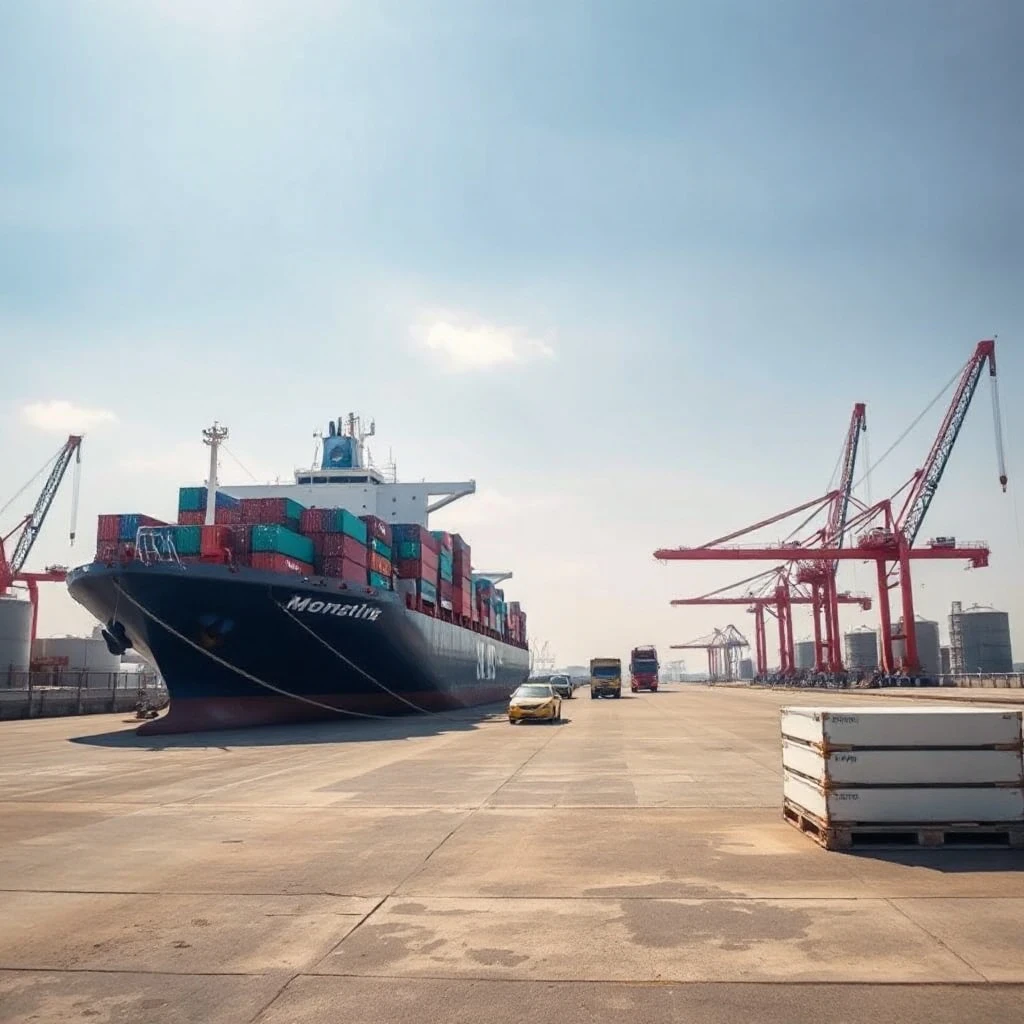
Pakistan is a major buyer of palm oil and other edible oils, yet its import regime is not a simple open market. Three forces dominate how the trade works: a layered duty structure, the state's Trading Corporation of Pakistan (TCP), and the rupee's exchange-rate dynamics. Each affects what an exporter or trader must plan for when selling into the country.
Duty Structure: Layered and Adjustable
Pakistan's tariff system on edible oils is built in tiers. The base customs duty applies to all imports, but on top of that sit regulatory duties, sales tax, and an advance income tax. The government can tweak any of these layers to manage domestic prices, protect local crushers, or raise revenue. For example, a regulatory duty might be raised on crude oil to encourage local refining, or lowered on refined oil to cool consumer prices. These adjustments are frequent and not always announced far in advance, so importers must monitor the Federal Board of Revenue's notifications closely.
A key structural feature is the distinction between crude and refined oils. Crude palm oil typically faces a lower duty than refined, bleached, and deodorized (RBD) oil, creating a tariff escalation that favors domestic refining. This means exporters of crude oil face a different cost hurdle than those shipping RBD. The exact percentages change, but the principle is stable: the more processed the product, the higher the tariff wall.
The Trading Corporation of Pakistan (TCP)
TCP is a state-owned enterprise that occasionally enters the edible oil market as a bulk buyer. Its role is not constant; it steps in when the government wants to stabilize prices, build strategic reserves, or smooth supply disruptions. When TCP issues a tender, it buys large volumes of crude or refined oil from international suppliers, often on a government-to-government basis or through open international bids.
For exporters, TCP tenders are a different channel from private buyers. They come with stricter documentation, often requiring performance bonds, specific shipping windows, and adherence to PSQCA (Pakistan Standards and Quality Control Authority) specifications. Payment terms are typically through letters of credit, but the state's involvement can mean slower processing. Private importers, by contrast, operate on faster commercial timelines but face the same duty structure.
Currency Constraints and Landed Cost
The Pakistani rupee's exchange rate is the wildcard in landed cost. Even if the duty structure is fixed, a sudden depreciation of the rupee raises the local-currency price of every dollar-denominated import. This directly feeds into domestic inflation, which in turn can prompt the government to adjust duties or ask TCP to buy in bulk to soften price spikes.
For importers, this means hedging is not optional. They must lock in exchange rates through forward contracts or keep a buffer in their pricing. The State Bank of Pakistan also enforces foreign-exchange controls that can delay LC approvals, especially during balance-of-payments stress. Exporters should expect that payment timing may be less predictable than in other markets.
Practical Consequence for Exporters and Traders
Understanding this regime matters for three reasons. First, documentation: expect to provide certificates of origin, phytosanitary certificates, and possibly halal certification, and be ready for TCP's stricter tender paperwork. Second, specification: confirm whether the buyer needs crude or RBD, because the duty differential changes your competitiveness. Third, cost: factor in not just the tariff but the currency risk and potential delays in LC settlement. A sale to Pakistan is not just a price negotiation; it is a bet on the rupee and the government's next policy move. ---
*This article reflects the position as of 11 August 2026. Duty structures, levies and mandates change often, sometimes at short notice. Please verify the current position, and any changes made after this date, before relying on it.*