
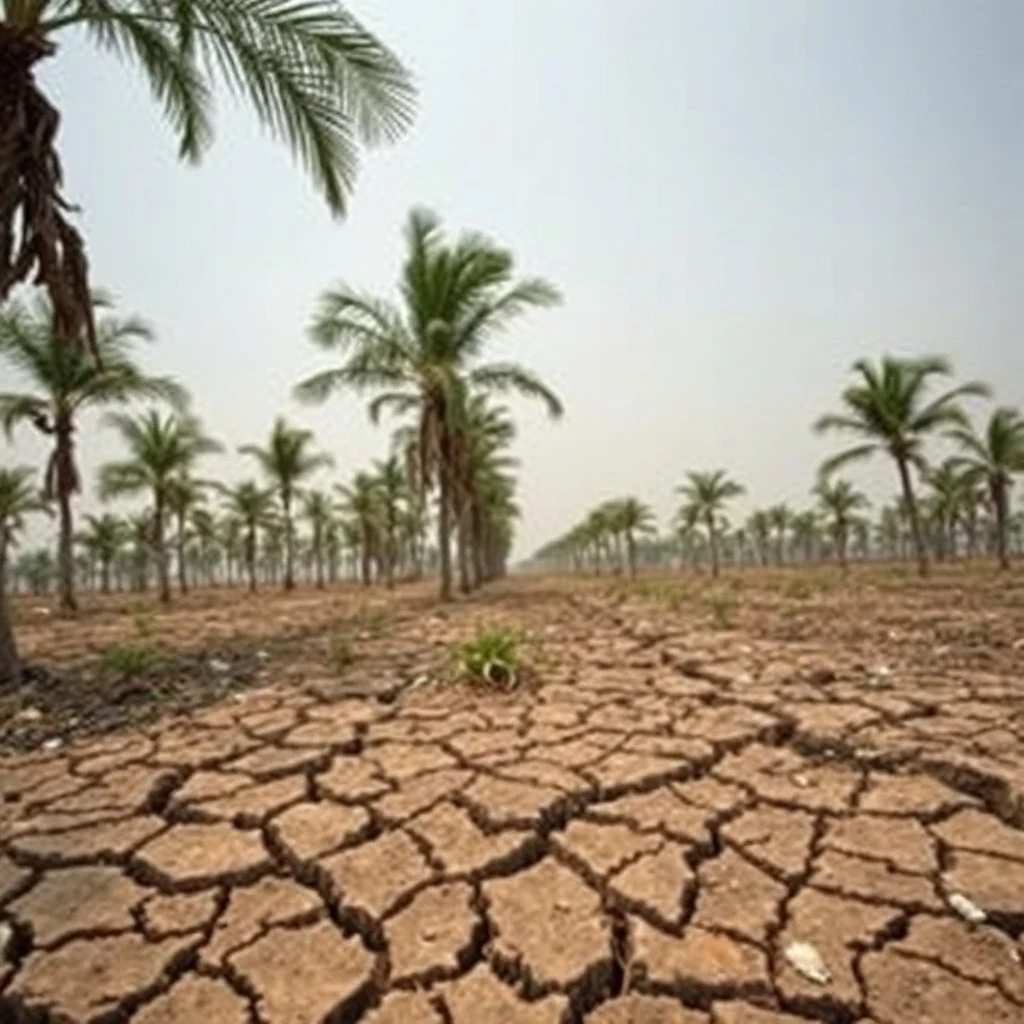
Southeast Asian policymakers are tightening biodiesel mandates through 2026, a move that is reshaping the demand side of the palm oil market. Indonesia, Malaysia and Thailand have all announced higher blending requirements, with Indonesia's state energy firm Pertamina launching nationwide distribution of B50 biodiesel. The policy push comes at a time when palm oil supply is already under pressure from a strengthening El Niño, which has brought dry conditions to key growing regions in Sarawak and Kalimantan.
Demand-Side Pressure
The higher mandates, particularly Indonesia's B50, are expected to absorb a larger share of domestic palm oil supply, reducing the volume available for export. Industry observers note that broad-based edible oil price rises have been linked to biofuel use, with India's central bank citing Indonesia's B50 mandate as a contributing factor. For compliance-minded buyers, this means tighter availability of Indonesian palm oil on the global market and potentially higher premiums for certified sustainable volumes.
Malaysia's higher blend targets add to the regional demand picture, though its export-oriented industry may balance domestic use with overseas sales. Thailand's mandate increase, while smaller in absolute terms, signals a regional trend toward greater palm oil consumption in energy markets.
Supply Constraints
On the supply side, the latest MPOB data for June 2026 shows Malaysian crude palm oil production at 1,638,777 tonnes, up 8.1% month-on-month, while closing stocks rose to 1,332,697 tonnes. Exports increased 7.2% to 1,215,850 tonnes, and imports surged 135.3% to 103,113 tonnes, reflecting the need to supplement domestic supply. However, the El Niño-driven dry weather in key growing areas raises concerns about future production, particularly as the current peak season may be followed by a sharper-than-usual decline in output.
Market Outlook
Our model outlook suggests that the current benchmark price of about $1102 per tonne, which is three days stale, may have already edged up slightly. With anticipation of a bullish MPOB July report and supportive biodiesel-oil price spreads, prices could continue modest gains over the next seven days, potentially rising about 1% from the anchor. However, upside is capped by peak production season, a sharp decline in Brent crude prices, and vulnerability to long liquidation. Low confidence is warranted given missing data and stale prices.
For buyers, the combination of higher biodiesel mandates and weather-related supply risks points to a firmer price environment. Compliance with sustainability criteria may become more important as competition for available volumes intensifies.