India, the world's largest importer of edible oils, has long relied on overseas supplies to meet domestic demand. In recent years, the government has launched a policy push aimed at reducing this dependence: the National Mission on Edible Oils–Oil Palm (NMEO-OP). This mission is not a sudden regulatory change but a long-term structural program designed to boost domestic production, particularly of crude palm oil, through targeted expansion of oil palm cultivation.
How the Mission Works
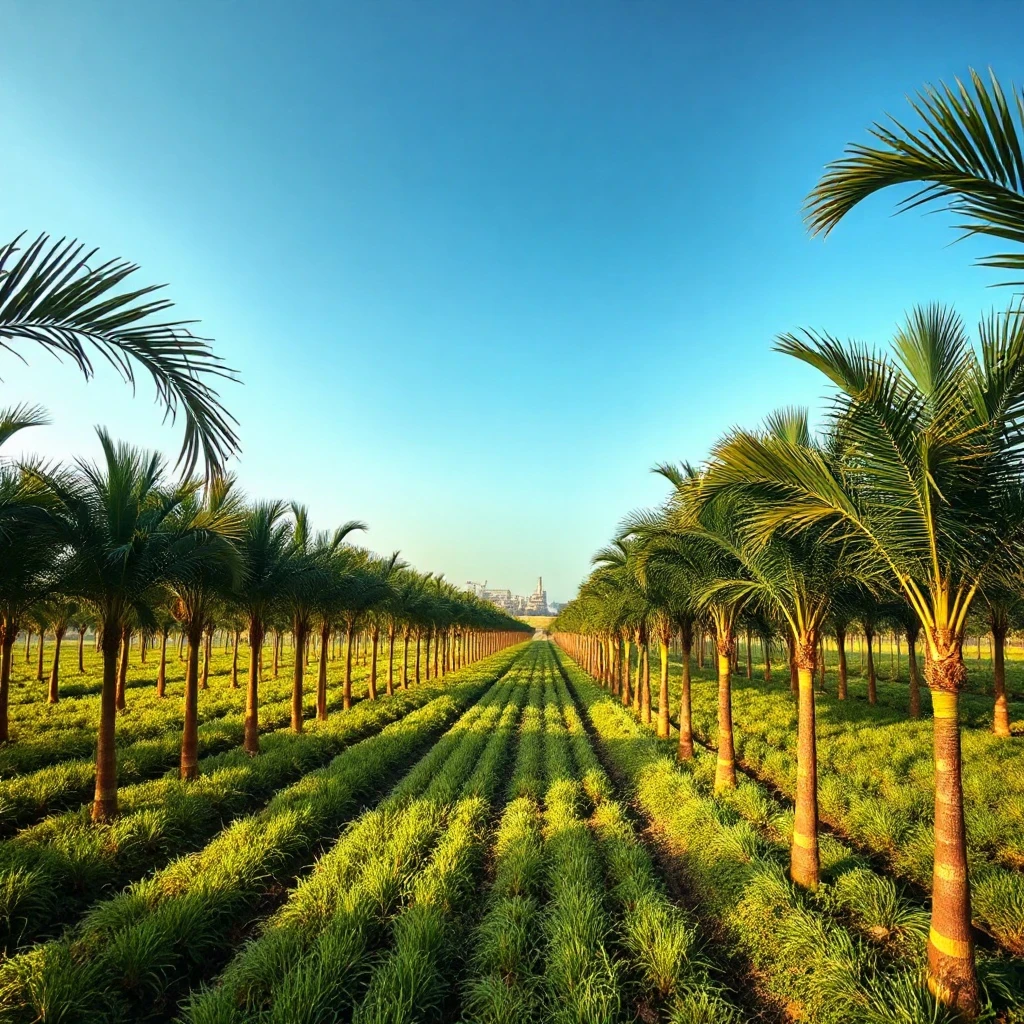
The NMEO-OP is a centrally sponsored scheme that provides financial incentives to farmers and states to increase the area under oil palm. It sets area expansion targets over a multi-year horizon, with a focus on India's northeastern states and the Andaman and Nicobar Islands, where agro-climatic conditions are suitable. The mission also supports nurseries, planting material, and irrigation infrastructure, aiming to make oil palm farming more attractive compared to traditional crops.
Crucially, the mission does not impose import quotas or tariffs directly. Instead, it works on the supply side: by increasing domestic production, it aims to gradually reduce the volume of imports needed. The success of the mission depends on yield improvements and farmer adoption, which in turn hinge on price parity with alternative crops and the availability of processing facilities.
What Success Would Mean for Import Demand
If the mission meets its targets, India's import requirement for crude palm oil—and potentially other edible oils—would decline over time. For exporters, this means a slow but structural shift in demand patterns. A self-sufficient India would import less, but the transition is expected to be gradual, given that oil palm takes several years to mature and current domestic production is a fraction of consumption.
For traders and buyers, the key is to monitor the mission's progress: area under cultivation, yield per hectare, and the pace of new plantings. These indicators, rather than any single policy announcement, will determine how import demand evolves. It's also important to note that the mission targets are illustrative and subject to revision based on actual implementation.
Practical Implications for Trade
For now, the mission does not change the day-to-day rules of importing into India. Documentation, quality specifications, and tariff structures remain as they are. However, over the medium term, a successful mission could lead to lower import volumes, which may affect contract lengths and price negotiations. Exporters should watch for updates on domestic production data and any adjustments to the mission's targets, as these will signal future demand trends.
In the meantime, importers should continue to comply with existing Indian regulations, ensuring that shipments meet the country's quality and labeling standards. The mission is a reminder that India's import policies are not static—they are shaped by long-term domestic goals. Staying informed about these structural shifts is essential for anyone trading in the Indian edible oil market. ---
*This article reflects the position as of 10 August 2026. Duty structures, levies and mandates change often, sometimes at short notice. Please verify the current position, and any changes made after this date, before relying on it.*