
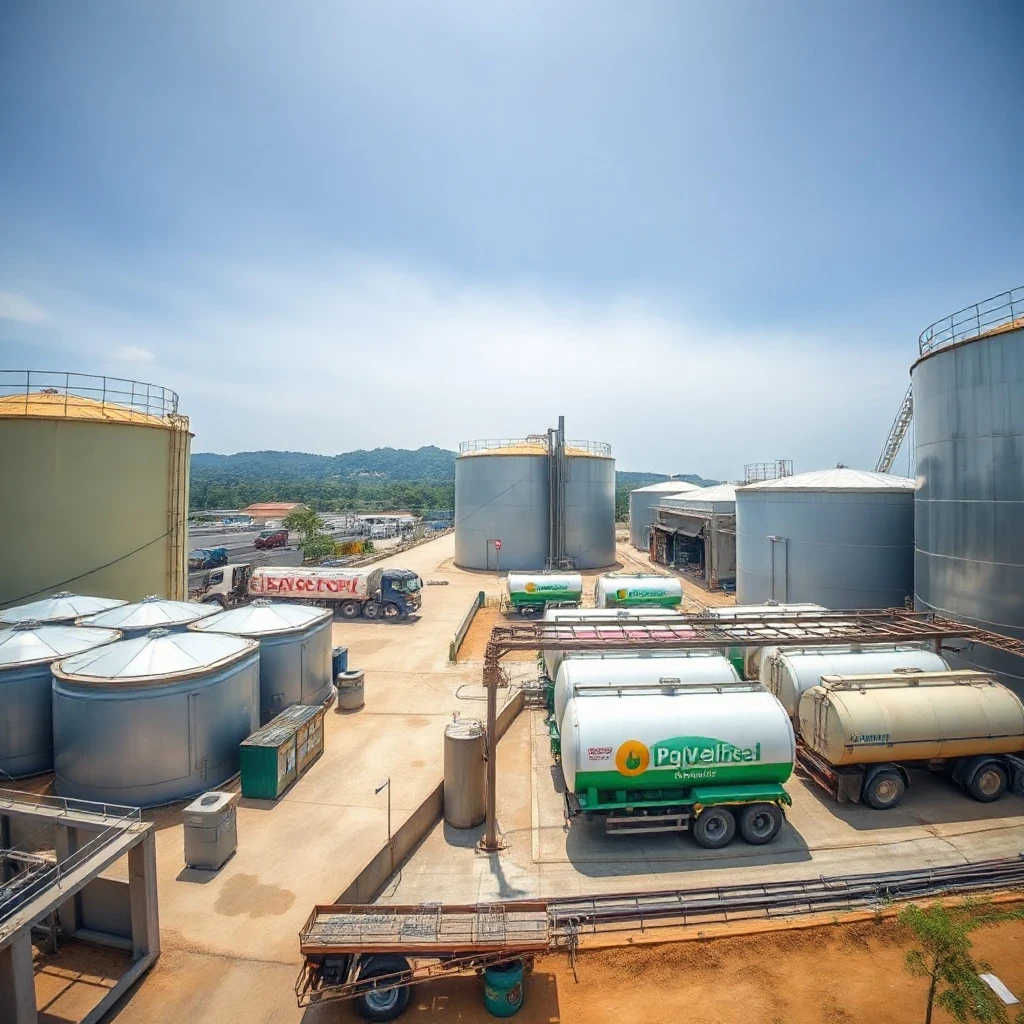
Palm oil policy across Southeast Asia is tightening in 2026, with Indonesia, Malaysia and Thailand all raising their biodiesel mandates. The moves, reported on August 7, are set to increase domestic palm oil consumption in the region, potentially limiting export availability and supporting prices during a period of peak production.
Indonesia has been the most aggressive, with state energy firm Pertamina launching nationwide B50 biodiesel distribution on July 27. The higher blend—50% palm oil-based biodiesel—is expected to absorb a significant portion of the country's palm oil output, reducing the volume available for export. This comes as Indonesia's reference price stands at about $1030/MT, below the global benchmark of $1101/MT, reflecting a policy-driven domestic market.
The ripple effects are being felt in India, the world's largest vegetable oil importer. The Reserve Bank of India has linked the broad-based rise in edible oil prices to biofuel use, specifically citing Indonesia's B50 mandate. This has raised concerns about supply security and price stability in India, which relies heavily on imports to meet domestic demand.
In a related development, Indian industry body IVPA has sought curbs on duty-free edible oil imports from Nepal, which have been growing and are seen as a way to bypass import duties. This adds another layer of complexity for buyers navigating a market already under pressure from higher global prices and tighter supply.
For compliance-minded buyers, the policy shift means several things. First, the higher mandates in producing countries could tighten global supply, especially if El Niño-related dry weather in Kalimantan and Sarawak affects production later in the year. Second, the spread between biodiesel and diesel—currently wide—makes blending economically attractive, but any change in crude oil prices (Brent at about $82/bbl) could alter that calculus. Third, buyers should monitor the MPOB July report, due in about four days, for signs of inventory builds that could ease prices.
Our model outlook suggests CPO prices will drift lower over the next seven trading days, pressured by peak production and a weak energy complex. However, firm Indian demand and the wide BOPO spread provide a floor. The key risk is the MPOB report: a larger-than-expected stock build could trigger selling, while any hint of an early production downturn due to El Niño could spark a rebound.
In this environment, buyers should stay agile, watching both policy announcements and weather patterns, as the interplay between mandates, supply and demand will define price direction in the coming weeks.