
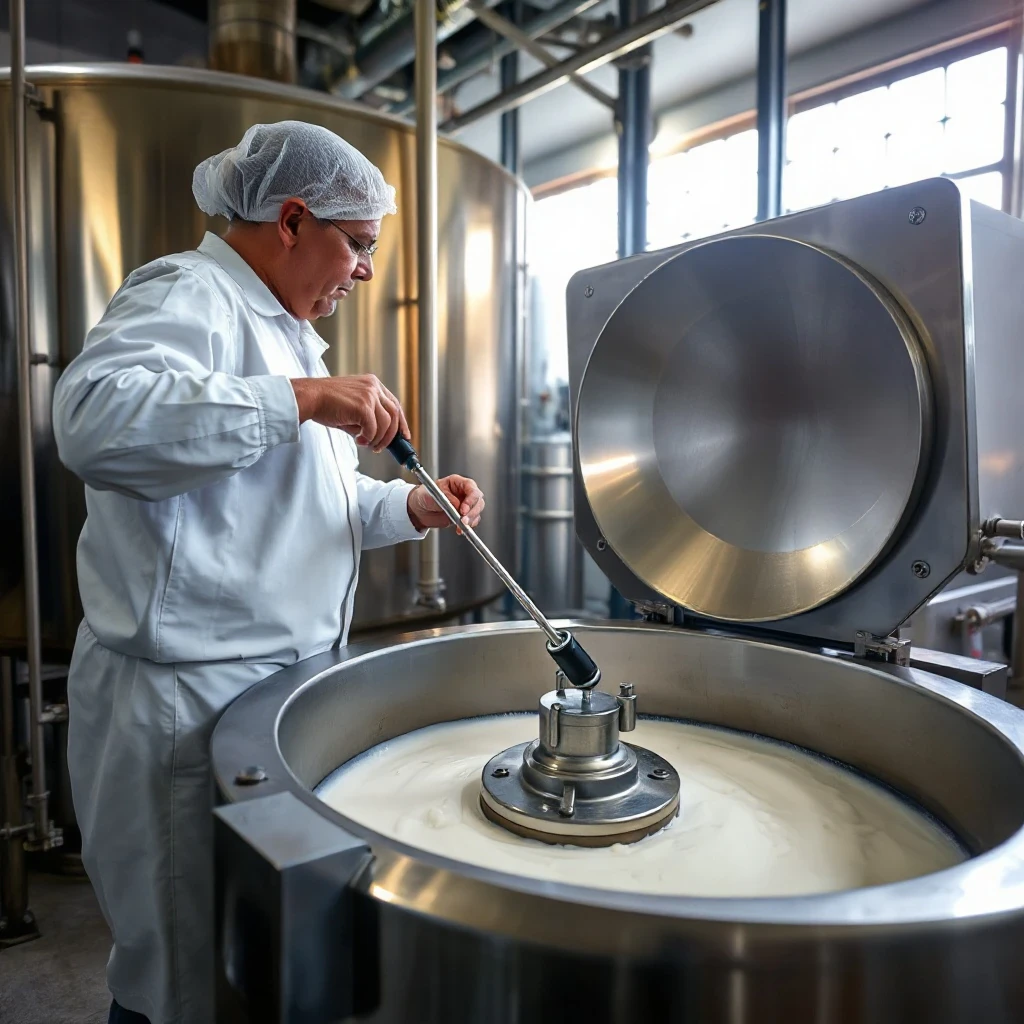
For procurement managers new to palm products, shortenings are among the most common yet least understood purchases. A shortening is simply a solid or semi-solid fat used to give baked goods their tender crumb, flaky texture, and stable structure. Palm oil is a preferred raw material because it is naturally semi-solid at room temperature, requires little modification, and is cost-effective.
The Building Blocks: Palm Fractions
Palm oil is fractionated to separate it into components with different melting points. The two main fractions are:
- Palm stearin – the harder, higher-melting fraction, providing structure and solidity.
- Palm olein – the softer, lower-melting liquid fraction, contributing spreadability and mouthfeel.
By blending these fractions in different ratios, refiners can tailor a shortening to a specific application. A pie crust needs a firm, flaky fat; a cake icing needs a creamy, spreadable one. The blend ratio is the key lever.
The Role of Hydrogenation and Interesterification
Straight palm fractions may not always match the exact performance of traditional hydrogenated fats. Two processes adjust their functionality:
- Hydrogenation – adds hydrogen to unsaturated fats, increasing hardness and oxidative stability. Fully hydrogenated palm produces a very hard fat, often used in small amounts.
- Interesterification – rearranges fatty acids within and between triglycerides, altering melting behavior without creating trans fats. This is now the preferred method for producing trans-fat-free shortenings.
These processes allow producers to create shortenings with a sharp melting profile – solid at room temperature but melting quickly in the mouth, a quality prized in confectionery.
Practical Buying Considerations
When specifying a shortening, focus on these parameters:
- Slip melting point – indicates the temperature at which the fat fully melts; choose based on your ambient conditions and final product.
- Solid fat content (SFC) – measured at different temperatures, this predicts firmness and plasticity. A higher SFC at 20°C means a firmer shortening.
- Iodine value – a measure of unsaturation; higher values indicate softer, more liquid fats.
- Oxidative stability – important for shelf life, especially if the shortening is used in fried goods.
Always request a technical data sheet and a sample for a bench-top test before committing to a full order.
Common Blend Examples
- All-purpose shortening – often a 50/50 blend of palm stearin and palm olein, with a slip point near 40°C.
- Cake shortening – higher in olein for a creamier texture, often with added emulsifiers to improve aeration.
- Puff pastry shortening – higher in stearin for a firm, layered structure that rolls out cleanly.
These are starting points; your supplier can adjust the blend to meet your exact needs.
Final Advice for Buyers
Understand your application, communicate your temperature and texture requirements, and ask for a tailored sample. Palm fractions are versatile, but the right shortening is a precise blend. With a clear specification, you can source a product that performs consistently and economically.