
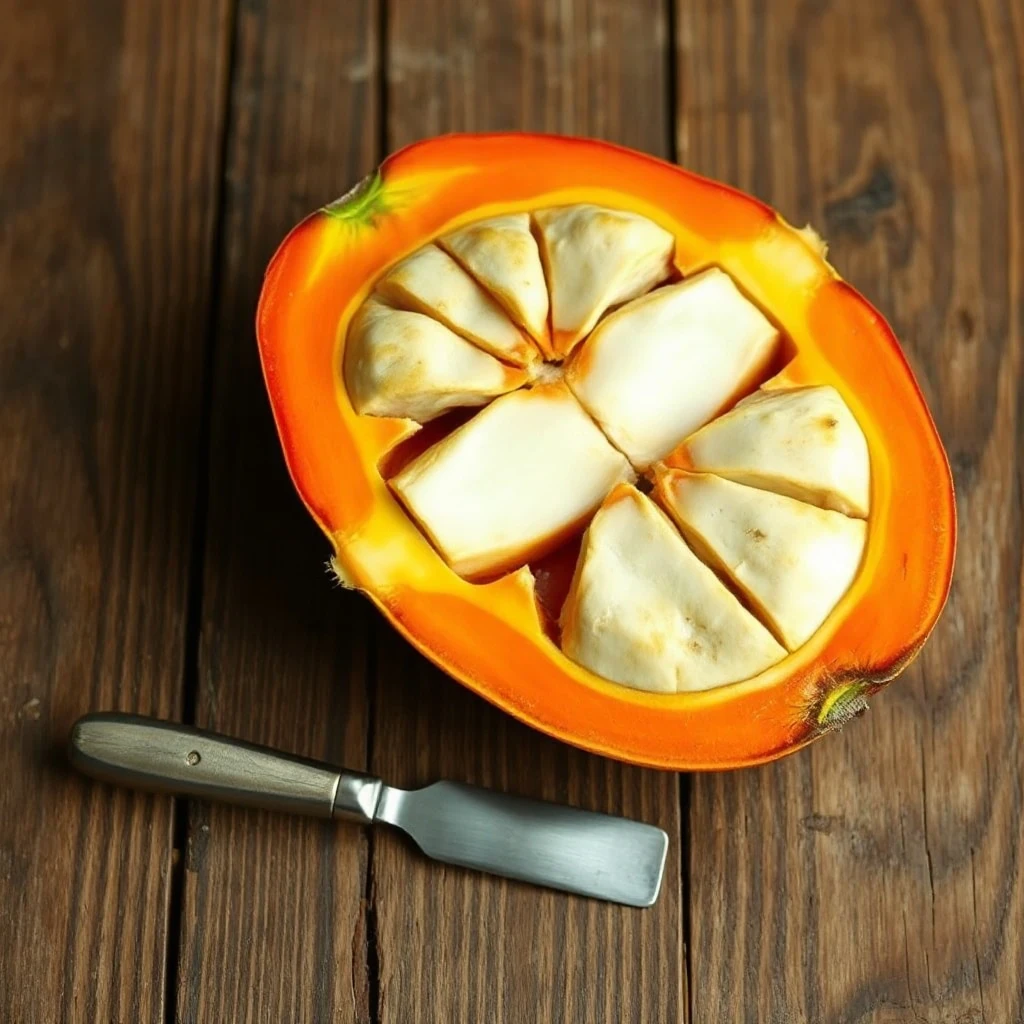
For procurement managers new to the palm sector, one of the first points of confusion is the difference between palm oil and palm kernel oil. Both come from the same fruit of the oil palm, but they are distinct products with different properties, supply chains, and applications. Understanding the split is essential for accurate specification and purchasing.
Origins in the Fruit
The oil palm fruit has two main oil-bearing parts. The fleshy outer layer, or mesocarp, yields crude palm oil. The inner kernel, or seed, yields palm kernel oil. A typical fruit carries far more oil in the flesh than in the kernel, which is why crude palm oil dominates global production volumes. The two oils are extracted separately, often at different stages of the milling and crushing process.
Key Composition Differences
Palm oil is roughly balanced between saturated and unsaturated fatty acids, giving it a semi-solid consistency at room temperature. It is naturally rich in tocotrienols and carotenoids, which give crude palm oil its characteristic reddish-orange color. Palm kernel oil, by contrast, is highly saturated, closer in fatty acid profile to coconut oil. It is harder, whiter, and contains different medium-chain triglycerides, which influence its melting behavior and stability.
Refining and Fractionation
Both oils undergo refining to remove free fatty acids, color, and odors. Palm oil is often fractionated to separate the liquid olein from the solid stearin. This flexibility makes it a workhorse in frying oils, margarines, and shortenings. Palm kernel oil is also fractionated, and its harder stearin fraction is prized for confectionery fats, particularly as a cocoa butter equivalent. The two oils are not interchangeable in most formulations.
Common End-Uses
Palm oil is widely used in cooking oils, processed foods, personal care products, and as a feedstock for biodiesel. Its oxidative stability and neutral flavor suit high-temperature frying. Palm kernel oil, with its quick melting profile and creamy texture, is favored in ice cream, non-dairy creamers, and specialty fats. In soaps and detergents, palm kernel oil contributes the lathering and cleansing properties that palm oil alone cannot provide.
Practical Buying Considerations
Buyers should specify the exact product, grade, and fraction they need, as the two oils are priced and traded separately. Crude palm oil and refined, bleached, and deodorized palm oil follow distinct price benchmarks, as do palm kernel oil and its derivatives. Logistics also differ, as palm kernel oil is often shipped in smaller volumes and may require separate storage tanks to avoid contamination. Always confirm the iodine value, melting point, and free fatty acid content with your supplier to match your application.
For first-time buyers, the key takeaway is simple: one fruit, two oils, two supply chains. Knowing which one you need, and why, prevents costly specification errors and ensures the final product performs as intended.