
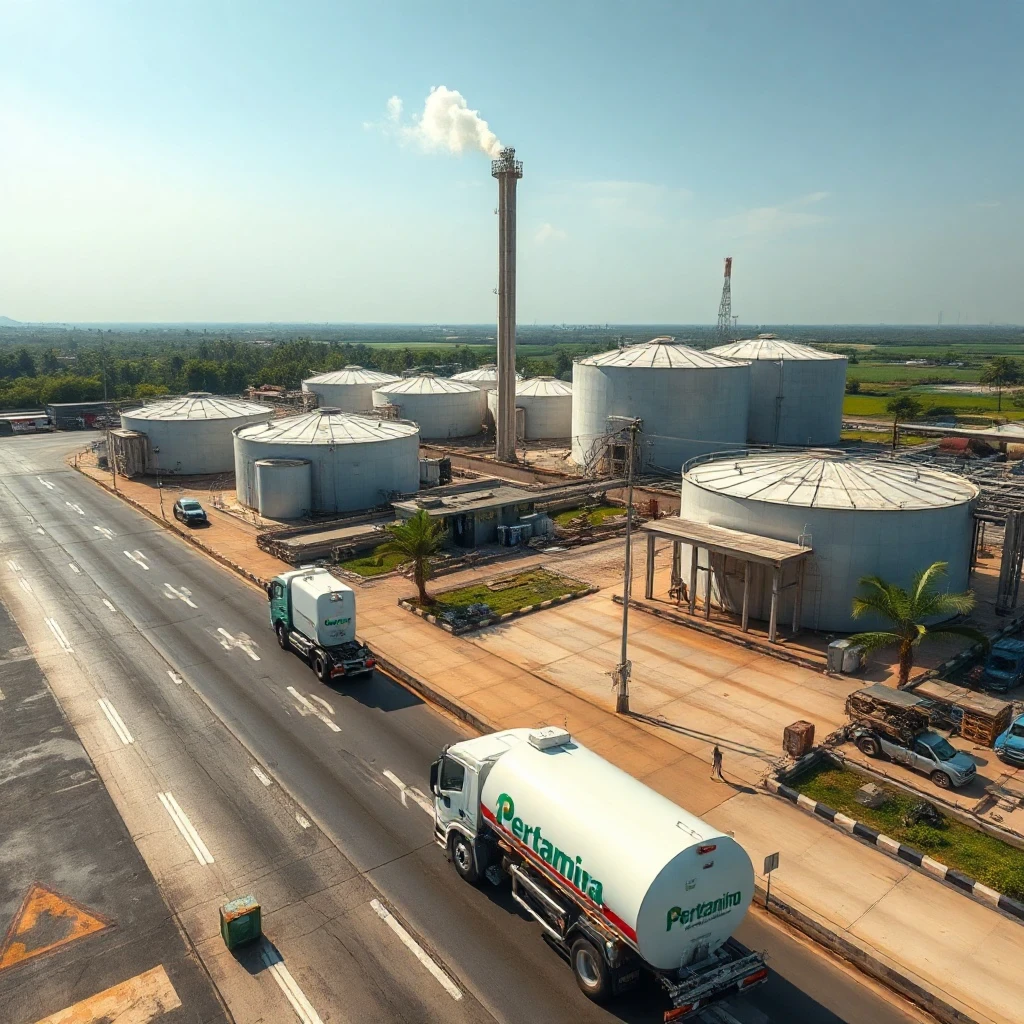
Indonesia's nationwide B50 biodiesel distribution, launched by state energy firm Pertamina in late July, is the most consequential policy shift for palm oil markets this month. The higher blend — up from B35 — will absorb a larger share of domestic crude palm oil output, tightening export availability and supporting benchmark prices. For compliance-minded buyers, the mandate reinforces the need to track Indonesian export permit allocations and domestic market obligations, which may be adjusted to secure feedstock for the expanded program.
India's edible oil trade is also in focus. Domestic producers, via the Indian Vegetable Oil Producers' Association, are pressing for curbs on duty-free imports from Nepal, arguing that the route is being used to bypass tariffs on refined palm oil. A policy response could redirect some Indian import demand toward Malaysia and Indonesia, with near-term implications for regional price spreads. Buyers sourcing into India should monitor any tariff or quota changes closely, as they could alter the competitiveness of refined versus crude palm oil.
Market context
Malaysian crude palm oil futures settled near $1,105 per metric ton on the benchmark Bursa Malaysia exchange, down 0.3% on the day, with the ringgit at 4.09 per dollar. The global benchmark was around $1,101, while Indonesia's reference price stood near $1,030. Brent crude slipped 0.2% to about $83 per barrel, narrowing the energy-value support for biodiesel blending economics.
MPOB data for June showed Malaysian production rising 8.1% month-on-month to 1.64 million tons, with stocks up 3.7% to 1.33 million tons. Exports grew 5.7% to 1.20 million tons, while imports surged 135% to 103,000 tons, reflecting tight domestic supply earlier in the year.
Outlook
Our model outlook sees CPO prices edging lower over the next week, pressured by the crude oil drop, peak-season inventory builds, and a weak rupiah (around 17,913 per dollar) that encourages Indonesian export flows. However, a wide soy-palm spread and lingering El Niño concerns — with dry conditions in Sabah, Sarawak and Kalimantan — should limit downside. The upcoming MPOB July report will be pivotal; a further stock build could extend losses, while any weather-driven production surprise would reverse the trend.
For buyers, the policy landscape is now a two-sided risk: Indonesian biodiesel demand and Indian import restrictions could tighten supply, while ample regional stocks and soft energy prices argue for cautious purchasing. Monitoring both regulatory fronts will be key to navigating the next few weeks.