
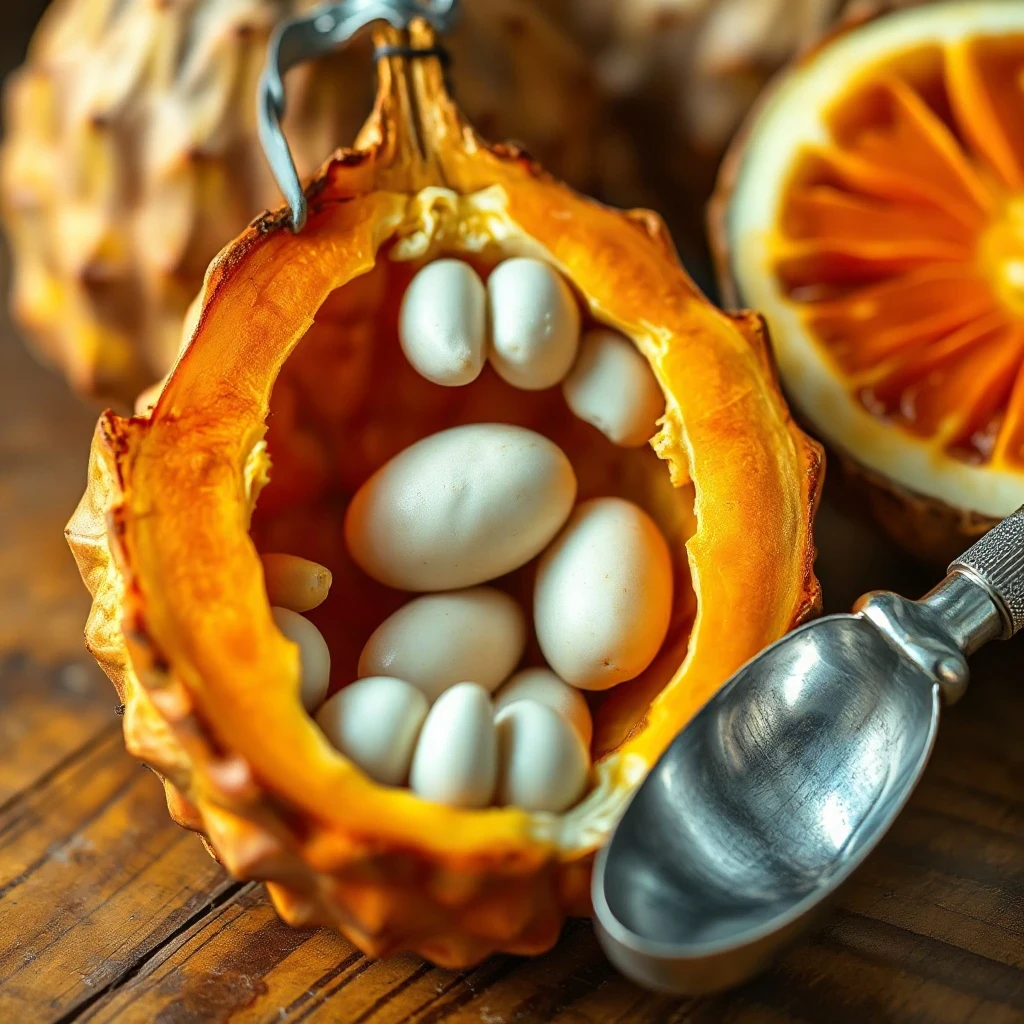
Palm oil and palm kernel oil come from the same fruit but are very different products. Palm oil is pressed from the fleshy mesocarp, while palm kernel oil is extracted from the seed inside the hard shell. Their fatty-acid compositions diverge sharply, and that drives distinct applications, pricing, and supply-chain behavior.
Fatty-acid profiles
Palm oil is roughly balanced between saturated and unsaturated fats. It contains about 40% palmitic acid (a saturated C16), 40% oleic acid (a monounsaturated C18:1), and 10% linoleic acid (a polyunsaturated C18:2). This makes it semi-solid at room temperature and versatile for frying and food manufacturing.
Palm kernel oil, by contrast, is highly saturated—around 80% or more. Its dominant fatty acids are lauric acid (C12:0) at roughly 45–50%, followed by myristic (C14:0) and palmitic (C16:0). This composition places it in the same family as coconut oil, which also has high lauric content.
Why the kernel behaves like a lauric oil
The kernel oil's high lauric acid content gives it a sharp melting profile: it is solid at room temperature but melts quickly near body temperature, producing a cooling sensation. This is a hallmark of lauric oils. It also makes the oil more prone to hydrolysis, releasing free fatty acids and developing soapy flavors when exposed to moisture and heat.
What is well established vs. contested
It is well established that palm kernel oil is a lauric oil, that its fatty-acid profile is distinctly different from palm mesocarp oil, and that this affects physical properties like melting point and oxidative stability. These facts are consistent across the literature.
What is less settled is the nutritional and health impact of the two oils. Some research suggests that lauric acid raises both LDL and HDL cholesterol, but the net cardiovascular effect remains debated. Industry claims that palm kernel oil is "healthier" or "less healthy" than palm oil often outrun the evidence, because the outcomes depend on the whole dietary context and on how the oil is processed.
Another area of evolving evidence is the effect of fractionation and interesterification. Palm kernel stearin and olein have different melting behaviors, and the industry uses these fractions to tailor products. However, the precise functional trade-offs—such as how each fraction performs in specific bakery or confectionery applications—are not always backed by rigorous comparative studies.
Practical implications
For producers, the two oils require different handling. Palm kernel oil's high lauric content means it must be protected from moisture to avoid hydrolysis and off-flavors. Refiners need to adjust deodorization and fractionation parameters accordingly.
For buyers, the choice between palm oil and palm kernel oil is not interchangeable. Palm oil suits frying and general food use, while palm kernel oil is preferred for confectionery fillings, non-dairy creamers, and personal-care products where a sharp melt and creamy texture are desired. Price signals often reflect this: kernel oil typically trades at a premium due to its more specialized uses.
Given the contested health evidence, buyers should be cautious about marketing claims. The functional properties are clear, but nutritional messaging should be based on more than a single fatty-acid profile. For now, the practical rule is simple: palm oil for bulk stability, palm kernel oil for lauric performance. ---
*This article reflects the position as of 4 August 2026. Research moves on, and later work may revise or supersede what is described here. Please verify the current position, and any changes made after this date, before relying on it.*